Kennedy legacy of peace reshaped US foreign policy
June 08, 2024 | Robert F. Kennedy Jr., Presidential Candidates 2024
This article was created by AI summarizing key points discussed. AI makes mistakes, so for full details and context, please refer to the video of the full meeting. Please report any errors so we can fix them. Report an error »
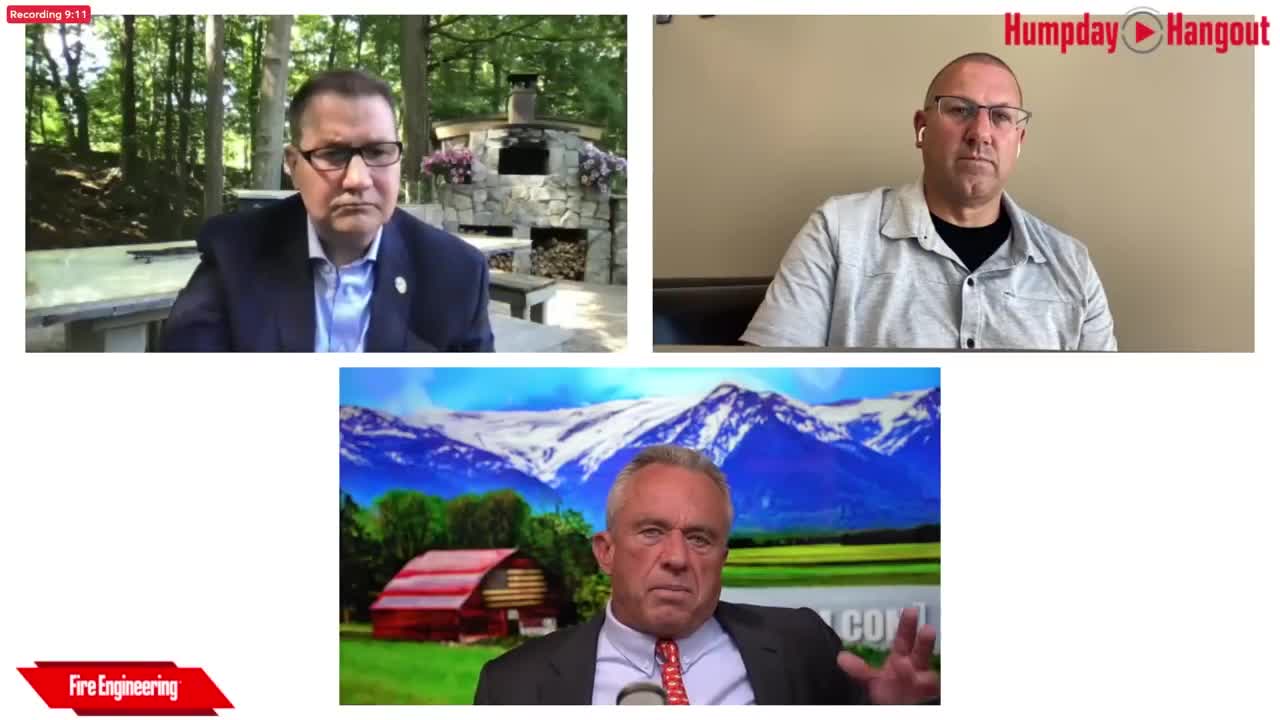
In a recent government meeting, discussions centered around the legacy of former President John F. Kennedy and his approach to foreign policy, particularly his commitment to avoiding military conflict. A speaker emphasized that Kennedy's primary goal was to maintain peace, recalling his famous assertion that the president's main job is to keep the country out of war.
The speaker highlighted several key moments from Kennedy's presidency, including his decisions to refrain from military intervention in Laos, Cuba, and Berlin during critical crises in the early 1960s. Notably, Kennedy resisted pressure to send combat troops to Vietnam, opting instead to deploy military advisers under strict engagement rules. This decision was underscored by a significant moment in October 1963 when, after learning of American casualties, Kennedy signed a national security order to withdraw all U.S. military personnel from Vietnam by the end of 1965.
Tragically, just a month after this order, Kennedy was assassinated, and his successor, President Lyndon B. Johnson, reversed the withdrawal, escalating U.S. involvement in Vietnam. The speaker lamented the loss of life that followed, including the deaths of prominent figures like his father and Martin Luther King Jr., who opposed the war.
Kennedy's vision extended beyond military might; he aimed to project American influence through economic power and humanitarian efforts. He established initiatives like the Peace Corps and USAID to foster development and stability in Latin America and Africa, promoting the idea that the U.S. should be seen as a source of support rather than military intervention. The speaker noted that Kennedy's legacy is honored globally, with numerous statues and institutions named after him, reflecting his lasting impact on international relations and development.
The speaker highlighted several key moments from Kennedy's presidency, including his decisions to refrain from military intervention in Laos, Cuba, and Berlin during critical crises in the early 1960s. Notably, Kennedy resisted pressure to send combat troops to Vietnam, opting instead to deploy military advisers under strict engagement rules. This decision was underscored by a significant moment in October 1963 when, after learning of American casualties, Kennedy signed a national security order to withdraw all U.S. military personnel from Vietnam by the end of 1965.
Tragically, just a month after this order, Kennedy was assassinated, and his successor, President Lyndon B. Johnson, reversed the withdrawal, escalating U.S. involvement in Vietnam. The speaker lamented the loss of life that followed, including the deaths of prominent figures like his father and Martin Luther King Jr., who opposed the war.
Kennedy's vision extended beyond military might; he aimed to project American influence through economic power and humanitarian efforts. He established initiatives like the Peace Corps and USAID to foster development and stability in Latin America and Africa, promoting the idea that the U.S. should be seen as a source of support rather than military intervention. The speaker noted that Kennedy's legacy is honored globally, with numerous statues and institutions named after him, reflecting his lasting impact on international relations and development.
Don't Miss a Word: See the Full Meeting!
Go beyond summaries. Unlock every video, transcript, and key insight with a Founder Membership.
✓
Get instant access to full meeting videos
✓
Search and clip any phrase from complete transcripts
✓
Receive AI-powered summaries & custom alerts
✓
Enjoy lifetime, unrestricted access to government data
30-day money-back guarantee
