Funding Crisis Threatens Local Housing Project Progress
August 27, 2024 | Harrisonburg (Independent City), Virginia
This article was created by AI summarizing key points discussed. AI makes mistakes, so for full details and context, please refer to the video of the full meeting. Please report any errors so we can fix them. Report an error »
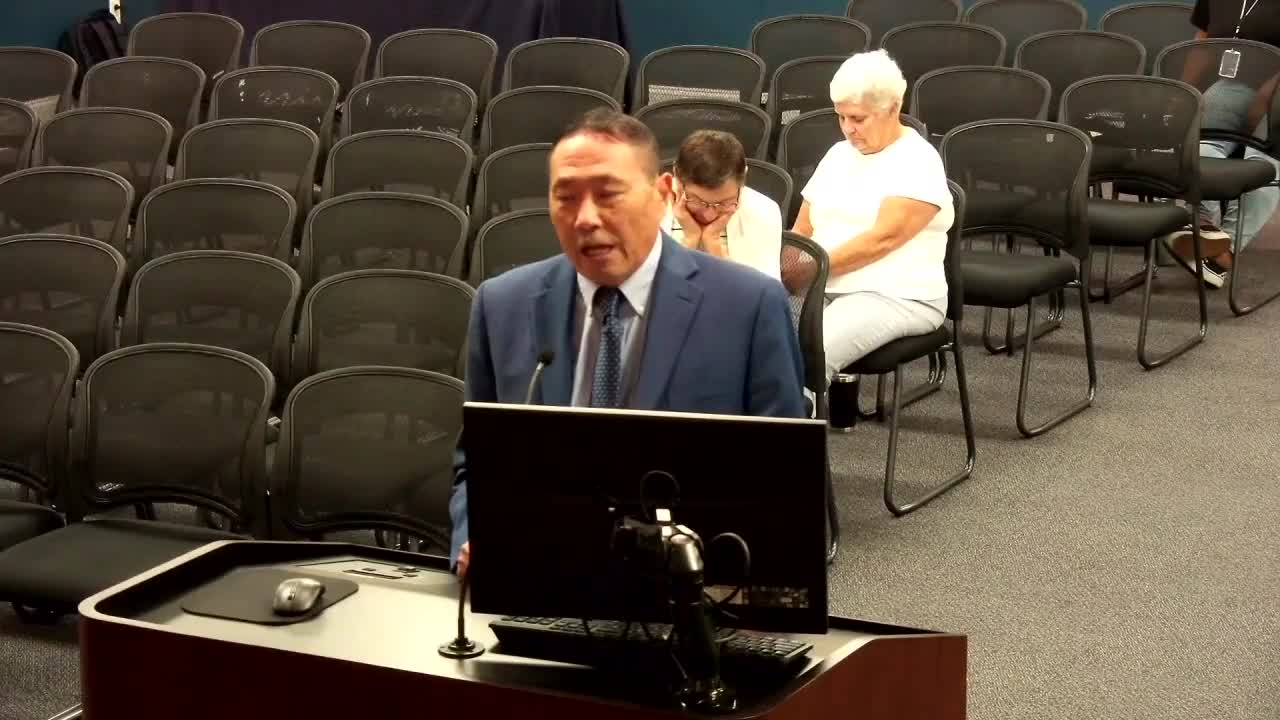
During a recent government meeting, discussions centered around a proposed housing project that is facing financial challenges. The project, which aims to provide 16 housing units, is currently at risk of halting construction due to funding issues. The project leader requested that the funding be structured as a grant rather than a loan, emphasizing that upfront grant funding would significantly reduce construction interest costs and help bridge a funding gap of approximately $500,000.
The project is nearing completion of its environmental review and boundary adjustments, with the leader expressing optimism about the partnership with the city. However, without the requested funding structure, the project could face severe financial difficulties, potentially forcing the team to borrow funds and cut expenses.
City officials engaged in a robust debate regarding the implications of altering the funding structure. Some members expressed concerns about setting a precedent by changing previously agreed-upon terms, while others highlighted the project's community benefits and the potential loss of state funding if the project does not proceed.
The conversation revealed a complex interplay between financial sustainability and community development, with officials weighing the importance of maintaining a loan model that would allow for the recycling of funds into the housing trust against the immediate needs of the project. Suggestions included exploring alternative financing options, such as deferring loan payments to alleviate initial financial burdens while still keeping the project viable.
Ultimately, the meeting underscored the challenges of balancing fiscal responsibility with the urgent need for affordable housing, as officials grappled with how to support the project without undermining established funding processes. The outcome of these discussions remains critical, as the future of the housing project hangs in the balance.
The project is nearing completion of its environmental review and boundary adjustments, with the leader expressing optimism about the partnership with the city. However, without the requested funding structure, the project could face severe financial difficulties, potentially forcing the team to borrow funds and cut expenses.
City officials engaged in a robust debate regarding the implications of altering the funding structure. Some members expressed concerns about setting a precedent by changing previously agreed-upon terms, while others highlighted the project's community benefits and the potential loss of state funding if the project does not proceed.
The conversation revealed a complex interplay between financial sustainability and community development, with officials weighing the importance of maintaining a loan model that would allow for the recycling of funds into the housing trust against the immediate needs of the project. Suggestions included exploring alternative financing options, such as deferring loan payments to alleviate initial financial burdens while still keeping the project viable.
Ultimately, the meeting underscored the challenges of balancing fiscal responsibility with the urgent need for affordable housing, as officials grappled with how to support the project without undermining established funding processes. The outcome of these discussions remains critical, as the future of the housing project hangs in the balance.
Don't Miss a Word: See the Full Meeting!
Go beyond summaries. Unlock every video, transcript, and key insight with a Founder Membership.
✓
Get instant access to full meeting videos
✓
Search and clip any phrase from complete transcripts
✓
Receive AI-powered summaries & custom alerts
✓
Enjoy lifetime, unrestricted access to government data
30-day money-back guarantee
