California Bill Boosts Transit Funding for Major Rail Expansion
August 28, 2024 | California State Assembly, House, Legislative, California
This article was created by AI summarizing key points discussed. AI makes mistakes, so for full details and context, please refer to the video of the full meeting. Please report any errors so we can fix them. Report an error »
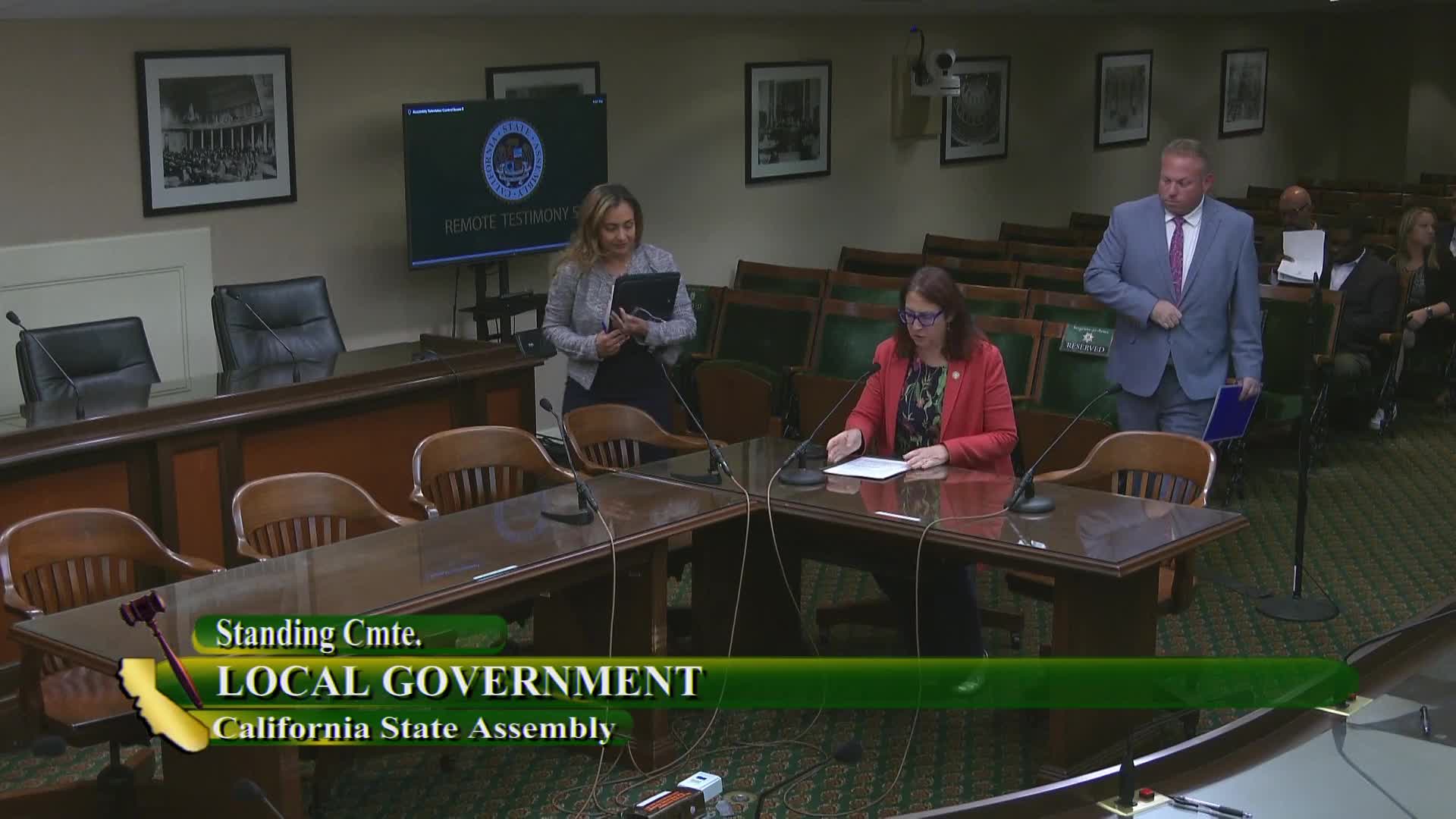
In a recent government meeting, discussions centered around Assembly Bill 761 (AB 761), which aims to extend the tax increment financing period for enhanced infrastructure financing districts (EIFDs) from 45 years to 75 years. This extension is designed to align with federal transportation loans administered by the U.S. Department of Transportation, specifically the Transportation Infrastructure Finance and Innovation Act (TIFIA) loans.
The current law limits EIFDs to a 45-year tax increment collection period, which has proven insufficient for many local transit projects due to slow property value appreciation. It often takes 10 to 15 years for revenues to become adequate for borrowing or debt repayment. By extending the financing period, AB 761 seeks to facilitate access to newly available federal funds, thereby supporting California's transit agencies in their efforts to enhance public transportation infrastructure.
Los Angeles Metro and local municipalities are exploring the use of EIFDs to fund various passenger rail projects, as the region embarks on one of the largest transit expansion programs in the nation. However, rising project costs have necessitated increased support from local governments to maintain momentum on these initiatives and meet climate goals.
The bill is specifically tailored for districts formed after January 1, 2025, focusing on financing passenger rail projects through TIFIA loans. It mandates that after 45 years from the issuance of such loans, all tax increment revenues will be allocated to loan repayment.
Supporters of AB 761, including representatives from the City of West Hollywood, emphasized the importance of expanding rail service, particularly the K Line extension, which aims to improve regional mobility and connect key neighborhoods and job centers. The bill is expected to not only facilitate transit financing but also promote transit-oriented developments, potentially leading to affordable housing projects and enhancements in bike and pedestrian infrastructure.
The meeting underscored the critical need for innovative financing solutions to address the challenges facing California's transit systems and to achieve broader environmental and mobility goals.
The current law limits EIFDs to a 45-year tax increment collection period, which has proven insufficient for many local transit projects due to slow property value appreciation. It often takes 10 to 15 years for revenues to become adequate for borrowing or debt repayment. By extending the financing period, AB 761 seeks to facilitate access to newly available federal funds, thereby supporting California's transit agencies in their efforts to enhance public transportation infrastructure.
Los Angeles Metro and local municipalities are exploring the use of EIFDs to fund various passenger rail projects, as the region embarks on one of the largest transit expansion programs in the nation. However, rising project costs have necessitated increased support from local governments to maintain momentum on these initiatives and meet climate goals.
The bill is specifically tailored for districts formed after January 1, 2025, focusing on financing passenger rail projects through TIFIA loans. It mandates that after 45 years from the issuance of such loans, all tax increment revenues will be allocated to loan repayment.
Supporters of AB 761, including representatives from the City of West Hollywood, emphasized the importance of expanding rail service, particularly the K Line extension, which aims to improve regional mobility and connect key neighborhoods and job centers. The bill is expected to not only facilitate transit financing but also promote transit-oriented developments, potentially leading to affordable housing projects and enhancements in bike and pedestrian infrastructure.
The meeting underscored the critical need for innovative financing solutions to address the challenges facing California's transit systems and to achieve broader environmental and mobility goals.
Don't Miss a Word: See the Full Meeting!
Go beyond summaries. Unlock every video, transcript, and key insight with a Founder Membership.
✓
Get instant access to full meeting videos
✓
Search and clip any phrase from complete transcripts
✓
Receive AI-powered summaries & custom alerts
✓
Enjoy lifetime, unrestricted access to government data
30-day money-back guarantee
