Jail Medical Costs Surge Amid Budget Concerns
August 28, 2024 | Cleburne County, Alabama
This article was created by AI summarizing key points discussed. AI makes mistakes, so for full details and context, please refer to the video of the full meeting. Please report any errors so we can fix them. Report an error »
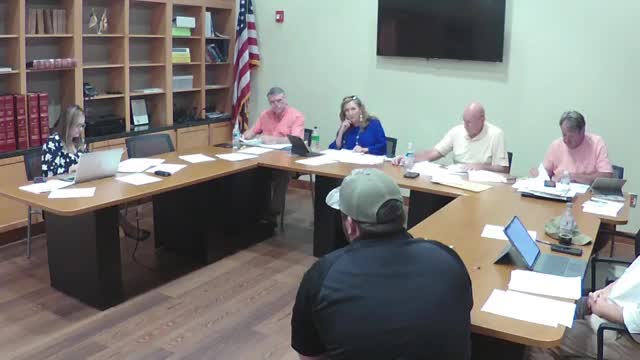
During a recent government meeting, officials discussed significant concerns regarding the rising costs of medical services for inmates, particularly those incurred from outside medical providers. The discussion highlighted a staggering $151,812 in outside medical bills over the past year, with $77,000 already negotiated down, leaving $74,000 pending negotiation with QCHC, the contracted medical provider. The current contract only covers $10,000, raising alarms about potential budget shortfalls.
Officials noted that the unpredictability of these medical expenses, especially with ongoing needs for pregnant inmates and other medical emergencies, poses a financial risk. The need for a proactive approach to budgeting for these expenses was emphasized, with suggestions to allocate an additional $10,000 to $15,000 in anticipation of future bills.
The meeting also addressed new charges from Emergency Medical Services (EMS), which recently began billing $175 each time a deputy or jailer calls for assistance. This change, along with a transport bill that could reach up to $2,000, has prompted discussions about the financial implications of these services, particularly since both EMS and the jail are funded by taxpayer money.
In addition to medical costs, officials reviewed budget allocations for training and safety supplies, with recommendations to increase funding for lodging and meals associated with training sessions. The need for adequate budgeting for essential supplies, particularly in light of ongoing needs stemming from the COVID-19 pandemic, was also discussed.
Overall, the meeting underscored the importance of careful financial planning and interdepartmental communication to manage the rising costs of inmate healthcare and related services effectively.
Officials noted that the unpredictability of these medical expenses, especially with ongoing needs for pregnant inmates and other medical emergencies, poses a financial risk. The need for a proactive approach to budgeting for these expenses was emphasized, with suggestions to allocate an additional $10,000 to $15,000 in anticipation of future bills.
The meeting also addressed new charges from Emergency Medical Services (EMS), which recently began billing $175 each time a deputy or jailer calls for assistance. This change, along with a transport bill that could reach up to $2,000, has prompted discussions about the financial implications of these services, particularly since both EMS and the jail are funded by taxpayer money.
In addition to medical costs, officials reviewed budget allocations for training and safety supplies, with recommendations to increase funding for lodging and meals associated with training sessions. The need for adequate budgeting for essential supplies, particularly in light of ongoing needs stemming from the COVID-19 pandemic, was also discussed.
Overall, the meeting underscored the importance of careful financial planning and interdepartmental communication to manage the rising costs of inmate healthcare and related services effectively.
Don't Miss a Word: See the Full Meeting!
Go beyond summaries. Unlock every video, transcript, and key insight with a Founder Membership.
✓
Get instant access to full meeting videos
✓
Search and clip any phrase from complete transcripts
✓
Receive AI-powered summaries & custom alerts
✓
Enjoy lifetime, unrestricted access to government data
30-day money-back guarantee
