Maryland faces fiscal cliff as education funding challenges loom
August 28, 2024 | Queen Anne's County, Maryland
This article was created by AI summarizing key points discussed. AI makes mistakes, so for full details and context, please refer to the video of the full meeting. Please report any errors so we can fix them. Report an error »
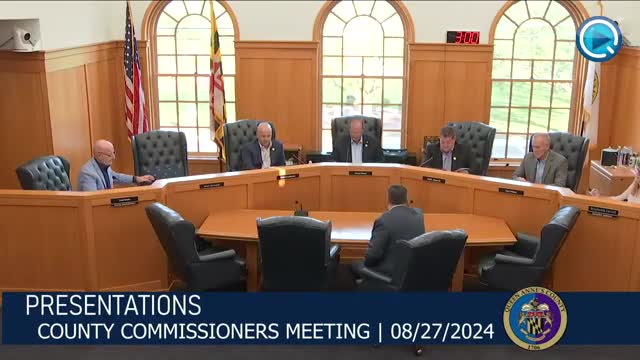
During a recent government meeting, officials reflected on the success of the summer conference and discussed significant upcoming initiatives. Michael Sanderson, director of the Maryland Association of Counties (MACo), emphasized the importance of collaboration among county officials and the state government, particularly as they navigate fiscal challenges.
A key topic was the ongoing implementation of the Blueprint for Maryland's Future, an ambitious educational reform initiative. Sanderson highlighted concerns regarding the state's fiscal health, noting that while current funding appears stable, a financial cliff is anticipated in fiscal year 2028 when existing reserves will be depleted. This situation raises questions about how the state will sustain its educational commitments without increasing taxes or compromising other budgetary needs.
The meeting also addressed the challenges faced by local governments in meeting educational funding requirements. Sanderson pointed out that while the Blueprint aims to enhance educational outcomes, it risks overshadowing other valuable programs, such as arts and sports, if funding is not managed carefully.
In addition to fiscal matters, discussions included housing policy and clean energy initiatives. The state has introduced measures to encourage low-income housing development near transit stations, which Sanderson described as a productive collaboration. However, he cautioned that the debate over housing policy is far from settled.
The pressure for solar energy development was another focal point, with officials acknowledging the need for a balanced approach that respects local zoning while meeting state energy goals. Sanderson indicated that ongoing discussions aim to find compromises that allow for solar development without overwhelming local agricultural interests.
Overall, the meeting underscored the complexities of balancing fiscal responsibility, educational commitments, housing needs, and clean energy goals as Maryland moves forward.
A key topic was the ongoing implementation of the Blueprint for Maryland's Future, an ambitious educational reform initiative. Sanderson highlighted concerns regarding the state's fiscal health, noting that while current funding appears stable, a financial cliff is anticipated in fiscal year 2028 when existing reserves will be depleted. This situation raises questions about how the state will sustain its educational commitments without increasing taxes or compromising other budgetary needs.
The meeting also addressed the challenges faced by local governments in meeting educational funding requirements. Sanderson pointed out that while the Blueprint aims to enhance educational outcomes, it risks overshadowing other valuable programs, such as arts and sports, if funding is not managed carefully.
In addition to fiscal matters, discussions included housing policy and clean energy initiatives. The state has introduced measures to encourage low-income housing development near transit stations, which Sanderson described as a productive collaboration. However, he cautioned that the debate over housing policy is far from settled.
The pressure for solar energy development was another focal point, with officials acknowledging the need for a balanced approach that respects local zoning while meeting state energy goals. Sanderson indicated that ongoing discussions aim to find compromises that allow for solar development without overwhelming local agricultural interests.
Overall, the meeting underscored the complexities of balancing fiscal responsibility, educational commitments, housing needs, and clean energy goals as Maryland moves forward.
View the Full Meeting & All Its Details
This article offers just a summary. Unlock complete video, transcripts, and insights as a Founder Member.
✓
Watch full, unedited meeting videos
✓
Search every word spoken in unlimited transcripts
✓
AI summaries & real-time alerts (all government levels)
✓
Permanent access to expanding government content
30-day money-back guarantee
