Regents outline bold reforms for student success and governance
August 28, 2024 | Connecticut State Colleges and Universities, Higher Education, Organizations, Executive, Connecticut
This article was created by AI summarizing key points discussed. AI makes mistakes, so for full details and context, please refer to the video of the full meeting. Please report any errors so we can fix them. Report an error »
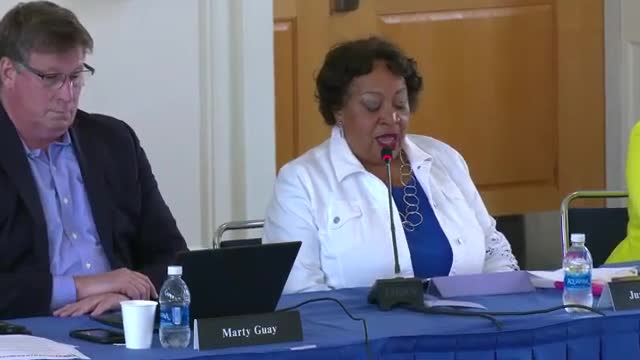
During a recent Board of Regents meeting, significant discussions centered around enhancing student success and governance reform within the educational system. Chair Marty Clay expressed enthusiasm for collaborating with fellow regents, emphasizing the importance of engaging with students and faculty through the Academic and Student Affairs Committee. He highlighted the need to adapt educational programs to meet the diverse needs of the current student body, which includes a growing number of adult learners from varied backgrounds.
Clay announced the elimination of the executive committee, a move aimed at promoting transparency and inclusivity within the board's operations. In its place, a new Governance and Nomination Committee will be established to focus on shared governance and define the roles and responsibilities of regents. This initiative is intended to foster a more proactive and visible board that actively engages with stakeholders across the educational system.
Regent Rick Porth elaborated on the board's commitment to developing clear guidelines for regent responsibilities, emphasizing the need for accountability and strategic goal-setting. He noted the importance of advocacy in securing necessary resources for the system, aligning with the overarching themes of proactivity and visibility.
The meeting also featured insights from Dr. Terry McTaggart, who provided a national perspective on trends affecting public university systems. He identified three key trends: a political retreat from diversity, equity, and inclusion initiatives; a growing focus on measurable student success; and a rethinking of the roles of university systems and boards. McTaggart encouraged the board to consider successful models from other states, such as Arizona State University and the Pennsylvania State System of Higher Education, as they strive to enhance their own effectiveness.
Overall, the meeting underscored a collective commitment to improving educational outcomes and governance practices, with a clear focus on adapting to the evolving needs of a diverse student population.
Clay announced the elimination of the executive committee, a move aimed at promoting transparency and inclusivity within the board's operations. In its place, a new Governance and Nomination Committee will be established to focus on shared governance and define the roles and responsibilities of regents. This initiative is intended to foster a more proactive and visible board that actively engages with stakeholders across the educational system.
Regent Rick Porth elaborated on the board's commitment to developing clear guidelines for regent responsibilities, emphasizing the need for accountability and strategic goal-setting. He noted the importance of advocacy in securing necessary resources for the system, aligning with the overarching themes of proactivity and visibility.
The meeting also featured insights from Dr. Terry McTaggart, who provided a national perspective on trends affecting public university systems. He identified three key trends: a political retreat from diversity, equity, and inclusion initiatives; a growing focus on measurable student success; and a rethinking of the roles of university systems and boards. McTaggart encouraged the board to consider successful models from other states, such as Arizona State University and the Pennsylvania State System of Higher Education, as they strive to enhance their own effectiveness.
Overall, the meeting underscored a collective commitment to improving educational outcomes and governance practices, with a clear focus on adapting to the evolving needs of a diverse student population.
View the Full Meeting & All Its Details
This article offers just a summary. Unlock complete video, transcripts, and insights as a Founder Member.
✓
Watch full, unedited meeting videos
✓
Search every word spoken in unlimited transcripts
✓
AI summaries & real-time alerts (all government levels)
✓
Permanent access to expanding government content
30-day money-back guarantee
