Virginia education system faces crisis with 60% of black students unprepared
August 28, 2024 | Department of Education, Executive Agencies, Executive, Virginia
This article was created by AI summarizing key points discussed. AI makes mistakes, so for full details and context, please refer to the video of the full meeting. Please report any errors so we can fix them. Report an error »
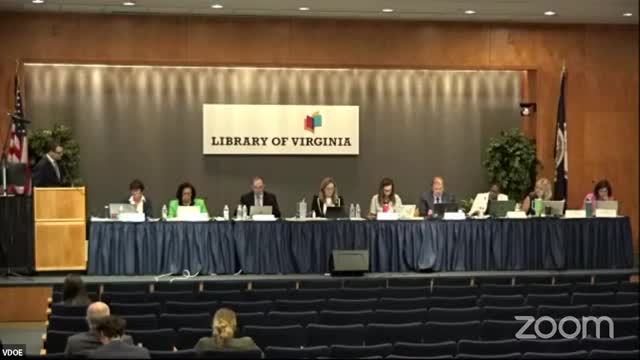
In a recent government meeting, education officials expressed deep concern over the alarming statistics regarding student performance, particularly among Black students in Virginia. A staggering 60% of Black students are reported to be below basic proficiency levels on the National Assessment of Educational Progress (NAEP), a situation described as indicative of a systemic failure to prepare these students for future opportunities.
The Commissioner of Education Statistics highlighted the implications of these figures, emphasizing that they reflect a significant lack of preparedness for students entering society. The discussions revealed a consensus among board members that immediate and substantial changes are necessary to address these educational disparities.
One key point of discussion was the performance of middle schools, which appeared to be struggling more than their elementary and high school counterparts. Board members raised questions about the accuracy of the data, noting that only one middle school was distinguished as exemplary, while a disproportionate number were categorized as off-track. This discrepancy prompted calls for a deeper examination of middle school performance and the need for targeted support for vulnerable student populations.
The meeting also addressed the upcoming changes to Virginia's Every Student Succeeds Act (ESSA) plan, which aims to enhance accountability and transparency in the education system. Notably, the plan will lower the minimum student group size for accountability purposes from 30 to 15, thereby including more students in performance assessments. This change is expected to result in more schools being identified for support, particularly those serving historically marginalized groups.
Officials acknowledged the potential for confusion surrounding these changes and stressed the importance of clear communication to educators and the public. They emphasized that the adjustments are designed to foster transparency and ensure that all students, especially those who have been historically underserved, receive the support they need to succeed.
As the board prepares to implement these changes, there is a strong focus on identifying effective strategies to allocate resources where they are most needed. The discussions underscored a collective commitment to improving educational outcomes and addressing the systemic issues that have led to significant achievement gaps among different student demographics.
The Commissioner of Education Statistics highlighted the implications of these figures, emphasizing that they reflect a significant lack of preparedness for students entering society. The discussions revealed a consensus among board members that immediate and substantial changes are necessary to address these educational disparities.
One key point of discussion was the performance of middle schools, which appeared to be struggling more than their elementary and high school counterparts. Board members raised questions about the accuracy of the data, noting that only one middle school was distinguished as exemplary, while a disproportionate number were categorized as off-track. This discrepancy prompted calls for a deeper examination of middle school performance and the need for targeted support for vulnerable student populations.
The meeting also addressed the upcoming changes to Virginia's Every Student Succeeds Act (ESSA) plan, which aims to enhance accountability and transparency in the education system. Notably, the plan will lower the minimum student group size for accountability purposes from 30 to 15, thereby including more students in performance assessments. This change is expected to result in more schools being identified for support, particularly those serving historically marginalized groups.
Officials acknowledged the potential for confusion surrounding these changes and stressed the importance of clear communication to educators and the public. They emphasized that the adjustments are designed to foster transparency and ensure that all students, especially those who have been historically underserved, receive the support they need to succeed.
As the board prepares to implement these changes, there is a strong focus on identifying effective strategies to allocate resources where they are most needed. The discussions underscored a collective commitment to improving educational outcomes and addressing the systemic issues that have led to significant achievement gaps among different student demographics.
View the Full Meeting & All Its Details
This article offers just a summary. Unlock complete video, transcripts, and insights as a Founder Member.
✓
Watch full, unedited meeting videos
✓
Search every word spoken in unlimited transcripts
✓
AI summaries & real-time alerts (all government levels)
✓
Permanent access to expanding government content
30-day money-back guarantee
