City leaders push for urgent winter shelter solutions
August 28, 2024 | Lowell City, Middlesex County, Massachusetts
This article was created by AI summarizing key points discussed. AI makes mistakes, so for full details and context, please refer to the video of the full meeting. Please report any errors so we can fix them. Report an error »
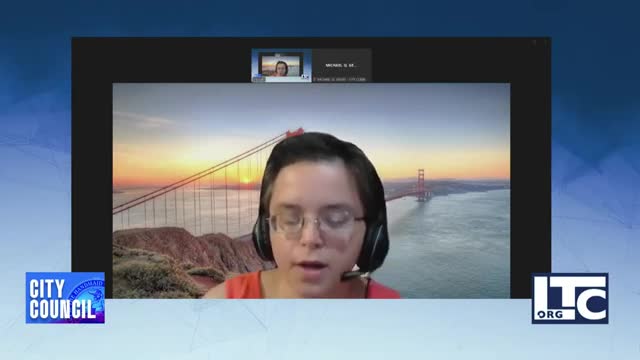
During a recent city council meeting, officials discussed the urgent need for effective warming and cooling shelters in response to changing climate conditions and the increasing number of individuals experiencing homelessness. Caroline Snow, a resident, emphasized the importance of having established policies and procedures in place for emergency responses, particularly as temperatures fluctuate. She argued that when extreme weather strikes, it is crucial to have shelters ready to welcome those in need without delay.
Councilor Mercier highlighted the community's evolving needs since last winter, particularly following the loss of a key shelter, Life Connections. He called for a comprehensive plan to address the upcoming winter's challenges, urging the administration to provide a detailed proposal that includes costs and logistics for operating warming shelters. This sentiment was echoed by other council members, who expressed concern over the lack of available shelter options as colder months approach.
Councilor Robinson raised the issue of community partnerships, questioning whether local organizations could step in to fill the gaps left by the closure of Life Connections. He stressed the importance of identifying suitable locations and staffing for these shelters, noting that the city does not typically run social services but can support existing efforts.
City Manager Golden responded by outlining the city's financial commitment to addressing homelessness, citing approximately $2.4 million spent over the past 16 months on various initiatives, including women's shelters and permanent housing projects. He acknowledged the challenges posed by staffing shortages and the need for effective outreach to those who may not be aware of available services.
The discussion also touched on the broader implications of climate change, with Councilor Cochise pointing out the city's struggle to balance environmental concerns with community needs. He questioned the effectiveness of current cooling stations, noting that many individuals do not utilize these resources.
As the meeting concluded, council members agreed on the necessity of a task force to explore solutions collaboratively, inviting community input to develop a more effective response to the pressing issue of homelessness and extreme weather preparedness. The council's commitment to addressing these challenges reflects a growing recognition of the interconnectedness of climate change, public health, and social services in the community.
Councilor Mercier highlighted the community's evolving needs since last winter, particularly following the loss of a key shelter, Life Connections. He called for a comprehensive plan to address the upcoming winter's challenges, urging the administration to provide a detailed proposal that includes costs and logistics for operating warming shelters. This sentiment was echoed by other council members, who expressed concern over the lack of available shelter options as colder months approach.
Councilor Robinson raised the issue of community partnerships, questioning whether local organizations could step in to fill the gaps left by the closure of Life Connections. He stressed the importance of identifying suitable locations and staffing for these shelters, noting that the city does not typically run social services but can support existing efforts.
City Manager Golden responded by outlining the city's financial commitment to addressing homelessness, citing approximately $2.4 million spent over the past 16 months on various initiatives, including women's shelters and permanent housing projects. He acknowledged the challenges posed by staffing shortages and the need for effective outreach to those who may not be aware of available services.
The discussion also touched on the broader implications of climate change, with Councilor Cochise pointing out the city's struggle to balance environmental concerns with community needs. He questioned the effectiveness of current cooling stations, noting that many individuals do not utilize these resources.
As the meeting concluded, council members agreed on the necessity of a task force to explore solutions collaboratively, inviting community input to develop a more effective response to the pressing issue of homelessness and extreme weather preparedness. The council's commitment to addressing these challenges reflects a growing recognition of the interconnectedness of climate change, public health, and social services in the community.
Don't Miss a Word: See the Full Meeting!
Go beyond summaries. Unlock every video, transcript, and key insight with a Founder Membership.
✓
Get instant access to full meeting videos
✓
Search and clip any phrase from complete transcripts
✓
Receive AI-powered summaries & custom alerts
✓
Enjoy lifetime, unrestricted access to government data
30-day money-back guarantee
