City Council Approves Controversial Waterfront Right of Way Vacation
July 26, 2024 | Des Moines City, King County, Washington
This article was created by AI summarizing key points discussed. AI makes mistakes, so for full details and context, please refer to the video of the full meeting. Please report any errors so we can fix them. Report an error »
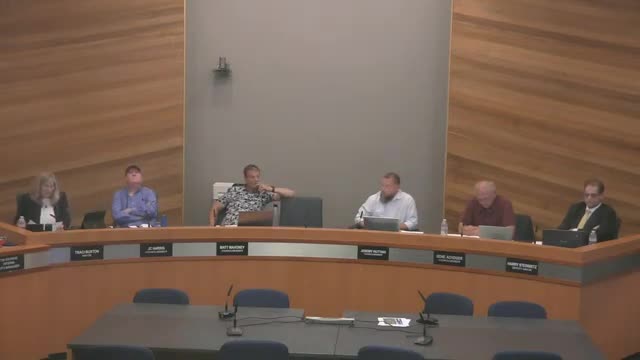
During a recent city council meeting, officials discussed the vacation of a public right-of-way known as First Place, located in the northeast section of the city. The public hearing was initiated to gather comments regarding a draft ordinance that would formally approve this vacation, which has been deemed necessary for the construction of two single-family homes on adjacent lots.
Civil engineer Mike Whispant presented the case, explaining that the right-of-way in question had not been improved or utilized for public access, thus qualifying it for vacation under Washington state’s non-user status statutes. This legislative act allows for the extinguishment of public use claims on rights-of-way that have not been developed within a specified timeframe. Whispant noted that the area had effectively been vacated since it had not been used for transportation purposes, and all surrounding property owners had expressed their agreement to the vacation.
The council heard public comments from residents, including concerns about communication regarding the easement and the potential for increased traffic and safety issues if the easement were to be opened. One resident, Larry Scott, raised questions about the notification process for the easement and suggested that extending access from an existing road might be more feasible than the proposed plan. Another resident, Chuck Ballard, expressed worries about traffic safety and the possibility of the easement being converted into a full street in the future.
Council members engaged in discussions about the historical context of the right-of-way, noting that it had been established in the late 19th century but had never been developed. They clarified that the vacation process would result in the adjacent property owners receiving half of the vacated land, which could slightly increase their property tax bills.
The council confirmed that the access to the new homes would be through a private easement agreement with neighboring properties, ensuring that the area would not become a public thoroughfare. The meeting concluded with a motion on the table for the council to consider the vacation of the right-of-way, with further deliberations expected in future sessions.
Civil engineer Mike Whispant presented the case, explaining that the right-of-way in question had not been improved or utilized for public access, thus qualifying it for vacation under Washington state’s non-user status statutes. This legislative act allows for the extinguishment of public use claims on rights-of-way that have not been developed within a specified timeframe. Whispant noted that the area had effectively been vacated since it had not been used for transportation purposes, and all surrounding property owners had expressed their agreement to the vacation.
The council heard public comments from residents, including concerns about communication regarding the easement and the potential for increased traffic and safety issues if the easement were to be opened. One resident, Larry Scott, raised questions about the notification process for the easement and suggested that extending access from an existing road might be more feasible than the proposed plan. Another resident, Chuck Ballard, expressed worries about traffic safety and the possibility of the easement being converted into a full street in the future.
Council members engaged in discussions about the historical context of the right-of-way, noting that it had been established in the late 19th century but had never been developed. They clarified that the vacation process would result in the adjacent property owners receiving half of the vacated land, which could slightly increase their property tax bills.
The council confirmed that the access to the new homes would be through a private easement agreement with neighboring properties, ensuring that the area would not become a public thoroughfare. The meeting concluded with a motion on the table for the council to consider the vacation of the right-of-way, with further deliberations expected in future sessions.
Don't Miss a Word: See the Full Meeting!
Go beyond summaries. Unlock every video, transcript, and key insight with a Founder Membership.
✓
Get instant access to full meeting videos
✓
Search and clip any phrase from complete transcripts
✓
Receive AI-powered summaries & custom alerts
✓
Enjoy lifetime, unrestricted access to government data
30-day money-back guarantee
