Flood risk models face scrutiny amid changing climate impacts
August 28, 2024 | Klamath County, Oregon
This article was created by AI summarizing key points discussed. AI makes mistakes, so for full details and context, please refer to the video of the full meeting. Please report any errors so we can fix them. Report an error »
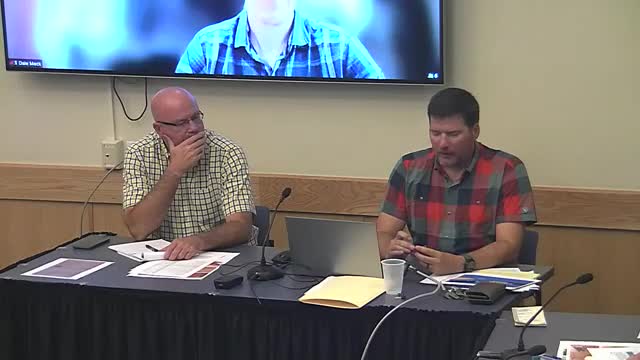
In a recent government meeting, officials discussed the implications of urban development on flood management, emphasizing the need for updated models to assess flood risks accurately. The conversation highlighted how 40 years of development have increased impervious surfaces, such as roads and buildings, which contribute to higher runoff compared to undeveloped land. This change has led to a significant rise in water runoff, with developed areas generating 30 to 40% more runoff than vacant fields.
The officials noted that while the impact of this development is manageable due to the requirement for detention basins in new subdivisions, there is a growing concern about the adequacy of existing flood models. The discussion pointed out that traditional flood risk assessments, such as the 100-year flood model, may no longer be sufficient as storm patterns and frequencies evolve. The need for a more dynamic approach to flood risk assessment was underscored, with suggestions to consider annual probabilities rather than fixed historical benchmarks.
Additionally, the meeting referenced historical flood events, including the significant floods of 1964 and 1861, which lacked modern measurement tools like stream gauges. This lack of data complicates the understanding of flood risks and necessitates a reevaluation of methodologies used by agencies like FEMA in determining floodplain elevations.
As climate change continues to influence weather patterns, officials acknowledged the importance of adapting flood management strategies to reflect current realities, including the effects of urbanization and environmental changes. The meeting concluded with a call for ongoing research and updates to flood risk models to ensure community safety and preparedness in the face of potential flooding events.
The officials noted that while the impact of this development is manageable due to the requirement for detention basins in new subdivisions, there is a growing concern about the adequacy of existing flood models. The discussion pointed out that traditional flood risk assessments, such as the 100-year flood model, may no longer be sufficient as storm patterns and frequencies evolve. The need for a more dynamic approach to flood risk assessment was underscored, with suggestions to consider annual probabilities rather than fixed historical benchmarks.
Additionally, the meeting referenced historical flood events, including the significant floods of 1964 and 1861, which lacked modern measurement tools like stream gauges. This lack of data complicates the understanding of flood risks and necessitates a reevaluation of methodologies used by agencies like FEMA in determining floodplain elevations.
As climate change continues to influence weather patterns, officials acknowledged the importance of adapting flood management strategies to reflect current realities, including the effects of urbanization and environmental changes. The meeting concluded with a call for ongoing research and updates to flood risk models to ensure community safety and preparedness in the face of potential flooding events.
Don't Miss a Word: See the Full Meeting!
Go beyond summaries. Unlock every video, transcript, and key insight with a Founder Membership.
✓
Get instant access to full meeting videos
✓
Search and clip any phrase from complete transcripts
✓
Receive AI-powered summaries & custom alerts
✓
Enjoy lifetime, unrestricted access to government data
30-day money-back guarantee
