AI Regulation Sparks Debate Over Free Speech and Democracy
June 04, 2024 | Elections and Constitutional Amendments, Standing Committees, California State Senate, Senate, Legislative, California
This article was created by AI summarizing key points discussed. AI makes mistakes, so for full details and context, please refer to the video of the full meeting. Please report any errors so we can fix them. Report an error »
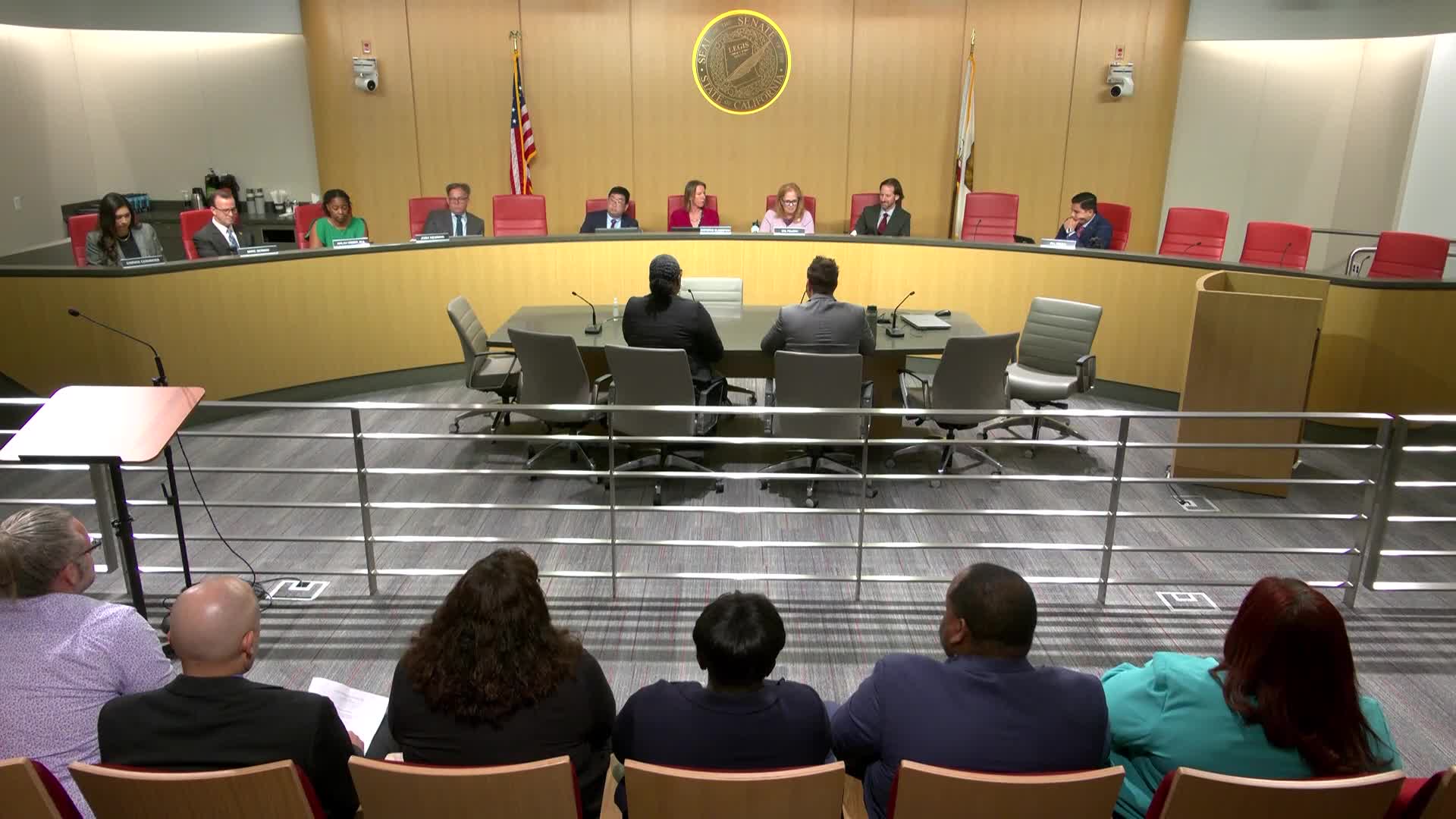
In a recent government meeting, discussions centered on the regulation of artificial intelligence (AI) and its implications for free speech and election integrity in the United States. Experts highlighted the stark differences between U.S. and European approaches to regulating AI, particularly in the context of protecting democratic processes from misinformation and foreign influence.
A sociologist emphasized that misconceptions exist regarding the European Union's Digital Services Act, which does not redefine illegal speech but mandates social media companies to assess and mitigate risks their platforms pose to democracy and public health. This approach contrasts with the U.S. Constitution's strong protections for free speech, complicating efforts to regulate AI's role in influencing elections.
The meeting also addressed the challenges posed by Section 230 of the Communications Decency Act, which shields online platforms from liability for user-generated content. There is a growing recognition among lawmakers of the need to reconsider this law to enhance accountability for social media companies, especially in light of ongoing misinformation campaigns reminiscent of those seen in the 2016 elections.
Assembly member Berman expressed optimism about the establishment of an Office of Election Cybersecurity, which aims to provide resources and best practices to counties, particularly smaller ones. He noted a shift in the tech industry, with companies like OpenAI advocating for regulation—a departure from the traditional libertarian stance of minimal government interference.
Concerns were raised about the potential prioritization of user growth and profit over security and ethical considerations among AI companies. Berman recalled past industry practices that prioritized rapid user acquisition at the expense of privacy and security, warning that similar trends could emerge in the AI sector.
The meeting concluded with discussions on state-level legislative efforts to regulate AI, with several states, including Michigan, Minnesota, Texas, and Washington, having passed relevant laws. Vermont is also working on legislation that could set new liability standards for AI, potentially outpacing European efforts in this area.
Overall, the meeting underscored the urgent need for a balanced regulatory framework that protects democracy while fostering innovation in the rapidly evolving AI landscape.
A sociologist emphasized that misconceptions exist regarding the European Union's Digital Services Act, which does not redefine illegal speech but mandates social media companies to assess and mitigate risks their platforms pose to democracy and public health. This approach contrasts with the U.S. Constitution's strong protections for free speech, complicating efforts to regulate AI's role in influencing elections.
The meeting also addressed the challenges posed by Section 230 of the Communications Decency Act, which shields online platforms from liability for user-generated content. There is a growing recognition among lawmakers of the need to reconsider this law to enhance accountability for social media companies, especially in light of ongoing misinformation campaigns reminiscent of those seen in the 2016 elections.
Assembly member Berman expressed optimism about the establishment of an Office of Election Cybersecurity, which aims to provide resources and best practices to counties, particularly smaller ones. He noted a shift in the tech industry, with companies like OpenAI advocating for regulation—a departure from the traditional libertarian stance of minimal government interference.
Concerns were raised about the potential prioritization of user growth and profit over security and ethical considerations among AI companies. Berman recalled past industry practices that prioritized rapid user acquisition at the expense of privacy and security, warning that similar trends could emerge in the AI sector.
The meeting concluded with discussions on state-level legislative efforts to regulate AI, with several states, including Michigan, Minnesota, Texas, and Washington, having passed relevant laws. Vermont is also working on legislation that could set new liability standards for AI, potentially outpacing European efforts in this area.
Overall, the meeting underscored the urgent need for a balanced regulatory framework that protects democracy while fostering innovation in the rapidly evolving AI landscape.
View the Full Meeting & All Its Details
This article offers just a summary. Unlock complete video, transcripts, and insights as a Founder Member.
✓
Watch full, unedited meeting videos
✓
Search every word spoken in unlimited transcripts
✓
AI summaries & real-time alerts (all government levels)
✓
Permanent access to expanding government content
30-day money-back guarantee
