County grapples with costly air quality regulations
July 01, 2024 | Yuma County, Arizona
This article was created by AI summarizing key points discussed. AI makes mistakes, so for full details and context, please refer to the video of the full meeting. Please report any errors so we can fix them. Report an error »
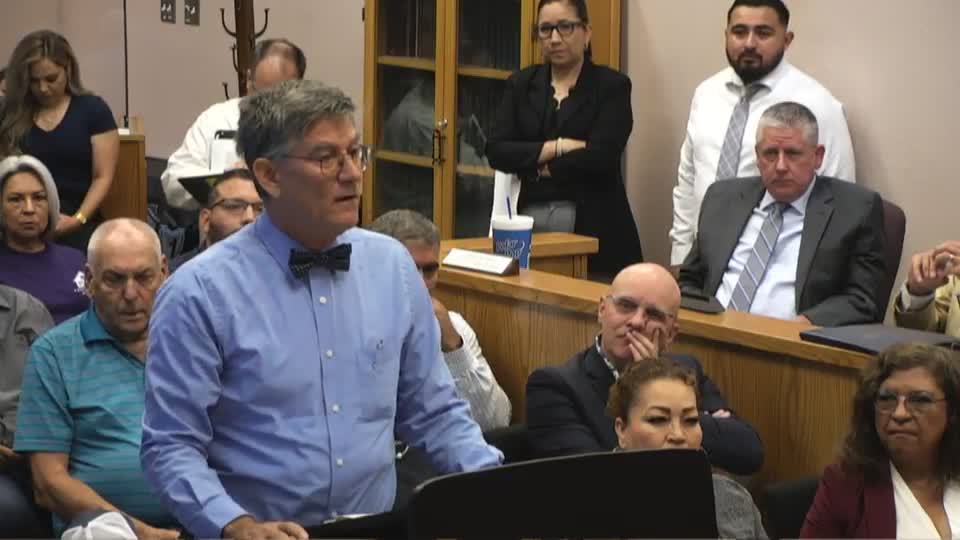
In a recent government meeting, officials discussed the implications of new federal regulations on local air quality management, particularly concerning particulate matter (PM10) in Yuma County. The dialogue centered around the necessity of having a State Implementation Plan (SIP) to address air quality standards mandated by the Clean Air Act, despite the challenges posed by external factors beyond local control, such as military operations and agricultural practices.
Key points raised included the need for a comprehensive plan to demonstrate efforts to mitigate air pollution, even if the plan does not directly resolve the underlying issues. Officials emphasized that the Environmental Protection Agency (EPA) requires a plan to avoid sanctions, which could include federal implementation plans that impose stricter regulations on the county.
Concerns were voiced about the financial burden of implementing proposed measures, such as paving unpaved roads, which could be prohibitively expensive for the county. Officials acknowledged the need to explore alternative metrics for determining feasible solutions, suggesting that stakeholder engagement is crucial in identifying practical approaches to meet regulatory requirements.
The discussion also touched on the recent Supreme Court ruling regarding Chevron deference, which could impact how federal agencies interpret regulations. This ruling may provide local governments with a legal basis to challenge certain federal mandates that they deem unreasonable, particularly when external factors contribute significantly to air quality issues.
As the meeting concluded, officials reiterated the importance of collaboration among stakeholders, including local government, the military, and agricultural representatives, to develop a viable SIP. The goal is to submit this plan to the EPA by early 2025, which would halt the sanctions clock and allow for a more manageable approach to achieving compliance with air quality standards.
Key points raised included the need for a comprehensive plan to demonstrate efforts to mitigate air pollution, even if the plan does not directly resolve the underlying issues. Officials emphasized that the Environmental Protection Agency (EPA) requires a plan to avoid sanctions, which could include federal implementation plans that impose stricter regulations on the county.
Concerns were voiced about the financial burden of implementing proposed measures, such as paving unpaved roads, which could be prohibitively expensive for the county. Officials acknowledged the need to explore alternative metrics for determining feasible solutions, suggesting that stakeholder engagement is crucial in identifying practical approaches to meet regulatory requirements.
The discussion also touched on the recent Supreme Court ruling regarding Chevron deference, which could impact how federal agencies interpret regulations. This ruling may provide local governments with a legal basis to challenge certain federal mandates that they deem unreasonable, particularly when external factors contribute significantly to air quality issues.
As the meeting concluded, officials reiterated the importance of collaboration among stakeholders, including local government, the military, and agricultural representatives, to develop a viable SIP. The goal is to submit this plan to the EPA by early 2025, which would halt the sanctions clock and allow for a more manageable approach to achieving compliance with air quality standards.
Don't Miss a Word: See the Full Meeting!
Go beyond summaries. Unlock every video, transcript, and key insight with a Founder Membership.
✓
Get instant access to full meeting videos
✓
Search and clip any phrase from complete transcripts
✓
Receive AI-powered summaries & custom alerts
✓
Enjoy lifetime, unrestricted access to government data
30-day money-back guarantee
