Coyotes thrive in Florida as urban wildlife expands
June 19, 2024 | Marco Island, Collier County, Florida
This article was created by AI summarizing key points discussed. AI makes mistakes, so for full details and context, please refer to the video of the full meeting. Please report any errors so we can fix them. Report an error »
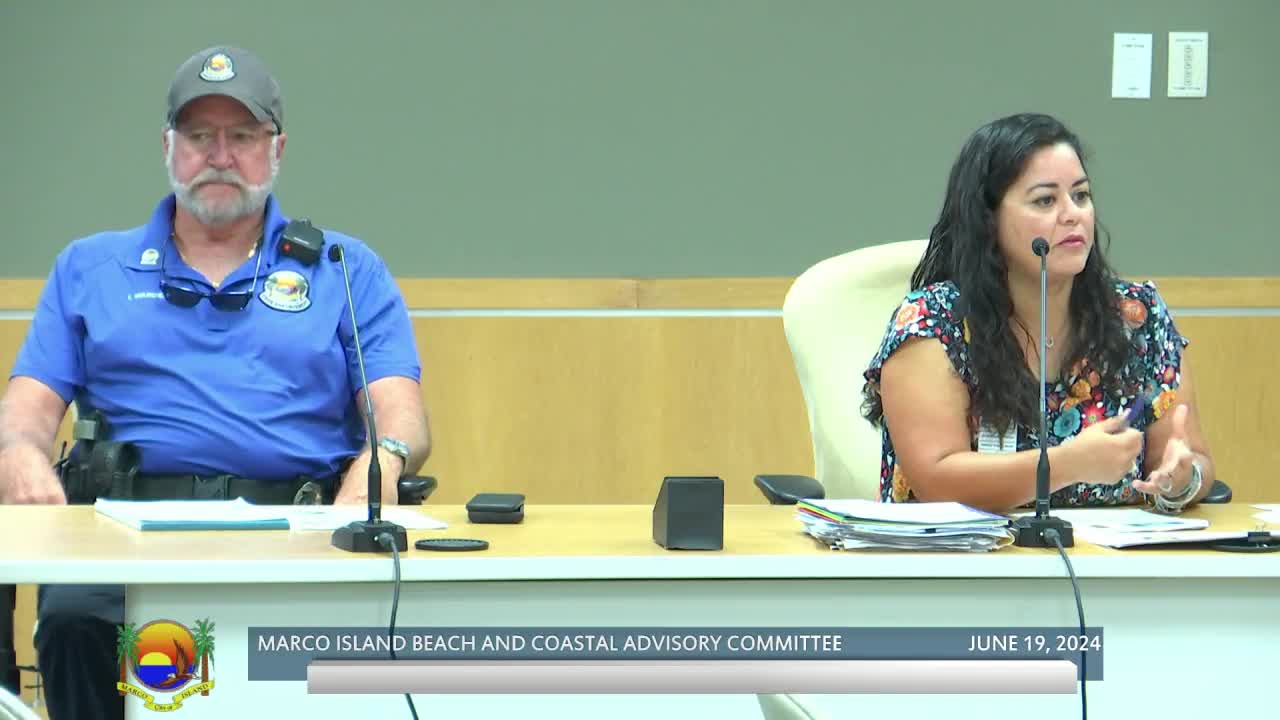
During a recent government meeting, wildlife biologist Austin Peek from the Florida Fish and Wildlife Conservation Commission presented an in-depth analysis of the increasing coyote population in Florida, particularly in urban areas like Marco Island. The discussion highlighted the ecological implications of this expansion, which has been attributed to the eradication of natural predators, such as the red wolf, and habitat changes due to agricultural development.
Peek explained that coyotes, originally native to the western United States, have adapted to various environments across North America, including urban settings. Their omnivorous diet allows them to thrive on a wide range of food sources, including small mammals and even human refuse. This adaptability has led to their presence in every county in Florida, with significant populations in metropolitan areas where food resources are abundant.
The presentation emphasized the ecological benefits of coyotes, noting their role in controlling populations of smaller predators like raccoons, which can negatively impact ground-nesting bird species. However, concerns were raised about potential competition with endangered species, such as the Florida panther. Peek reassured attendees that studies indicate coyotes and panthers coexist without significant adverse effects on each other's populations.
The meeting also addressed common misconceptions about coyotes, including their size and behavior. Peek clarified that the average coyote weighs around 27 pounds, countering reports of much larger individuals. He also noted that coyotes are active during the day, which is often misinterpreted as a sign of illness.
In terms of human-wildlife conflict, the discussion highlighted the importance of responsible pet ownership. Peek urged residents to keep pets indoors or supervised to prevent predation by coyotes and other wildlife. The meeting concluded with a call for community education on coexistence strategies to mitigate conflicts while appreciating the ecological role of coyotes in Florida's diverse ecosystems.
Peek explained that coyotes, originally native to the western United States, have adapted to various environments across North America, including urban settings. Their omnivorous diet allows them to thrive on a wide range of food sources, including small mammals and even human refuse. This adaptability has led to their presence in every county in Florida, with significant populations in metropolitan areas where food resources are abundant.
The presentation emphasized the ecological benefits of coyotes, noting their role in controlling populations of smaller predators like raccoons, which can negatively impact ground-nesting bird species. However, concerns were raised about potential competition with endangered species, such as the Florida panther. Peek reassured attendees that studies indicate coyotes and panthers coexist without significant adverse effects on each other's populations.
The meeting also addressed common misconceptions about coyotes, including their size and behavior. Peek clarified that the average coyote weighs around 27 pounds, countering reports of much larger individuals. He also noted that coyotes are active during the day, which is often misinterpreted as a sign of illness.
In terms of human-wildlife conflict, the discussion highlighted the importance of responsible pet ownership. Peek urged residents to keep pets indoors or supervised to prevent predation by coyotes and other wildlife. The meeting concluded with a call for community education on coexistence strategies to mitigate conflicts while appreciating the ecological role of coyotes in Florida's diverse ecosystems.
Don't Miss a Word: See the Full Meeting!
Go beyond summaries. Unlock every video, transcript, and key insight with a Founder Membership.
✓
Get instant access to full meeting videos
✓
Search and clip any phrase from complete transcripts
✓
Receive AI-powered summaries & custom alerts
✓
Enjoy lifetime, unrestricted access to government data
30-day money-back guarantee
