Social services face crisis as caseloads soar
August 08, 2024 | Cayuga County, New York
This article was created by AI summarizing key points discussed. AI makes mistakes, so for full details and context, please refer to the video of the full meeting. Please report any errors so we can fix them. Report an error »
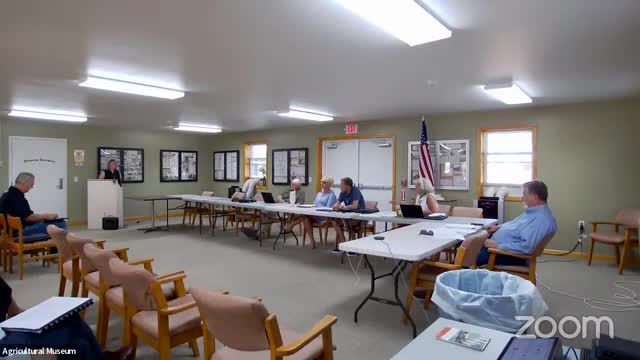
In a recent government meeting, officials discussed the ongoing challenges faced by the Department of Social Services (DSS), particularly in light of staffing shortages and the impact of remote work arrangements initiated during the COVID-19 pandemic. The department has been utilizing remote work technology since before the pandemic, which has allowed some operations to continue smoothly despite disruptions. However, the lack of a permanent office space has created significant hurdles for staff, leading to increased stress and inefficiencies.
The meeting highlighted a critical resolution to authorize the hiring of a new social services attorney following a recent resignation. This vacancy has compounded existing challenges, as the department currently operates with only one attorney, making it difficult to manage the workload effectively. Officials noted that the absence of a supervising attorney and a full-time paralegal has further strained resources.
DSS staff are currently scattered across various locations, complicating coordination and efficiency. The department is actively assessing its space needs to ensure that supervisors can meet with their teams and manage cases effectively. The need for adequate office space is urgent, as current arrangements are deemed unsustainable for the long term.
The meeting also addressed the department's caseloads, which remain high. Currently, child protective caseworkers are managing between 30 and 40 cases each, significantly above the recommended best practice of 15 to 18. This situation is exacerbated by ongoing vacancies and a high turnover rate among staff, which has led to increased workloads and potential burnout among employees.
Additionally, the department reported steady numbers in emergency housing, with 36 families and 110 individuals currently receiving assistance. The average length of stay for families in emergency housing is approximately 90 days, with fluctuations expected as the seasons change.
Overall, the discussions underscored the pressing need for additional staffing and resources within the DSS to address the growing demands on social services and to support the well-being of both staff and the families they serve.
The meeting highlighted a critical resolution to authorize the hiring of a new social services attorney following a recent resignation. This vacancy has compounded existing challenges, as the department currently operates with only one attorney, making it difficult to manage the workload effectively. Officials noted that the absence of a supervising attorney and a full-time paralegal has further strained resources.
DSS staff are currently scattered across various locations, complicating coordination and efficiency. The department is actively assessing its space needs to ensure that supervisors can meet with their teams and manage cases effectively. The need for adequate office space is urgent, as current arrangements are deemed unsustainable for the long term.
The meeting also addressed the department's caseloads, which remain high. Currently, child protective caseworkers are managing between 30 and 40 cases each, significantly above the recommended best practice of 15 to 18. This situation is exacerbated by ongoing vacancies and a high turnover rate among staff, which has led to increased workloads and potential burnout among employees.
Additionally, the department reported steady numbers in emergency housing, with 36 families and 110 individuals currently receiving assistance. The average length of stay for families in emergency housing is approximately 90 days, with fluctuations expected as the seasons change.
Overall, the discussions underscored the pressing need for additional staffing and resources within the DSS to address the growing demands on social services and to support the well-being of both staff and the families they serve.
Don't Miss a Word: See the Full Meeting!
Go beyond summaries. Unlock every video, transcript, and key insight with a Founder Membership.
✓
Get instant access to full meeting videos
✓
Search and clip any phrase from complete transcripts
✓
Receive AI-powered summaries & custom alerts
✓
Enjoy lifetime, unrestricted access to government data
30-day money-back guarantee
