Candidates clash over foreign policy and nuclear tensions
July 13, 2024 | Jill Stein, Presidential Candidates 2024
This article was created by AI summarizing key points discussed. AI makes mistakes, so for full details and context, please refer to the video of the full meeting. Please report any errors so we can fix them. Report an error »
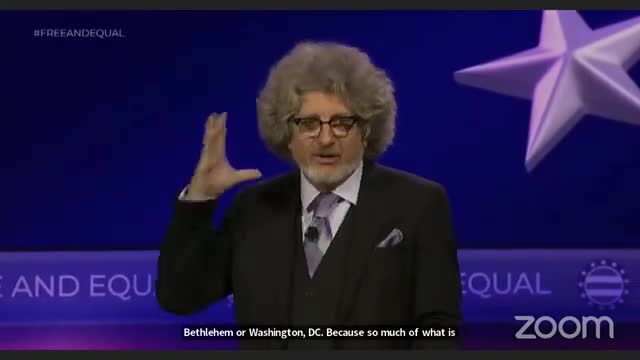
In a recent government meeting, discussions centered on the role of the federal government in the economy and the implications of U.S. foreign policy amid rising global tensions.
One speaker provocatively suggested that reducing the size of the federal workforce could stimulate economic growth, arguing that the government is the largest employer in the U.S. and that many government employees should transition to the private sector to contribute to economic productivity. This sentiment echoed historical criticisms of government intervention, with references to Thomas Jefferson's warnings about the burdens of taxation.
The conversation then shifted to international relations, particularly regarding the U.S. involvement in Ukraine. Randall Terry criticized the current administration's approach, asserting that Ukraine's non-NATO status should prompt a reevaluation of U.S. military commitments. He advocated for a \"peace through strength\" strategy, emphasizing the importance of deterrence against potential nuclear threats.
Chase Sullivan took a contrasting stance, calling for a withdrawal of U.S. military presence globally and promoting peace through trade rather than military intervention. He highlighted the human costs of past conflicts, arguing that a focus on diplomacy and commerce would foster better international relations.
Dr. Jill Stein raised concerns about the U.S. military's dominance and its potential to escalate conflicts, particularly in Ukraine and Israel. She criticized the abandonment of nuclear treaties and warned of the catastrophic consequences of nuclear warfare, advocating for disarmament and a shift towards diplomatic solutions.
The discussions underscored a divide in perspectives on how to achieve peace and security, with some advocating for military strength and others calling for a reduction in military engagement and a focus on economic cooperation. The meeting highlighted the complexities of U.S. foreign policy and its implications for both domestic and international stability.
One speaker provocatively suggested that reducing the size of the federal workforce could stimulate economic growth, arguing that the government is the largest employer in the U.S. and that many government employees should transition to the private sector to contribute to economic productivity. This sentiment echoed historical criticisms of government intervention, with references to Thomas Jefferson's warnings about the burdens of taxation.
The conversation then shifted to international relations, particularly regarding the U.S. involvement in Ukraine. Randall Terry criticized the current administration's approach, asserting that Ukraine's non-NATO status should prompt a reevaluation of U.S. military commitments. He advocated for a \"peace through strength\" strategy, emphasizing the importance of deterrence against potential nuclear threats.
Chase Sullivan took a contrasting stance, calling for a withdrawal of U.S. military presence globally and promoting peace through trade rather than military intervention. He highlighted the human costs of past conflicts, arguing that a focus on diplomacy and commerce would foster better international relations.
Dr. Jill Stein raised concerns about the U.S. military's dominance and its potential to escalate conflicts, particularly in Ukraine and Israel. She criticized the abandonment of nuclear treaties and warned of the catastrophic consequences of nuclear warfare, advocating for disarmament and a shift towards diplomatic solutions.
The discussions underscored a divide in perspectives on how to achieve peace and security, with some advocating for military strength and others calling for a reduction in military engagement and a focus on economic cooperation. The meeting highlighted the complexities of U.S. foreign policy and its implications for both domestic and international stability.
View the Full Meeting & All Its Details
This article offers just a summary. Unlock complete video, transcripts, and insights as a Founder Member.
✓
Watch full, unedited meeting videos
✓
Search every word spoken in unlimited transcripts
✓
AI summaries & real-time alerts (all government levels)
✓
Permanent access to expanding government content
30-day money-back guarantee
