Tax Code Reform Urged to Combat Wealth Inequality
June 12, 2024 | Budget: Senate Committee, Standing Committees - House & Senate, Congressional Hearings Compilation, Legislative, Federal
This article was created by AI summarizing key points discussed. AI makes mistakes, so for full details and context, please refer to the video of the full meeting. Please report any errors so we can fix them. Report an error »
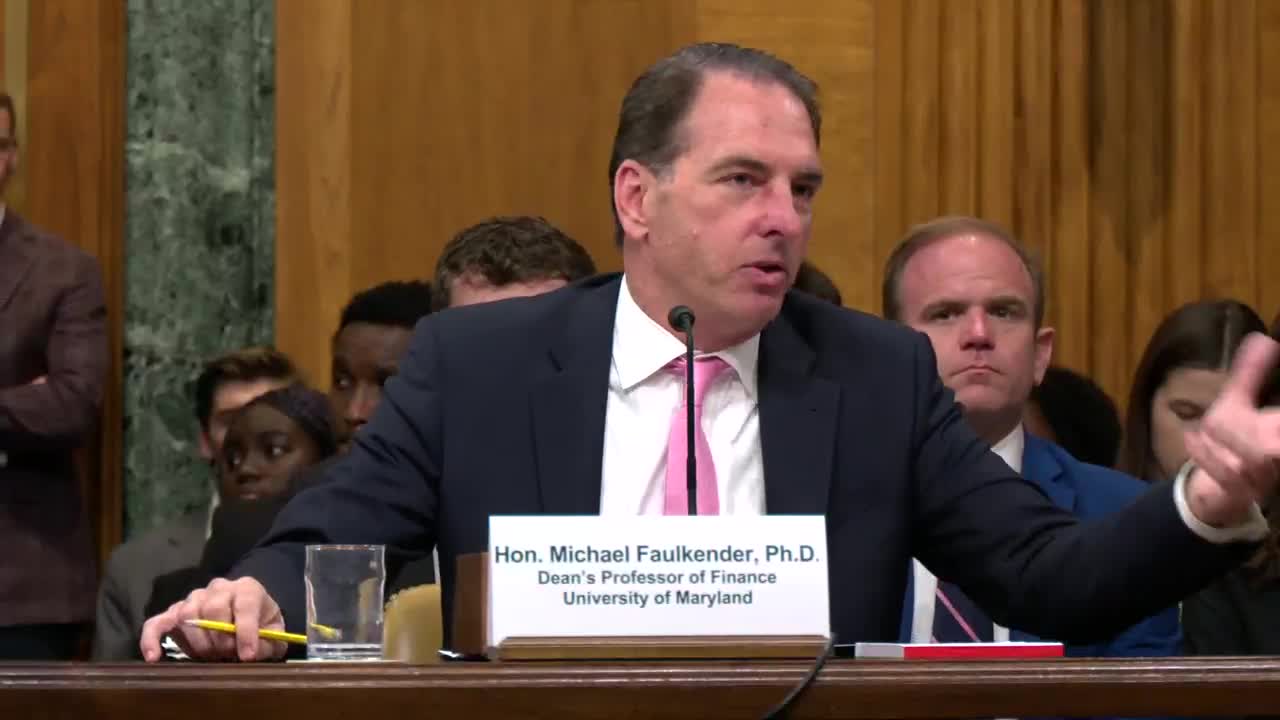
In a recent government meeting, discussions centered on the complexities of the U.S. tax code and its implications for economic equity. One participant emphasized the need to simplify tax regulations, advocating for a system that collects necessary revenue in a straightforward and fair manner. The speaker criticized the current approach, which they described as socially and economically detrimental, and proposed lowering tax rates while broadening the tax base to eliminate preferential treatment for certain individuals or industries.
The conversation also touched on the taxation of high-income earners, particularly billionaires. A debate ensued regarding the appropriate tax rate for the last dollar earned by individuals with substantial incomes, with suggestions that rates could exceed 50% for those earning over a billion dollars annually. This raised questions about the fairness of the tax burden on working-class individuals compared to wealthier citizens who benefit from investment returns.
Senator Jeff Merkley highlighted the disparity in tax rates between working individuals and millionaires, questioning why laborers often face higher marginal rates than those who earn income through investments. He referenced comments made by former President Trump, suggesting that tax policies favoring the wealthy could lead to increased donations from affluent political donors, further entrenching economic inequality.
Economist Joseph Stiglitz contributed to the discussion by asserting that tax policies favoring the wealthy do not benefit ordinary Americans and could harm the overall economy. He argued that a more unequal society tends to perform poorly economically, emphasizing that the current tax code encourages speculation rather than stability, which ultimately disadvantages the average citizen.
The meeting underscored the ongoing debate over tax reform, with participants advocating for a system that promotes fairness and economic stability while addressing the needs of all citizens.
The conversation also touched on the taxation of high-income earners, particularly billionaires. A debate ensued regarding the appropriate tax rate for the last dollar earned by individuals with substantial incomes, with suggestions that rates could exceed 50% for those earning over a billion dollars annually. This raised questions about the fairness of the tax burden on working-class individuals compared to wealthier citizens who benefit from investment returns.
Senator Jeff Merkley highlighted the disparity in tax rates between working individuals and millionaires, questioning why laborers often face higher marginal rates than those who earn income through investments. He referenced comments made by former President Trump, suggesting that tax policies favoring the wealthy could lead to increased donations from affluent political donors, further entrenching economic inequality.
Economist Joseph Stiglitz contributed to the discussion by asserting that tax policies favoring the wealthy do not benefit ordinary Americans and could harm the overall economy. He argued that a more unequal society tends to perform poorly economically, emphasizing that the current tax code encourages speculation rather than stability, which ultimately disadvantages the average citizen.
The meeting underscored the ongoing debate over tax reform, with participants advocating for a system that promotes fairness and economic stability while addressing the needs of all citizens.
Don't Miss a Word: See the Full Meeting!
Go beyond summaries. Unlock every video, transcript, and key insight with a Founder Membership.
✓
Get instant access to full meeting videos
✓
Search and clip any phrase from complete transcripts
✓
Receive AI-powered summaries & custom alerts
✓
Enjoy lifetime, unrestricted access to government data
30-day money-back guarantee
