Florida's insurance crisis spirals towards uninsurable future
June 05, 2024 | Budget: Senate Committee, Standing Committees - House & Senate, Congressional Hearings Compilation, Legislative, Federal
This article was created by AI summarizing key points discussed. AI makes mistakes, so for full details and context, please refer to the video of the full meeting. Please report any errors so we can fix them. Report an error »
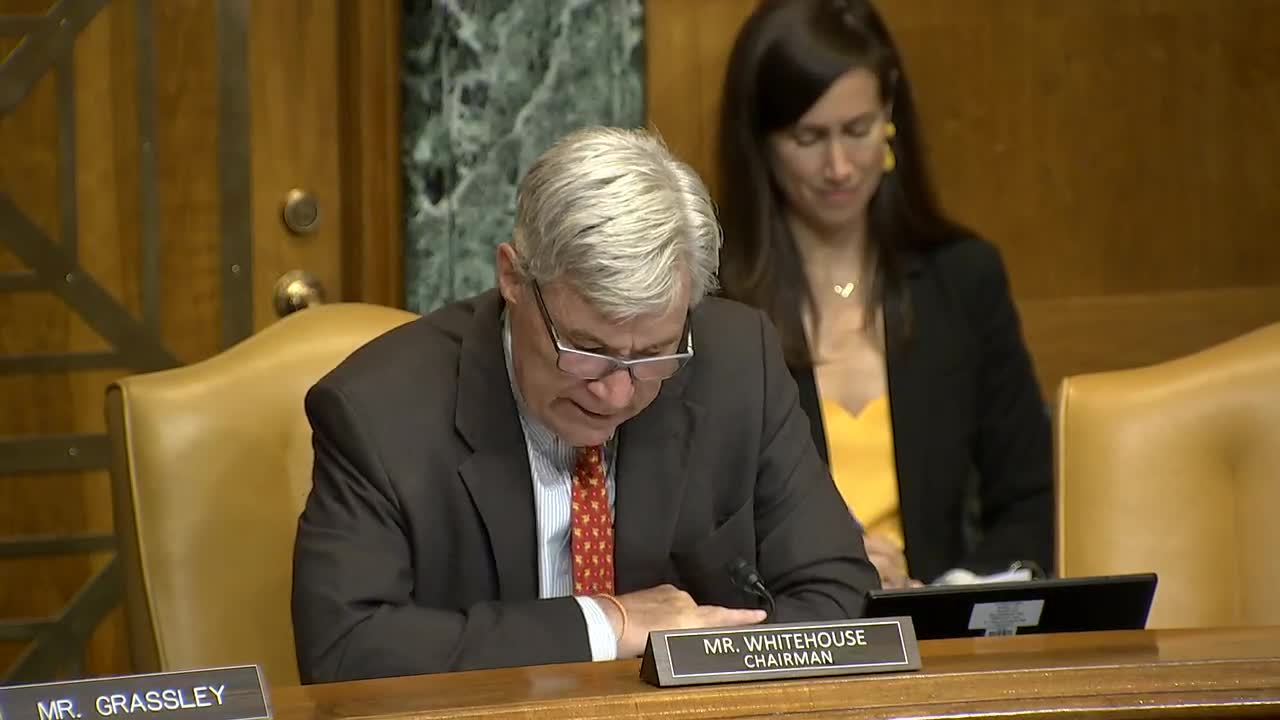
In a recent government meeting, officials highlighted the escalating insurance crisis in Florida, where homeowners are facing unprecedented premium increases. Currently, Florida homeowners pay an average of over $6,000 for insurance—more than three times the national average of $1,700. This figure has doubled since 2020, with predictions indicating that the situation will worsen as the state braces for an above-normal hurricane season, with NOAA forecasting 17 to 25 named storms and 4 to 7 major hurricanes.
The meeting revealed that insured losses in Florida surged by 206% from 2000 to 2018, with over 678,000 insurance claims filed in 2022 alone, 40% of which were hurricane-related. As major insurers exit the Florida market, residents are increasingly turning to Citizens Property Insurance, the state-backed insurer of last resort, which has seen its market share grow from 4% in 2019 to 17% last year. However, if Citizens faces claims that exceed its reserves, it may impose surcharges on policyholders, raising concerns about affordability for many residents.
The discussions also touched on broader implications for the national insurance landscape, with a New York Times investigation revealing that insurers lost money on homeowners coverage in 18 states last year, including Illinois, Michigan, and Iowa. The meeting underscored the growing risks associated with climate change, which are making insurance increasingly unaffordable and, in some cases, uninsurable. This trend raises alarms about potential mortgage defaults and the stability of the federal budget, as many mortgages are backed by insurers like Freddie Mac and Fannie Mae.
Officials warned that the current trajectory mirrors the lead-up to the 2008 mortgage crisis, with inadequate responses to climate risks threatening the economy and property markets nationwide. The meeting concluded with a call for urgent action to address these challenges and ensure the federal government is prepared to respond to natural disasters and emergencies effectively.
The meeting revealed that insured losses in Florida surged by 206% from 2000 to 2018, with over 678,000 insurance claims filed in 2022 alone, 40% of which were hurricane-related. As major insurers exit the Florida market, residents are increasingly turning to Citizens Property Insurance, the state-backed insurer of last resort, which has seen its market share grow from 4% in 2019 to 17% last year. However, if Citizens faces claims that exceed its reserves, it may impose surcharges on policyholders, raising concerns about affordability for many residents.
The discussions also touched on broader implications for the national insurance landscape, with a New York Times investigation revealing that insurers lost money on homeowners coverage in 18 states last year, including Illinois, Michigan, and Iowa. The meeting underscored the growing risks associated with climate change, which are making insurance increasingly unaffordable and, in some cases, uninsurable. This trend raises alarms about potential mortgage defaults and the stability of the federal budget, as many mortgages are backed by insurers like Freddie Mac and Fannie Mae.
Officials warned that the current trajectory mirrors the lead-up to the 2008 mortgage crisis, with inadequate responses to climate risks threatening the economy and property markets nationwide. The meeting concluded with a call for urgent action to address these challenges and ensure the federal government is prepared to respond to natural disasters and emergencies effectively.
Don't Miss a Word: See the Full Meeting!
Go beyond summaries. Unlock every video, transcript, and key insight with a Founder Membership.
✓
Get instant access to full meeting videos
✓
Search and clip any phrase from complete transcripts
✓
Receive AI-powered summaries & custom alerts
✓
Enjoy lifetime, unrestricted access to government data
30-day money-back guarantee
