AI Revolutionizes Industries but Sparks Urgent Regulatory Debate
July 12, 2024 | Commerce, Science, and Transportation: Senate Committee, Standing Committees - House & Senate, Congressional Hearings Compilation, Legislative, Federal
This article was created by AI summarizing key points discussed. AI makes mistakes, so for full details and context, please refer to the video of the full meeting. Please report any errors so we can fix them. Report an error »
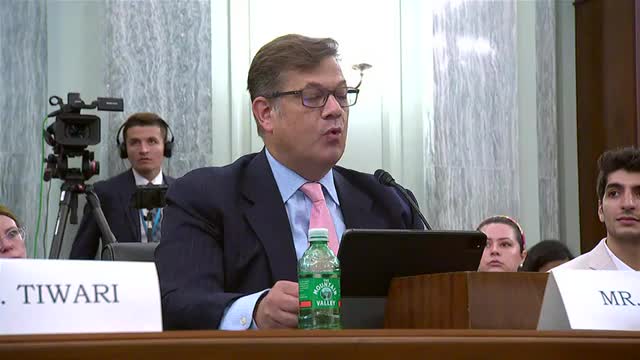
Two notable examples were presented: SwineTech, based in Iowa, is revolutionizing hog farm management through AI-powered sensors that monitor the health of livestock, while Atlanta's MetricMate employs fitness trackers to help users and therapists track fitness goals in real-time. These innovations illustrate the potential of AI in everyday applications, prompting calls for policymakers to focus regulations on areas with significant risks, such as healthcare, rather than imposing blanket restrictions across all sectors.
The discussion also touched on the importance of establishing standards for AI development, advocating for the National Institute of Standards and Technology (NIST) to support industry-led standards rather than acting as a regulatory body. Concerns were raised about the potential for patent abuse, particularly affecting small businesses, as non-U.S. companies dominate patent holdings. The meeting underscored the necessity for fair licensing practices to ensure that American companies remain competitive in the global AI landscape.
Additionally, the conversation shifted to the implications of AI on consumer privacy and data usage. With online advertising now accounting for 68% of total spending, concerns were voiced about the potential for AI to exploit sensitive consumer information, leading to discriminatory pricing practices. Experts warned that without proper safeguards, AI could exacerbate existing inequalities by allowing companies to charge consumers based on their emotional states or purchasing urgency.
The meeting concluded with a consensus on the need for a balanced approach to AI regulation—one that fosters innovation while protecting consumers from potential abuses. As AI continues to evolve, the discussions highlighted the critical role of policymakers in shaping a framework that supports both technological advancement and ethical standards.
View the Full Meeting & All Its Details
This article offers just a summary. Unlock complete video, transcripts, and insights as a Founder Member.
30-day money-back guarantee
