Voting Rights Revolution Expands to Incarcerated Citizens
July 02, 2024 | Nye County , Nevada
This article was created by AI summarizing key points discussed. AI makes mistakes, so for full details and context, please refer to the video of the full meeting. Please report any errors so we can fix them. Report an error »
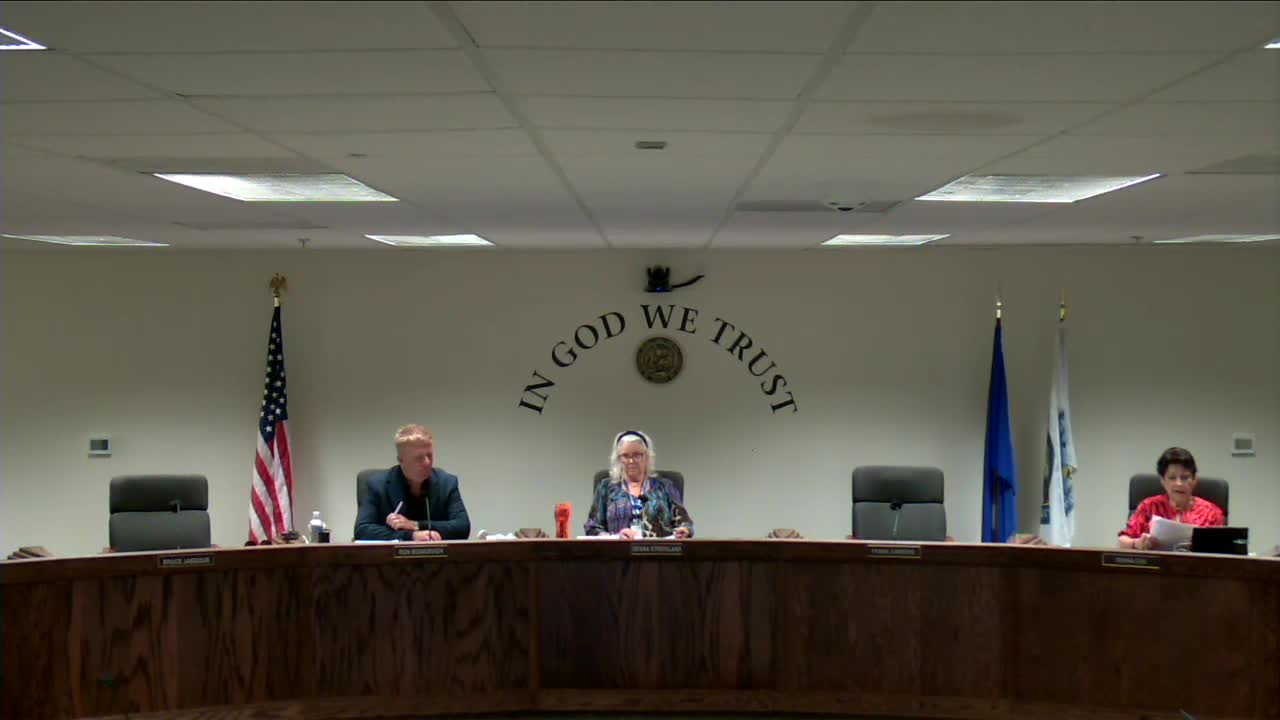
During a recent government meeting, a significant discussion arose regarding the voting rights of incarcerated individuals, sparked by a previous comment made by Commissioner Cox. A letter from a concerned citizen challenged Cox's assertion that felons can vote from prison, labeling it as false and requesting a public retraction at the next Board of County Commissioners (BOCC) meeting on July 2, 2024. The citizen expressed disappointment that other commissioners and the District Attorney did not address the misinformation during the meeting.
The conversation highlighted the complexities surrounding voting rights for those in prison, particularly in light of recent legislative changes. It was noted that certain states, including Vermont, Maine, and Washington D.C., have long allowed incarcerated individuals to vote. In Colorado, a new law (SB 072) was enacted, which mandates that county jails and detention centers facilitate voting for eligible individuals. This law requires the establishment of temporary polling centers within these facilities and outlines the responsibilities of sheriffs to ensure access to voting materials and information.
The law also imposes penalties for non-compliance, with fines of up to $5,000 for violations. This initiative is part of a broader movement led by a coalition advocating for voting rights restoration, which is gaining traction across various states, although some have yet to adopt similar measures.
The meeting underscored the ongoing debate over voting rights for felons and the importance of accurate information in public discourse, as misinformation can exacerbate existing societal divisions. The implications of these legislative changes could reshape the political landscape, allowing a previously disenfranchised population to participate in the electoral process.
The conversation highlighted the complexities surrounding voting rights for those in prison, particularly in light of recent legislative changes. It was noted that certain states, including Vermont, Maine, and Washington D.C., have long allowed incarcerated individuals to vote. In Colorado, a new law (SB 072) was enacted, which mandates that county jails and detention centers facilitate voting for eligible individuals. This law requires the establishment of temporary polling centers within these facilities and outlines the responsibilities of sheriffs to ensure access to voting materials and information.
The law also imposes penalties for non-compliance, with fines of up to $5,000 for violations. This initiative is part of a broader movement led by a coalition advocating for voting rights restoration, which is gaining traction across various states, although some have yet to adopt similar measures.
The meeting underscored the ongoing debate over voting rights for felons and the importance of accurate information in public discourse, as misinformation can exacerbate existing societal divisions. The implications of these legislative changes could reshape the political landscape, allowing a previously disenfranchised population to participate in the electoral process.
View the Full Meeting & All Its Details
This article offers just a summary. Unlock complete video, transcripts, and insights as a Founder Member.
✓
Watch full, unedited meeting videos
✓
Search every word spoken in unlimited transcripts
✓
AI summaries & real-time alerts (all government levels)
✓
Permanent access to expanding government content
30-day money-back guarantee
