Council faces backlash over proposed rollback of minimum wage
September 03, 2024 | Seattle, King County, Washington
This article was created by AI summarizing key points discussed. AI makes mistakes, so for full details and context, please refer to the video of the full meeting. Please report any errors so we can fix them. Report an error »
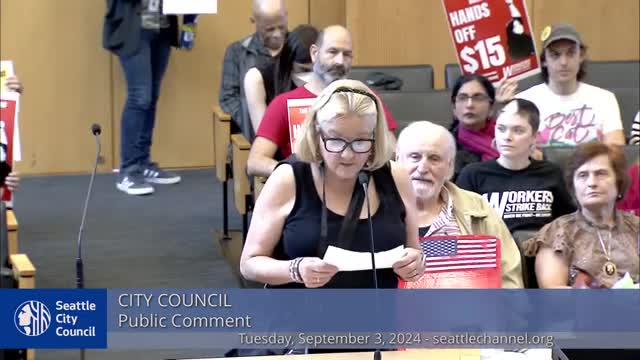
In a recent Seattle City Council meeting, heated discussions centered around proposed changes to the city's minimum wage laws and a new housing program, drawing passionate responses from community members and activists.
The proposed 5% payroll levy on salaries exceeding $1 million was criticized as insufficient to fund a new housing initiative that lacks essential safeguards, such as background checks and rental references. Critics, including speaker Bruce Ramsey, expressed concerns that the program could lead to financial mismanagement and fraud, urging a reevaluation of existing landlord-tenant laws to facilitate small landlords in renting out properties without fear of problematic tenants.
The meeting also saw strong opposition to any attempts to maintain a two-tier minimum wage system, which many speakers argued undermines the historic $15 minimum wage victory in Seattle. Activists like Calvin Priest and Shamash Sawant condemned the council's discussions as an attack on workers, asserting that such measures would perpetuate economic inequality and harm the livelihoods of low-wage workers. They called for solidarity among union members and urged council members to prioritize the needs of working-class citizens over corporate interests.
Several speakers shared personal experiences of struggling to make ends meet under the current wage system, emphasizing the urgent need for fair wages and affordable housing. They argued that the council should focus on taxing large corporations, like Amazon, to support small businesses and workers rather than rolling back hard-won wage protections.
The meeting concluded with a call to action from various community members, urging the council to reject any proposals that would weaken minimum wage laws and to instead implement measures that genuinely support workers and small businesses. The sentiment was clear: the fight for fair wages and housing rights in Seattle is far from over, and the community remains vigilant against any legislative rollbacks.
The proposed 5% payroll levy on salaries exceeding $1 million was criticized as insufficient to fund a new housing initiative that lacks essential safeguards, such as background checks and rental references. Critics, including speaker Bruce Ramsey, expressed concerns that the program could lead to financial mismanagement and fraud, urging a reevaluation of existing landlord-tenant laws to facilitate small landlords in renting out properties without fear of problematic tenants.
The meeting also saw strong opposition to any attempts to maintain a two-tier minimum wage system, which many speakers argued undermines the historic $15 minimum wage victory in Seattle. Activists like Calvin Priest and Shamash Sawant condemned the council's discussions as an attack on workers, asserting that such measures would perpetuate economic inequality and harm the livelihoods of low-wage workers. They called for solidarity among union members and urged council members to prioritize the needs of working-class citizens over corporate interests.
Several speakers shared personal experiences of struggling to make ends meet under the current wage system, emphasizing the urgent need for fair wages and affordable housing. They argued that the council should focus on taxing large corporations, like Amazon, to support small businesses and workers rather than rolling back hard-won wage protections.
The meeting concluded with a call to action from various community members, urging the council to reject any proposals that would weaken minimum wage laws and to instead implement measures that genuinely support workers and small businesses. The sentiment was clear: the fight for fair wages and housing rights in Seattle is far from over, and the community remains vigilant against any legislative rollbacks.
Don't Miss a Word: See the Full Meeting!
Go beyond summaries. Unlock every video, transcript, and key insight with a Founder Membership.
✓
Get instant access to full meeting videos
✓
Search and clip any phrase from complete transcripts
✓
Receive AI-powered summaries & custom alerts
✓
Enjoy lifetime, unrestricted access to government data
30-day money-back guarantee
