Juvenile Justice Faces Crisis Amid Rising Aggression
August 19, 2024 | Spokane County, Washington
This article was created by AI summarizing key points discussed. AI makes mistakes, so for full details and context, please refer to the video of the full meeting. Please report any errors so we can fix them. Report an error »
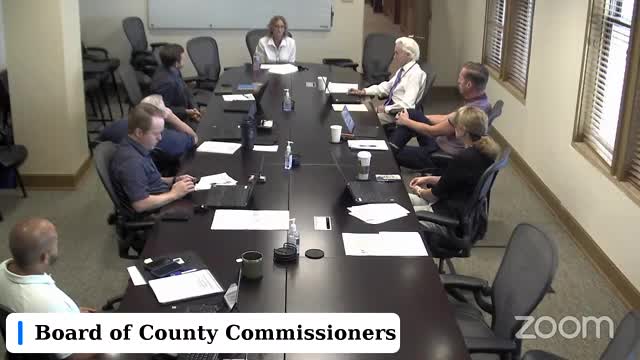
In a recent government meeting, officials discussed significant changes in juvenile justice legislation and the challenges faced by facilities managing young offenders. A key topic was the potential raising of the age of jurisdiction, which would allow more counties to handle cases involving older youth under school jurisdiction. This change aims to address the pressing issue of housing juveniles separately from adults, a necessity highlighted by the increasing complexity of cases involving older youth.
The meeting revealed a concerning trend in the behavior of juveniles, with officials noting a marked increase in aggression and difficulty in managing youth in custody. A long-serving juvenile court professional shared insights from over three decades of experience, stating that the current cohort of youth exhibits unprecedented levels of anger and aggression, often stemming from backgrounds of trauma exacerbated by the COVID-19 pandemic. This shift has necessitated changes in management strategies within facilities, as staff face heightened risks and challenges in maintaining safety.
Legislation passed in 2021 has further complicated the situation, imposing strict regulations on the isolation of juveniles for behavioral issues. Staff must now conduct regular checks on isolated youth, significantly increasing the workload and resource demands on facilities. The discussion underscored the need for mental health professionals and nursing staff, which are not mandated by law but are critical for the well-being of the youth.
As the meeting progressed, officials expressed concern over upcoming funding renewals, emphasizing that failure to secure necessary funding could lead to cuts in essential programs. The current budget structure was outlined, revealing that a substantial portion of funding is allocated to detention and electronic monitoring, with limited discretionary resources available for additional support services.
Overall, the meeting highlighted the urgent need for legislative support and funding to address the evolving challenges in juvenile justice, particularly as facilities adapt to the changing dynamics of youth behavior and the legal landscape.
The meeting revealed a concerning trend in the behavior of juveniles, with officials noting a marked increase in aggression and difficulty in managing youth in custody. A long-serving juvenile court professional shared insights from over three decades of experience, stating that the current cohort of youth exhibits unprecedented levels of anger and aggression, often stemming from backgrounds of trauma exacerbated by the COVID-19 pandemic. This shift has necessitated changes in management strategies within facilities, as staff face heightened risks and challenges in maintaining safety.
Legislation passed in 2021 has further complicated the situation, imposing strict regulations on the isolation of juveniles for behavioral issues. Staff must now conduct regular checks on isolated youth, significantly increasing the workload and resource demands on facilities. The discussion underscored the need for mental health professionals and nursing staff, which are not mandated by law but are critical for the well-being of the youth.
As the meeting progressed, officials expressed concern over upcoming funding renewals, emphasizing that failure to secure necessary funding could lead to cuts in essential programs. The current budget structure was outlined, revealing that a substantial portion of funding is allocated to detention and electronic monitoring, with limited discretionary resources available for additional support services.
Overall, the meeting highlighted the urgent need for legislative support and funding to address the evolving challenges in juvenile justice, particularly as facilities adapt to the changing dynamics of youth behavior and the legal landscape.
View the Full Meeting & All Its Details
This article offers just a summary. Unlock complete video, transcripts, and insights as a Founder Member.
✓
Watch full, unedited meeting videos
✓
Search every word spoken in unlimited transcripts
✓
AI summaries & real-time alerts (all government levels)
✓
Permanent access to expanding government content
30-day money-back guarantee
