Kirkland faces housing crisis amid rising costs and density debates
September 03, 2024 | Kirkland, King County, Washington
This article was created by AI summarizing key points discussed. AI makes mistakes, so for full details and context, please refer to the video of the full meeting. Please report any errors so we can fix them. Report an error »
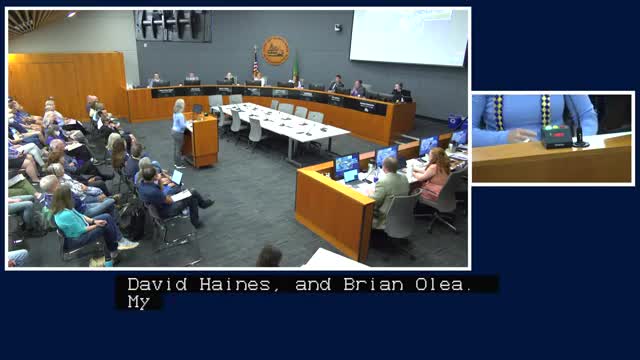
During a recent government meeting in Kirkland, community members voiced their concerns regarding the city's affordable housing crisis and the implications of proposed zoning changes. A resident from the Boat neighborhood highlighted that Kirkland's rising housing prices, driven by a booming tech sector, reflect the city's success but pose significant challenges for many residents. The speaker emphasized that the current policy requiring 10% of new developments to be affordable is inadequate, suggesting that achieving the ambitious target of 75,100 affordable units would necessitate constructing 75,000 total units, which is impractical given the city's infrastructure constraints.
Concerns were raised about proposed zoning changes that could allow for high-density multifamily housing, potentially increasing units from less than 10 to over 200 per acre. The resident warned that such drastic changes could lead to severe traffic congestion and alter the character of Kirkland, stressing that the reliance on public transit for new residents is unrealistic, given the current limitations of local transit services.
Another speaker, David Haynes, urged the city council to reject synthetic turf due to environmental concerns, citing its negative impacts on health and the ecosystem. He criticized the petitioners opposing housing developments, arguing that their actions deny fellow residents access to modern housing solutions. Haynes also pointed out that many signatures on the petition against housing came from non-residents, questioning the legitimacy of their claims.
The meeting underscored the tension between the need for affordable housing and the community's desire to maintain the quality of life in Kirkland, as residents grapple with the implications of growth and development in their neighborhoods.
Concerns were raised about proposed zoning changes that could allow for high-density multifamily housing, potentially increasing units from less than 10 to over 200 per acre. The resident warned that such drastic changes could lead to severe traffic congestion and alter the character of Kirkland, stressing that the reliance on public transit for new residents is unrealistic, given the current limitations of local transit services.
Another speaker, David Haynes, urged the city council to reject synthetic turf due to environmental concerns, citing its negative impacts on health and the ecosystem. He criticized the petitioners opposing housing developments, arguing that their actions deny fellow residents access to modern housing solutions. Haynes also pointed out that many signatures on the petition against housing came from non-residents, questioning the legitimacy of their claims.
The meeting underscored the tension between the need for affordable housing and the community's desire to maintain the quality of life in Kirkland, as residents grapple with the implications of growth and development in their neighborhoods.
View the Full Meeting & All Its Details
This article offers just a summary. Unlock complete video, transcripts, and insights as a Founder Member.
✓
Watch full, unedited meeting videos
✓
Search every word spoken in unlimited transcripts
✓
AI summaries & real-time alerts (all government levels)
✓
Permanent access to expanding government content
30-day money-back guarantee
