Extreme heat wave disrupts transportation across the nation
This article was created by AI summarizing key points discussed. AI makes mistakes, so for full details and context, please refer to the video of the full meeting. Please report any errors so we can fix them. Report an error »
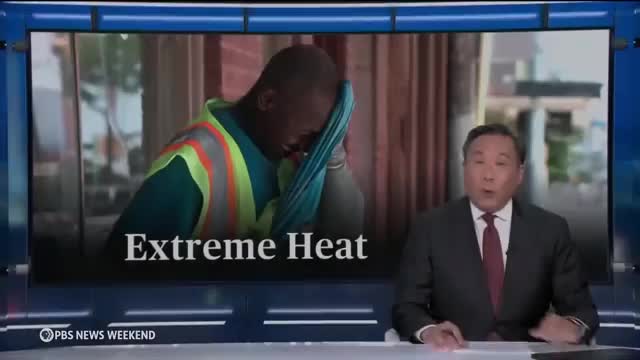
An unprecedented heat wave is gripping the western United States, with forecasts predicting the extreme temperatures will spread to the Midwest and East this weekend. Scientists attribute much of this heat to long-term greenhouse gas emissions, which are impacting various sectors, including transportation infrastructure.
Christina Dahl, principal climate scientist at the Union of Concerned Scientists, highlighted the significant effects of extreme heat on cars, trains, and airplanes. Asphalt roads can deform under high temperatures, complicating road travel. Similarly, railroads are vulnerable, as heat can cause tracks to buckle and overhead electric lines to sag, leading to slower train operations. Airports are also affected; hot tarmac can deform, and the less dense air makes it challenging for planes to achieve the necessary thrust for takeoff.
Dahl noted that the current infrastructure was designed for a climate that no longer exists, emphasizing the urgent need for adaptation. The bipartisan infrastructure law presents a crucial opportunity to upgrade and improve transportation systems, with hopes that future developments will consider climate resilience.
The meeting also addressed the disproportionate impact of extreme weather on marginalized communities. Urban areas lacking shade trees, often home to people of color, face heightened risks from extreme heat. Additionally, over 1,600 pieces of infrastructure are at risk from sea level rise, with more than half located in disadvantaged communities.
Dahl underscored the importance of trees in urban environments, not only for shade but also for their role in air purification and cooling effects. As climate change continues to alter weather patterns, the link between extreme weather events and climate change becomes increasingly evident, with heat waves and intensified hurricanes becoming more common.
The discussions at the meeting reflect a growing recognition of the need for proactive measures to address the challenges posed by climate change, particularly in transportation and infrastructure resilience.
Christina Dahl, principal climate scientist at the Union of Concerned Scientists, highlighted the significant effects of extreme heat on cars, trains, and airplanes. Asphalt roads can deform under high temperatures, complicating road travel. Similarly, railroads are vulnerable, as heat can cause tracks to buckle and overhead electric lines to sag, leading to slower train operations. Airports are also affected; hot tarmac can deform, and the less dense air makes it challenging for planes to achieve the necessary thrust for takeoff.
Dahl noted that the current infrastructure was designed for a climate that no longer exists, emphasizing the urgent need for adaptation. The bipartisan infrastructure law presents a crucial opportunity to upgrade and improve transportation systems, with hopes that future developments will consider climate resilience.
The meeting also addressed the disproportionate impact of extreme weather on marginalized communities. Urban areas lacking shade trees, often home to people of color, face heightened risks from extreme heat. Additionally, over 1,600 pieces of infrastructure are at risk from sea level rise, with more than half located in disadvantaged communities.
Dahl underscored the importance of trees in urban environments, not only for shade but also for their role in air purification and cooling effects. As climate change continues to alter weather patterns, the link between extreme weather events and climate change becomes increasingly evident, with heat waves and intensified hurricanes becoming more common.
The discussions at the meeting reflect a growing recognition of the need for proactive measures to address the challenges posed by climate change, particularly in transportation and infrastructure resilience.
View the Full Meeting & All Its Details
This article offers just a summary. Unlock complete video, transcripts, and insights as a Founder Member.
✓
Watch full, unedited meeting videos
✓
Search every word spoken in unlimited transcripts
✓
AI summaries & real-time alerts (all government levels)
✓
Permanent access to expanding government content
30-day money-back guarantee
