Supreme Court reshapes power with historic rulings
This article was created by AI summarizing key points discussed. AI makes mistakes, so for full details and context, please refer to the video of the full meeting. Please report any errors so we can fix them. Report an error »
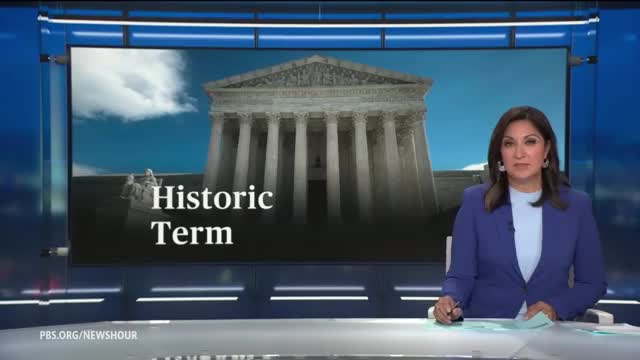
The Supreme Court concluded a pivotal term this week, delivering significant rulings that could reshape the landscape of American governance for years to come. Among the most consequential decisions was the affirmation of presidential immunity from prosecution, a ruling that underscores a robust interpretation of executive power by the court's conservative supermajority. Legal experts suggest this decision not only strengthens the presidency but also complicates ongoing legal challenges against former President Donald Trump.
Joan Biskupic, CNN's senior Supreme Court analyst, emphasized the long-term implications of this ruling, noting it reflects a bold assertion of executive authority under Chief Justice John Roberts. Steve Vladeck, a law professor at Georgetown University, added that the court appears to be enhancing presidential power while simultaneously limiting the authority of federal agencies and Congress, indicating a strategic shift in the balance of power within the federal government.
Abortion rights also remained a focal point during this term, particularly following the landmark Dobbs decision that overturned constitutional protections for abortion. The court opted not to make definitive rulings on two significant cases related to abortion medication and emergency access, which some analysts viewed as a strategic retreat. Biskupic noted that the court's decision to allow a complete ban on emergency abortions in Idaho to take effect was unexpected and suggested a readiness to engage with cases that could further restrict abortion access.
The ideological divides within the court were stark, with a notable increase in 6-3 splits along conservative and liberal lines. This trend raises questions about the court's direction and its responsiveness to public sentiment, especially as trust in the institution has waned significantly in recent years. Recent reports have highlighted ethical concerns surrounding the justices, further complicating their relationship with the public.
Looking ahead, both analysts expressed concern about the court's trajectory. Biskupic described this term as a turning point, particularly regarding the court's stance on presidential power and its implications for the judiciary. Vladeck echoed this sentiment, suggesting that the current term represents the most aggressive restructuring of federal authority since the New Deal era.
As the Supreme Court prepares for its next term, the implications of this year's decisions will likely resonate throughout American politics and governance, shaping the contours of executive power, agency authority, and civil rights for the foreseeable future.
Joan Biskupic, CNN's senior Supreme Court analyst, emphasized the long-term implications of this ruling, noting it reflects a bold assertion of executive authority under Chief Justice John Roberts. Steve Vladeck, a law professor at Georgetown University, added that the court appears to be enhancing presidential power while simultaneously limiting the authority of federal agencies and Congress, indicating a strategic shift in the balance of power within the federal government.
Abortion rights also remained a focal point during this term, particularly following the landmark Dobbs decision that overturned constitutional protections for abortion. The court opted not to make definitive rulings on two significant cases related to abortion medication and emergency access, which some analysts viewed as a strategic retreat. Biskupic noted that the court's decision to allow a complete ban on emergency abortions in Idaho to take effect was unexpected and suggested a readiness to engage with cases that could further restrict abortion access.
The ideological divides within the court were stark, with a notable increase in 6-3 splits along conservative and liberal lines. This trend raises questions about the court's direction and its responsiveness to public sentiment, especially as trust in the institution has waned significantly in recent years. Recent reports have highlighted ethical concerns surrounding the justices, further complicating their relationship with the public.
Looking ahead, both analysts expressed concern about the court's trajectory. Biskupic described this term as a turning point, particularly regarding the court's stance on presidential power and its implications for the judiciary. Vladeck echoed this sentiment, suggesting that the current term represents the most aggressive restructuring of federal authority since the New Deal era.
As the Supreme Court prepares for its next term, the implications of this year's decisions will likely resonate throughout American politics and governance, shaping the contours of executive power, agency authority, and civil rights for the foreseeable future.
Don't Miss a Word: See the Full Meeting!
Go beyond summaries. Unlock every video, transcript, and key insight with a Founder Membership.
✓
Get instant access to full meeting videos
✓
Search and clip any phrase from complete transcripts
✓
Receive AI-powered summaries & custom alerts
✓
Enjoy lifetime, unrestricted access to government data
30-day money-back guarantee
