US Allows Iranian Polling Stations Amid Tensions
This article was created by AI summarizing key points discussed. AI makes mistakes, so for full details and context, please refer to the video of the full meeting. Please report any errors so we can fix them. Report an error »
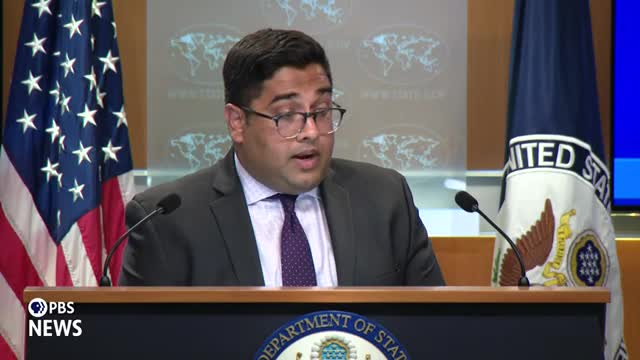
During a recent government meeting, discussions centered on the controversial decision to allow polling stations for Iranian citizens on U.S. soil. A participant raised concerns about the implications of this decision, questioning whether it was based on a treaty or diplomatic norms, especially given the U.S.'s history of imposing sanctions on Iran and its designation of the Iranian government as a suppressor of dissidents.
In response, officials clarified that while foreign governments can conduct election-related activities in the U.S., they must comply with U.S. laws and regulations. They emphasized the importance of respecting the rights of Iranian citizens, whether they choose to protest or participate in Iran's elections. It was noted that Iran has previously engaged in similar activities in the U.S., indicating that this is not an unprecedented occurrence.
The conversation also touched on the reliability of information released by the Iranian government, particularly regarding its nuclear activities. Officials expressed skepticism about Iran's credibility, stating that this lack of trust extends to various claims, including those related to uranium enrichment and oil exports. The U.S. has insisted on Iran allowing the International Atomic Energy Agency (IAEA) access to ensure compliance with international agreements.
Additionally, the meeting addressed rising tensions in the region, particularly concerning Israel's potential military actions in Lebanon. Officials reiterated that restoring calm along the Israel-Lebanon border is a top priority for the U.S. They are actively seeking diplomatic solutions to ensure peace and security for both Israeli and Lebanese citizens, while also referencing a ceasefire proposal put forth by President Biden aimed at stabilizing the situation.
Overall, the discussions highlighted the complexities of U.S. foreign policy regarding Iran and the broader Middle East, emphasizing a commitment to diplomatic engagement while navigating sensitive geopolitical issues.
In response, officials clarified that while foreign governments can conduct election-related activities in the U.S., they must comply with U.S. laws and regulations. They emphasized the importance of respecting the rights of Iranian citizens, whether they choose to protest or participate in Iran's elections. It was noted that Iran has previously engaged in similar activities in the U.S., indicating that this is not an unprecedented occurrence.
The conversation also touched on the reliability of information released by the Iranian government, particularly regarding its nuclear activities. Officials expressed skepticism about Iran's credibility, stating that this lack of trust extends to various claims, including those related to uranium enrichment and oil exports. The U.S. has insisted on Iran allowing the International Atomic Energy Agency (IAEA) access to ensure compliance with international agreements.
Additionally, the meeting addressed rising tensions in the region, particularly concerning Israel's potential military actions in Lebanon. Officials reiterated that restoring calm along the Israel-Lebanon border is a top priority for the U.S. They are actively seeking diplomatic solutions to ensure peace and security for both Israeli and Lebanese citizens, while also referencing a ceasefire proposal put forth by President Biden aimed at stabilizing the situation.
Overall, the discussions highlighted the complexities of U.S. foreign policy regarding Iran and the broader Middle East, emphasizing a commitment to diplomatic engagement while navigating sensitive geopolitical issues.
View the Full Meeting & All Its Details
This article offers just a summary. Unlock complete video, transcripts, and insights as a Founder Member.
✓
Watch full, unedited meeting videos
✓
Search every word spoken in unlimited transcripts
✓
AI summaries & real-time alerts (all government levels)
✓
Permanent access to expanding government content
30-day money-back guarantee
