Women in Bangladesh face reproductive health crisis from climate change
This article was created by AI summarizing key points discussed. AI makes mistakes, so for full details and context, please refer to the video of the full meeting. Please report any errors so we can fix them. Report an error »
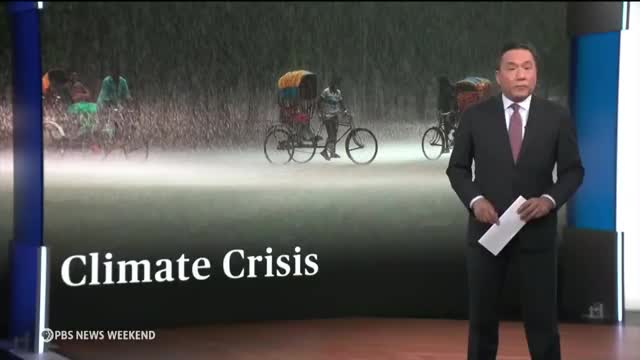
Bangladesh is facing a dual crisis as the impacts of climate change exacerbate existing vulnerabilities, particularly for women and girls. Recent research highlights that the country, already grappling with severe flooding affecting over two million people, is witnessing significant shifts in women's reproductive health and family planning decisions due to the climate crisis.
Sally Dijkerman, a senior researcher at Ipass, a reproductive justice organization, emphasized that women are disproportionately affected by climate-related disasters. The intense storms and flooding have led to increased rates of miscarriage, pregnancy complications, and premature labor. Many women are forced to evacuate to cyclone shelters, which often lack adequate medical care and sanitation facilities, further jeopardizing their health.
The psychological toll of these disasters is also profound. Women are increasingly hesitant to have children amid the instability caused by extreme weather events. Some express a desire to have more children as a protective measure against potential loss during storms, reflecting a complex interplay of fear and survival instincts.
Moreover, the economic instability driven by climate change is contributing to a rise in child marriages. Families facing financial hardship are marrying off daughters as a coping mechanism, seeking dowry payments and reducing household burdens. This trend is coupled with an increase in violence against women, both from economic stress and unsafe conditions in cyclone shelters, where inadequate security and facilities expose women and girls to harassment.
In response to these challenges, women in Bangladesh are organizing and advocating for change. They are participating in disaster risk management committees and demanding better access to reproductive health services and decent work opportunities. As climate change continues to threaten livelihoods and safety, the situation in Bangladesh may serve as a harbinger for similar crises in other vulnerable regions worldwide, underscoring the urgent need for comprehensive support and intervention.
Sally Dijkerman, a senior researcher at Ipass, a reproductive justice organization, emphasized that women are disproportionately affected by climate-related disasters. The intense storms and flooding have led to increased rates of miscarriage, pregnancy complications, and premature labor. Many women are forced to evacuate to cyclone shelters, which often lack adequate medical care and sanitation facilities, further jeopardizing their health.
The psychological toll of these disasters is also profound. Women are increasingly hesitant to have children amid the instability caused by extreme weather events. Some express a desire to have more children as a protective measure against potential loss during storms, reflecting a complex interplay of fear and survival instincts.
Moreover, the economic instability driven by climate change is contributing to a rise in child marriages. Families facing financial hardship are marrying off daughters as a coping mechanism, seeking dowry payments and reducing household burdens. This trend is coupled with an increase in violence against women, both from economic stress and unsafe conditions in cyclone shelters, where inadequate security and facilities expose women and girls to harassment.
In response to these challenges, women in Bangladesh are organizing and advocating for change. They are participating in disaster risk management committees and demanding better access to reproductive health services and decent work opportunities. As climate change continues to threaten livelihoods and safety, the situation in Bangladesh may serve as a harbinger for similar crises in other vulnerable regions worldwide, underscoring the urgent need for comprehensive support and intervention.
Don't Miss a Word: See the Full Meeting!
Go beyond summaries. Unlock every video, transcript, and key insight with a Founder Membership.
✓
Get instant access to full meeting videos
✓
Search and clip any phrase from complete transcripts
✓
Receive AI-powered summaries & custom alerts
✓
Enjoy lifetime, unrestricted access to government data
30-day money-back guarantee
