Senators clash over AI regulation and political speech limits
July 31, 2024 | Commerce, Science, and Transportation: Senate Committee, Standing Committees - House & Senate, Congressional Hearings Compilation, Legislative, Federal
This article was created by AI summarizing key points discussed. AI makes mistakes, so for full details and context, please refer to the video of the full meeting. Please report any errors so we can fix them. Report an error »
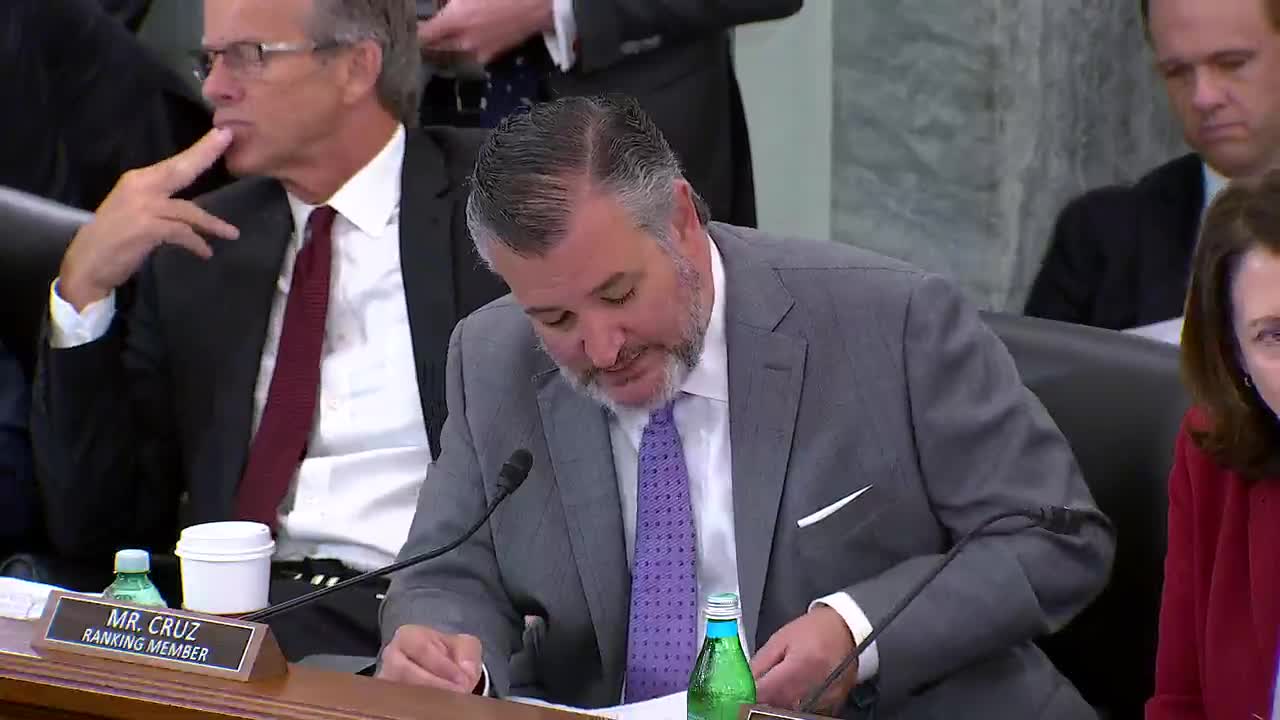
Senator Klobuchar echoed Thune's sentiments, highlighting the bipartisan support for the bill and its importance in creating foundational regulations for AI. The bill is designed to ensure that deployers of AI systems submit transparency reports to the Department of Commerce without compromising sensitive data.
The meeting also addressed concerns regarding the Federal Communications Commission (FCC) and its authority over political speech. Senator Schmidt introduced an amendment aimed at preventing the FCC from imposing controls on political speech, citing First Amendment rights. He warned against empowering an agency without legal authority to censor political discourse, especially with the upcoming 2024 elections.
However, other senators, including Klobuchar, argued against the amendment, asserting that it could hinder the FCC's ability to regulate political advertising and misinformation, particularly in the context of AI-generated content. The amendment ultimately failed, with a vote tally of 14 against and 12 in favor.
The meeting concluded with a motion to favorably report the underlying bill concerning consumer standards for lithium-ion batteries, indicating ongoing legislative efforts to address both technological advancements and regulatory challenges.
Don't Miss a Word: See the Full Meeting!
Go beyond summaries. Unlock every video, transcript, and key insight with a Founder Membership.
30-day money-back guarantee
