Senate confirmation process faces urgent calls for reform
July 30, 2024 | Rules and Administration: Senate Committee, Standing Committees - House & Senate, Congressional Hearings Compilation, Legislative, Federal
This article was created by AI summarizing key points discussed. AI makes mistakes, so for full details and context, please refer to the video of the full meeting. Please report any errors so we can fix them. Report an error »
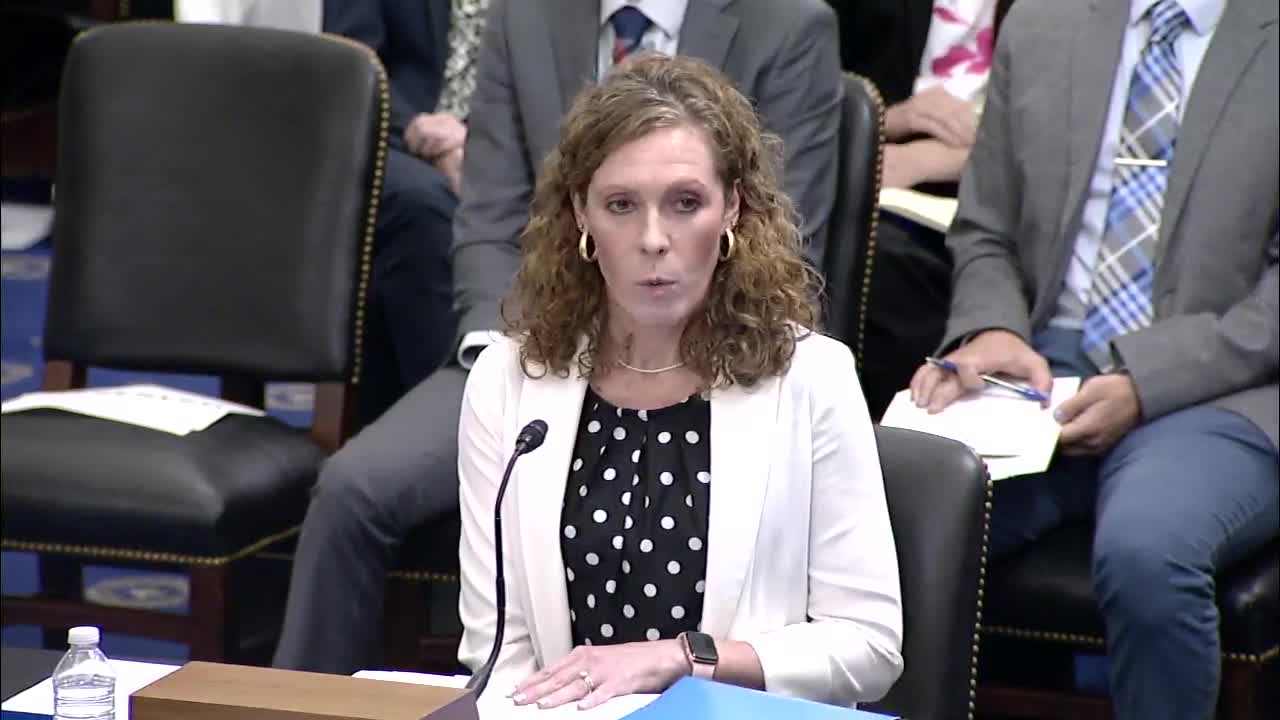
In a recent government meeting, the Senate's confirmation process for presidential appointees was highlighted as a critical area in need of reform. Sean Stiff, a legislative attorney from the Congressional Research Service, emphasized the importance of strong leadership in effective agency performance and service delivery, particularly in the context of the Senate's constitutional role in confirming nominees.
Stiff presented alarming statistics regarding the increasing delays in the confirmation process. Since 1960, the number of Senate-confirmed positions has surged by over 70%, from 779 to approximately 1,340. The average time taken to confirm nominees has escalated dramatically—from 49 days during President Reagan's first term to 182 days for President Biden's current term. This shift has resulted in over 60% of Senate votes now being dedicated to nominations, a stark contrast to the 1990s when legislative votes dominated.
The prolonged confirmation process has significant implications, Stiff noted, causing vacancies that hinder government operations and diminish agency performance. He pointed out that the national security sector has been particularly affected, with only 27% of top national security positions filled on the 20th anniversary of the September 11 attacks, despite a recommendation from a bipartisan commission for expedited confirmations.
To address these challenges, Stiff proposed several reforms, including a bundling model for nominations to allow for grouped votes and improvements to the Senate's privileged calendar. He stressed that any process changes must be accompanied by a reduction in the number of positions requiring Senate confirmation to ensure efficiency.
Stiff concluded by underscoring the urgency of reforming the confirmation process, framing it as not only a matter of good governance but also a national security, public health, and economic imperative. The meeting underscored a collective commitment among senators to tackle these pressing issues and enhance the effectiveness of government leadership.
Stiff presented alarming statistics regarding the increasing delays in the confirmation process. Since 1960, the number of Senate-confirmed positions has surged by over 70%, from 779 to approximately 1,340. The average time taken to confirm nominees has escalated dramatically—from 49 days during President Reagan's first term to 182 days for President Biden's current term. This shift has resulted in over 60% of Senate votes now being dedicated to nominations, a stark contrast to the 1990s when legislative votes dominated.
The prolonged confirmation process has significant implications, Stiff noted, causing vacancies that hinder government operations and diminish agency performance. He pointed out that the national security sector has been particularly affected, with only 27% of top national security positions filled on the 20th anniversary of the September 11 attacks, despite a recommendation from a bipartisan commission for expedited confirmations.
To address these challenges, Stiff proposed several reforms, including a bundling model for nominations to allow for grouped votes and improvements to the Senate's privileged calendar. He stressed that any process changes must be accompanied by a reduction in the number of positions requiring Senate confirmation to ensure efficiency.
Stiff concluded by underscoring the urgency of reforming the confirmation process, framing it as not only a matter of good governance but also a national security, public health, and economic imperative. The meeting underscored a collective commitment among senators to tackle these pressing issues and enhance the effectiveness of government leadership.
View the Full Meeting & All Its Details
This article offers just a summary. Unlock complete video, transcripts, and insights as a Founder Member.
✓
Watch full, unedited meeting videos
✓
Search every word spoken in unlimited transcripts
✓
AI summaries & real-time alerts (all government levels)
✓
Permanent access to expanding government content
30-day money-back guarantee
