Parents demand urgent reforms for dyslexia support in schools
June 04, 2024 | Education, Boards and Commissions, Organizations , Executive, Michigan
This article was created by AI summarizing key points discussed. AI makes mistakes, so for full details and context, please refer to the video of the full meeting. Please report any errors so we can fix them. Report an error »
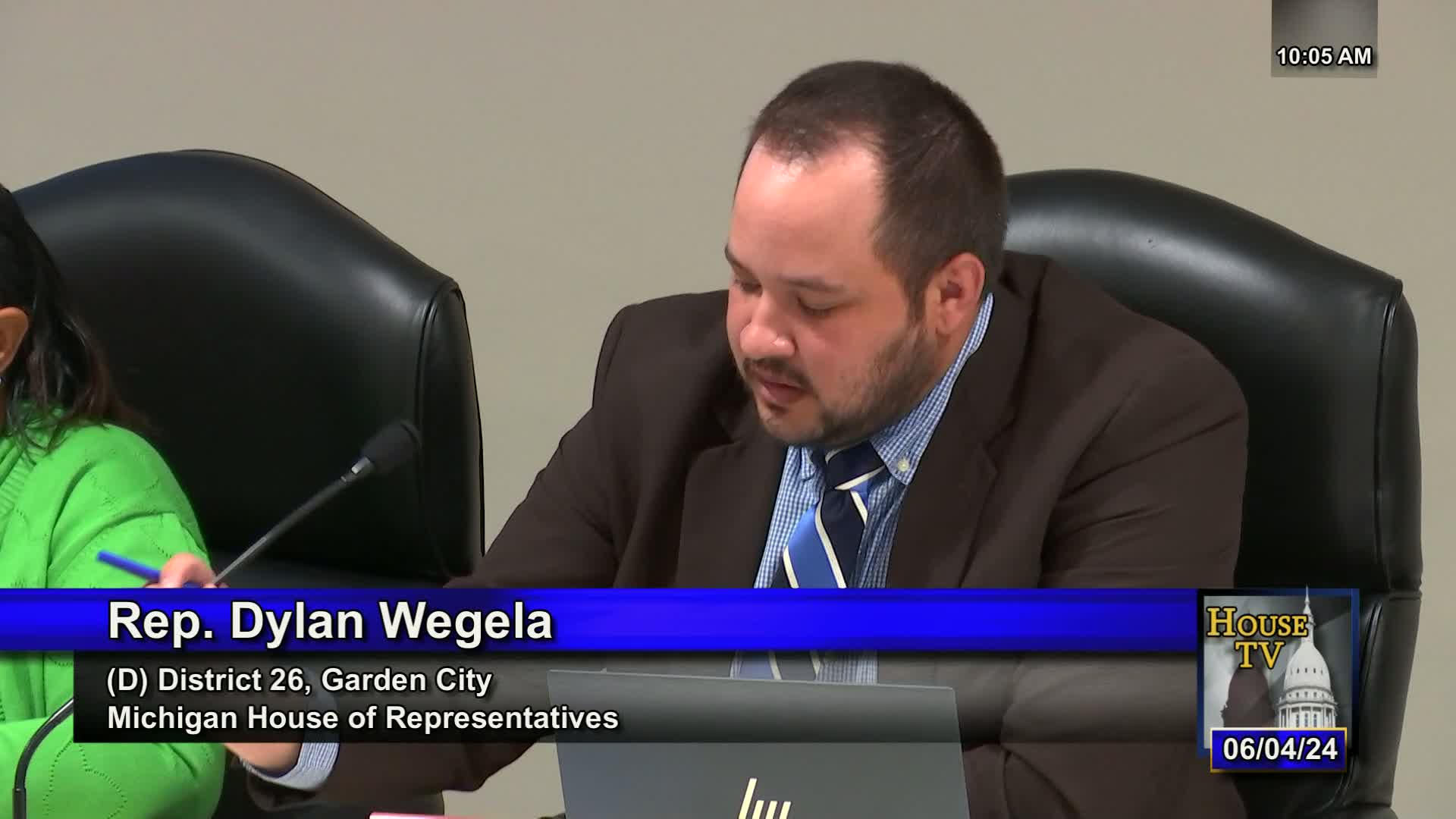
In a recent government meeting, discussions centered on the challenges and systemic changes needed in the education system, particularly regarding special education and reading instruction. A significant point raised was the ongoing struggle to recruit qualified special education teachers, with 28 positions filled in the county, yet a continuous need for staff remains.
Concerns were voiced about the pressure placed on teachers to implement systemic changes in reading instruction without adequate support from administrators. One speaker highlighted that many administrators, particularly superintendents, often lack a comprehensive understanding of reading progression, which hampers their ability to effectively support teachers.
The meeting also featured a poignant testimony from 8-year-old Heidi King, who shared her personal journey with dyslexia. Heidi described her initial struggles with reading, feeling isolated and frustrated compared to her peers. With the help of a private tutor trained in specialized methods, she has made significant progress, moving from a kindergarten reading level to the end of third grade. However, her mother emphasized the challenges faced by families who cannot afford private tutoring, raising concerns about the educational system's ability to identify and support students with dyslexia early on.
Heidi's mother criticized the delays in providing necessary interventions, noting that their family had to seek private evaluation and tutoring after the school system deemed Heidi ineligible for an Individualized Education Program (IEP) due to a lack of clear patterns in her strengths and weaknesses. She called for earlier detection and integration of proven reading methods in schools to prevent students from falling behind.
The meeting concluded with a commitment to continue discussions on these critical issues, as many voices remain unheard. The Michigan Association of Intermediate School Administrators (MAISA) expressed their dedication to improving practices for identifying and supporting students with dyslexia, underscoring the need for systemic change in educational support structures.
Concerns were voiced about the pressure placed on teachers to implement systemic changes in reading instruction without adequate support from administrators. One speaker highlighted that many administrators, particularly superintendents, often lack a comprehensive understanding of reading progression, which hampers their ability to effectively support teachers.
The meeting also featured a poignant testimony from 8-year-old Heidi King, who shared her personal journey with dyslexia. Heidi described her initial struggles with reading, feeling isolated and frustrated compared to her peers. With the help of a private tutor trained in specialized methods, she has made significant progress, moving from a kindergarten reading level to the end of third grade. However, her mother emphasized the challenges faced by families who cannot afford private tutoring, raising concerns about the educational system's ability to identify and support students with dyslexia early on.
Heidi's mother criticized the delays in providing necessary interventions, noting that their family had to seek private evaluation and tutoring after the school system deemed Heidi ineligible for an Individualized Education Program (IEP) due to a lack of clear patterns in her strengths and weaknesses. She called for earlier detection and integration of proven reading methods in schools to prevent students from falling behind.
The meeting concluded with a commitment to continue discussions on these critical issues, as many voices remain unheard. The Michigan Association of Intermediate School Administrators (MAISA) expressed their dedication to improving practices for identifying and supporting students with dyslexia, underscoring the need for systemic change in educational support structures.
Don't Miss a Word: See the Full Meeting!
Go beyond summaries. Unlock every video, transcript, and key insight with a Founder Membership.
✓
Get instant access to full meeting videos
✓
Search and clip any phrase from complete transcripts
✓
Receive AI-powered summaries & custom alerts
✓
Enjoy lifetime, unrestricted access to government data
30-day money-back guarantee
