Educators raise alarm over new literacy bill challenges
June 04, 2024 | Education, Boards and Commissions, Organizations , Executive, Michigan
This article was created by AI summarizing key points discussed. AI makes mistakes, so for full details and context, please refer to the video of the full meeting. Please report any errors so we can fix them. Report an error »
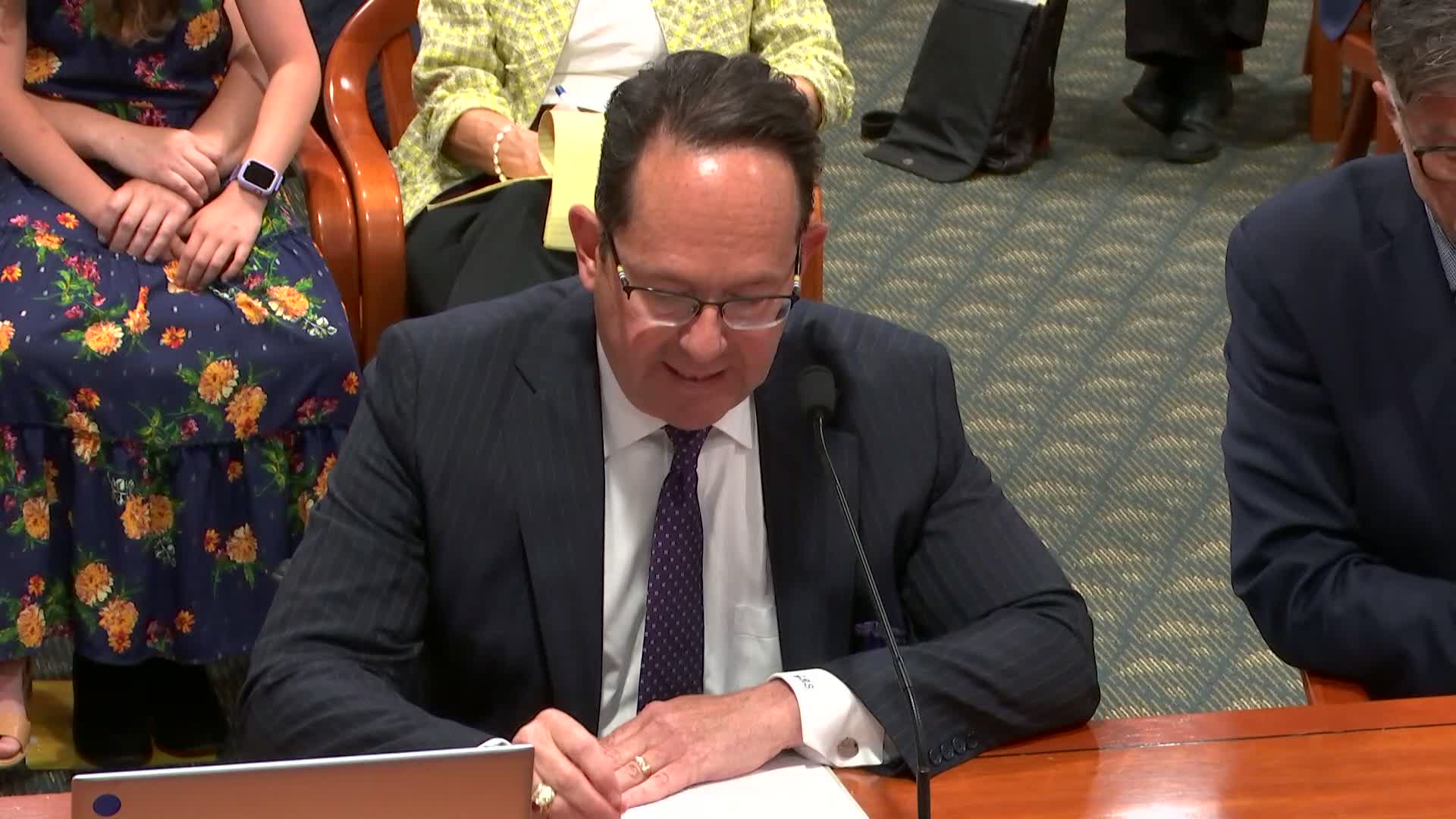
During a recent government meeting, significant concerns were raised regarding proposed legislation affecting literacy education in Michigan. Stakeholders highlighted the challenges these bills impose on teachers, literacy coaches, and administrators, emphasizing the need for clarity and support.
Three primary areas of concern were identified. First, the financial burden associated with implementing new requirements, including the costs of screening tools and staff training, was deemed substantial. Participants noted that the time and monetary investment required for training staff to use the Orangilliam-based approach could strain already overworked educational systems.
Second, there was a call for clearer definitions of responsibilities, particularly regarding literacy coaches. Stakeholders suggested that the language in the bill should allow for flexibility, incorporating roles such as literacy specialists and reading interventions. They also expressed the need for explicit guidance on the next steps for students identified as candidates for dyslexia, as schools currently lack the authority to diagnose this condition.
Lastly, the meeting underscored the necessity of understanding how the new requirements would interact with existing Multi-Tiered Systems of Support (MTSS) and benchmark standards. Participants proposed several recommendations, including allocating funds for professional development focused on early dyslexia indicators, providing screening tools for students showing early signs of dyslexia, and establishing dyslexia coordinators within Intermediate School Districts (ISDs) to facilitate training and support.
The discussion concluded with a recognition of the importance of equitable learning opportunities for all students, regardless of their location. Stakeholders expressed concern that while the bill outlines how Local Education Agencies (LEAs) should address reading deficiencies, it may not effectively achieve the desired outcomes, potentially diverting attention and resources away from core educational needs.
The meeting also provided an opportunity for further testimony, with options for participation via Zoom for those unable to attend in person.
Three primary areas of concern were identified. First, the financial burden associated with implementing new requirements, including the costs of screening tools and staff training, was deemed substantial. Participants noted that the time and monetary investment required for training staff to use the Orangilliam-based approach could strain already overworked educational systems.
Second, there was a call for clearer definitions of responsibilities, particularly regarding literacy coaches. Stakeholders suggested that the language in the bill should allow for flexibility, incorporating roles such as literacy specialists and reading interventions. They also expressed the need for explicit guidance on the next steps for students identified as candidates for dyslexia, as schools currently lack the authority to diagnose this condition.
Lastly, the meeting underscored the necessity of understanding how the new requirements would interact with existing Multi-Tiered Systems of Support (MTSS) and benchmark standards. Participants proposed several recommendations, including allocating funds for professional development focused on early dyslexia indicators, providing screening tools for students showing early signs of dyslexia, and establishing dyslexia coordinators within Intermediate School Districts (ISDs) to facilitate training and support.
The discussion concluded with a recognition of the importance of equitable learning opportunities for all students, regardless of their location. Stakeholders expressed concern that while the bill outlines how Local Education Agencies (LEAs) should address reading deficiencies, it may not effectively achieve the desired outcomes, potentially diverting attention and resources away from core educational needs.
The meeting also provided an opportunity for further testimony, with options for participation via Zoom for those unable to attend in person.
Don't Miss a Word: See the Full Meeting!
Go beyond summaries. Unlock every video, transcript, and key insight with a Founder Membership.
✓
Get instant access to full meeting videos
✓
Search and clip any phrase from complete transcripts
✓
Receive AI-powered summaries & custom alerts
✓
Enjoy lifetime, unrestricted access to government data
30-day money-back guarantee
