Atlanta's water crisis exposes aging infrastructure and inequality
This article was created by AI summarizing key points discussed. AI makes mistakes, so for full details and context, please refer to the video of the full meeting. Please report any errors so we can fix them. Report an error »
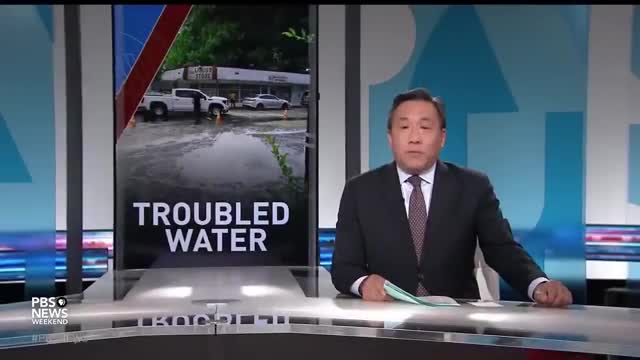
Residents of Atlanta faced a week-long boil water advisory earlier this month due to potential contamination, highlighting ongoing challenges in the U.S. drinking water system. Despite being among the safest globally, the nation's aging infrastructure is increasingly vulnerable, with the American Society of Civil Engineers reporting a water main break every two minutes.
Shannon Marquez, a professor at Columbia University's School of Public Health, discussed the root causes of these issues, attributing them to years of neglect, underfunding, and a reliance on temporary fixes rather than comprehensive solutions. She emphasized that many water systems were built to accommodate capacities that have long been exceeded, exacerbated by extreme weather events linked to climate change.
Marquez pointed out that the financial burden of overhauling these systems is significant, and while the recent infrastructure bill allocates $55 billion for improvements, it falls short of what is needed. The fragmented nature of the U.S. water system, with approximately 50,000 independent water systems, complicates efforts to implement effective solutions.
The discussion also touched on the disparities faced by underserved communities, particularly in areas with predominantly Black populations, such as Flint, Benton Harbor, and Jackson. Marquez noted that these communities often experience the brunt of environmental racism, facing systemic neglect in health, education, and now, access to safe drinking water.
To address these inequities, Marquez called for innovative investments and partnerships to make funding more accessible, especially in election years when water issues should be prioritized alongside healthcare and education. She stressed the importance of holding government officials accountable to ensure that the needs of disenfranchised communities are met, as the current state of water access remains a pressing concern for many Americans.
Shannon Marquez, a professor at Columbia University's School of Public Health, discussed the root causes of these issues, attributing them to years of neglect, underfunding, and a reliance on temporary fixes rather than comprehensive solutions. She emphasized that many water systems were built to accommodate capacities that have long been exceeded, exacerbated by extreme weather events linked to climate change.
Marquez pointed out that the financial burden of overhauling these systems is significant, and while the recent infrastructure bill allocates $55 billion for improvements, it falls short of what is needed. The fragmented nature of the U.S. water system, with approximately 50,000 independent water systems, complicates efforts to implement effective solutions.
The discussion also touched on the disparities faced by underserved communities, particularly in areas with predominantly Black populations, such as Flint, Benton Harbor, and Jackson. Marquez noted that these communities often experience the brunt of environmental racism, facing systemic neglect in health, education, and now, access to safe drinking water.
To address these inequities, Marquez called for innovative investments and partnerships to make funding more accessible, especially in election years when water issues should be prioritized alongside healthcare and education. She stressed the importance of holding government officials accountable to ensure that the needs of disenfranchised communities are met, as the current state of water access remains a pressing concern for many Americans.
View the Full Meeting & All Its Details
This article offers just a summary. Unlock complete video, transcripts, and insights as a Founder Member.
✓
Watch full, unedited meeting videos
✓
Search every word spoken in unlimited transcripts
✓
AI summaries & real-time alerts (all government levels)
✓
Permanent access to expanding government content
30-day money-back guarantee
