Hospitals under scrutiny for failing to aid patients in debt
July 11, 2024 | Health, Education, Labor, and Pensions: Senate Committee, Standing Committees - House & Senate, Congressional Hearings Compilation, Legislative, Federal
This article was created by AI summarizing key points discussed. AI makes mistakes, so for full details and context, please refer to the video of the full meeting. Please report any errors so we can fix them. Report an error »
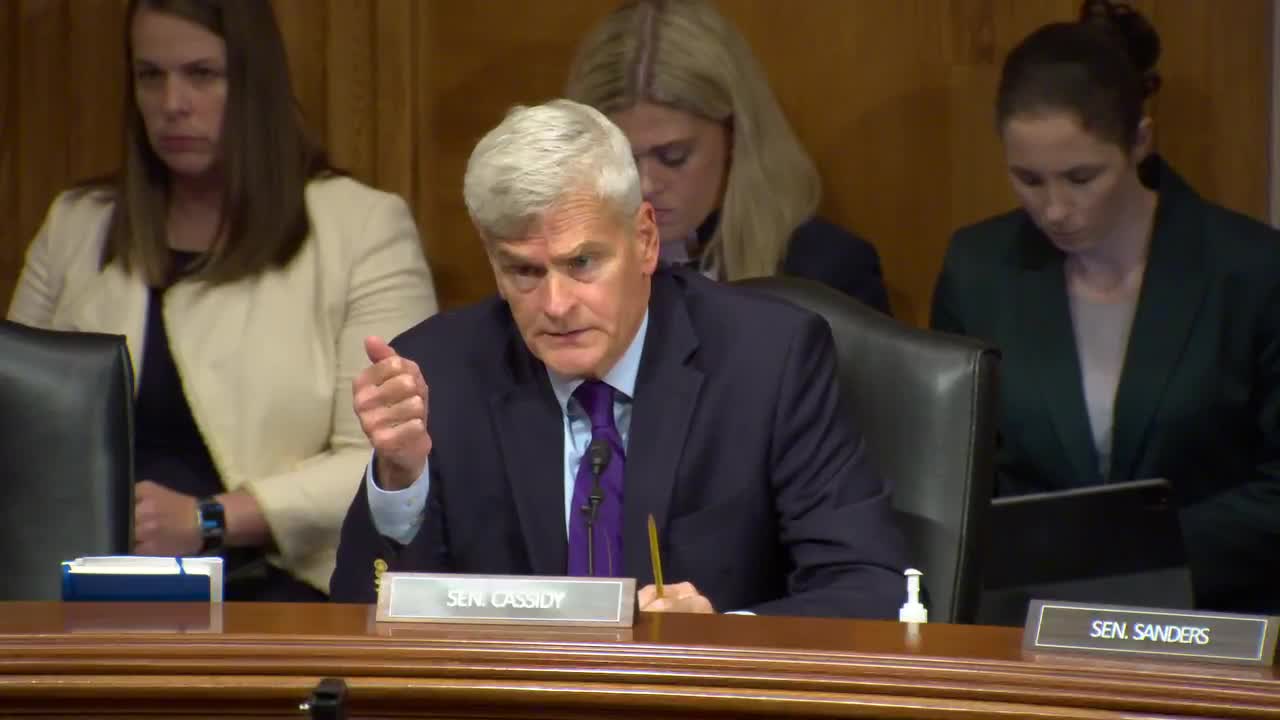
One participant raised questions about Brigham and Women's Hospital's outreach efforts to assist patients struggling with high medical bills. It was noted that while Massachusetts General Hospital has a policy offering free care to individuals earning up to 150% of the federal poverty level (FPL) and discounted care for those up to 300% FPL, there was uncertainty about similar programs at Brigham.
The conversation then shifted to Memorial Sloan Kettering Cancer Center, where it was clarified that while the institution does not participate in the 340B program, it has a robust charity care program that covers individuals earning up to 500% of the FPL. However, concerns were raised about the adequacy of this threshold in high-cost areas like New York City, where even 500% of the FPL may not suffice for a livable wage.
The meeting underscored a troubling trend: despite the financial support intended by the 340B program, some nonprofit hospitals may not be fulfilling their obligations to assist patients with medical expenses. This raises questions about the effectiveness of current policies and the accountability of these institutions in providing necessary care and support to vulnerable populations. The discussions concluded with a call for greater scrutiny and potential reform to ensure that hospitals are acting in accordance with the intentions of policymakers.
Don't Miss a Word: See the Full Meeting!
Go beyond summaries. Unlock every video, transcript, and key insight with a Founder Membership.
30-day money-back guarantee
