Senator Sanders pushes for urgent medical debt relief
July 11, 2024 | Health, Education, Labor, and Pensions: Senate Committee, Standing Committees - House & Senate, Congressional Hearings Compilation, Legislative, Federal
This article was created by AI summarizing key points discussed. AI makes mistakes, so for full details and context, please refer to the video of the full meeting. Please report any errors so we can fix them. Report an error »
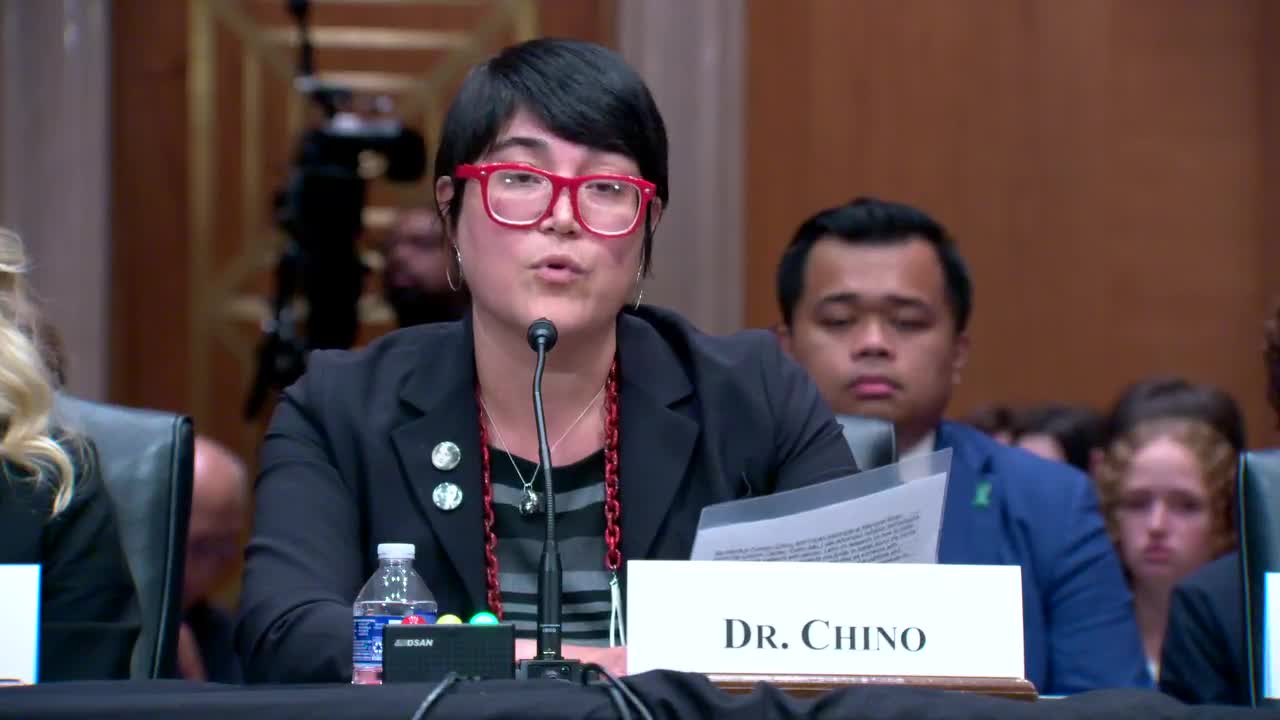
Dr. Chino, a physician and researcher, emphasized the emotional toll of financial burdens on patients, stating that many face the harrowing choice between their health and their financial stability. He called for a systemic change to ensure that a cancer diagnosis does not lead to financial ruin, urging collaboration to enhance healthcare access and affordability.
Contrasting views emerged from Dr. G Bai, a professor at Johns Hopkins, who argued that the U.S. does not face a medical debt crisis but rather a medical debt problem rooted in high healthcare prices. Bai criticized existing government policies that favor large healthcare providers, suggesting that these policies contribute to inflated costs and, consequently, medical debt. She proposed reforms to level the playing field and promote competition among healthcare providers.
Dr. Ben Ippolito from the American Enterprise Institute echoed concerns about the complexities of medical debt, noting that while recent policy changes have aimed to alleviate its burden, the overall impact on consumer finances may be limited. He cautioned that forgiving medical debt could inadvertently reduce incentives for consumers to pay their bills, potentially leading to higher upfront costs for medical services.
The meeting also highlighted successful state-level initiatives, such as Illinois' recent legislation to cancel $1 billion in medical debt for a mere $10 million investment. This model was praised for its effectiveness in alleviating financial burdens on vulnerable populations.
As the committee continues to explore solutions to the medical debt crisis, the discussions underscore the need for comprehensive reforms that address both the symptoms and root causes of medical debt, ensuring that healthcare remains accessible and affordable for all Americans.
Don't Miss a Word: See the Full Meeting!
Go beyond summaries. Unlock every video, transcript, and key insight with a Founder Membership.
30-day money-back guarantee
