Industry leaders unite to combat poverty through workforce development
June 12, 2024 | Health, Education, Labor, and Pensions: Senate Committee, Standing Committees - House & Senate, Congressional Hearings Compilation, Legislative, Federal
This article was created by AI summarizing key points discussed. AI makes mistakes, so for full details and context, please refer to the video of the full meeting. Please report any errors so we can fix them. Report an error »
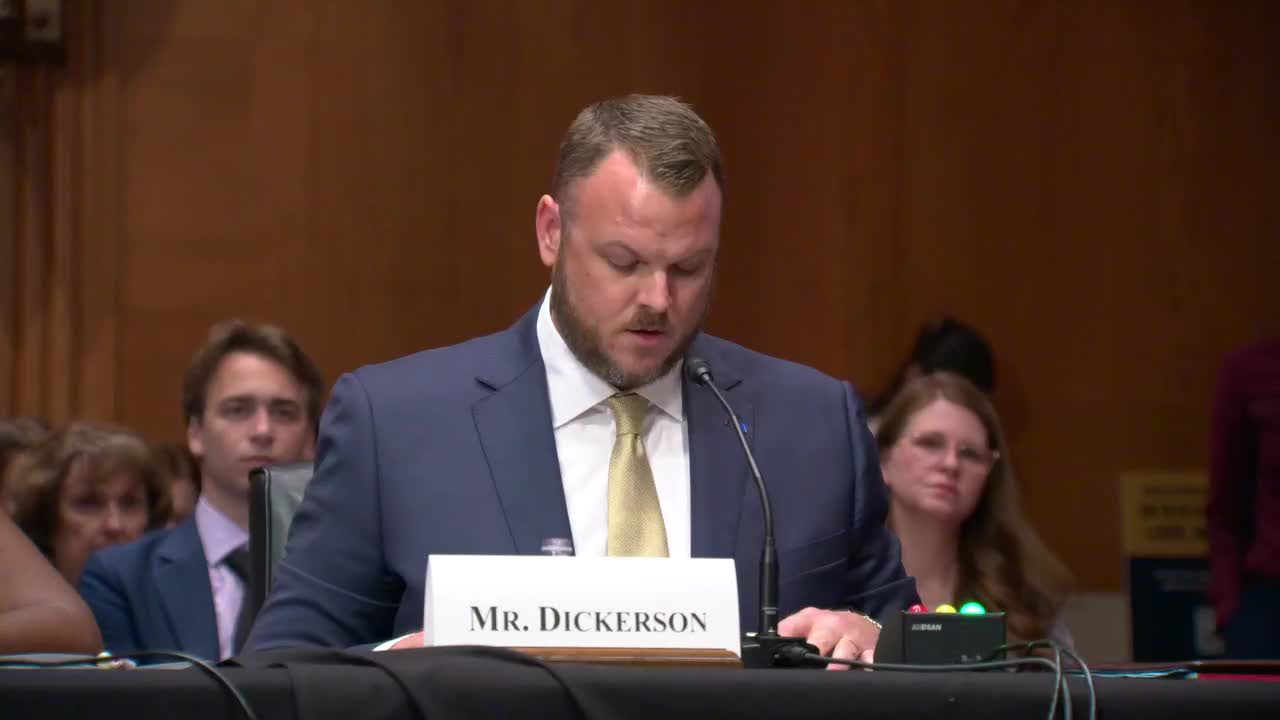
The speaker emphasized the urgent need for a coordinated plan that transitions individuals from poverty to prosperity by enhancing the effectiveness of workforce and social service systems. Acknowledging the challenges in recruiting individuals with essential skills in reading, writing, and specialized training, the speaker noted that the region's economic growth relies heavily on developing a capable workforce.
Progress has been made through the establishment of sector partnerships in healthcare and manufacturing, with local business leaders taking proactive steps to address generational poverty. The speaker, who chairs the Northeast Louisiana Manufacturers Alliance, underscored the importance of industry leadership in workforce discussions, advocating for a shift from passive consumption of workforce services to active participation in shaping training programs.
Collaboration with K-12 education systems, community colleges, universities, and local workforce boards has been pivotal in aligning educational outcomes with industry needs. However, challenges remain, particularly regarding the disorganization of resources and inefficiencies in funding allocation, which hinder effective service provision.
The speaker called for increased investment in training and a localized approach to workforce development funding, arguing that local and state agencies are better equipped to tailor programs to meet the specific needs of their communities. This targeted investment strategy is seen as essential for cultivating a resilient workforce capable of supporting economic growth.
In conclusion, the meeting underscored the interconnectedness of industry prosperity and community well-being, urging Congress to consider significant investments in industry-led workforce development initiatives. The speaker's message was clear: collective action is crucial for shaping the future of workforce development and empowering individuals toward economic success.
Don't Miss a Word: See the Full Meeting!
Go beyond summaries. Unlock every video, transcript, and key insight with a Founder Membership.
30-day money-back guarantee
