Senators question NIH on controversial gain of function research
July 11, 2024 | Homeland Security and Governmental Affairs: Senate Committee, Standing Committees - House & Senate, Congressional Hearings Compilation, Legislative, Federal
This article was created by AI summarizing key points discussed. AI makes mistakes, so for full details and context, please refer to the video of the full meeting. Please report any errors so we can fix them. Report an error »
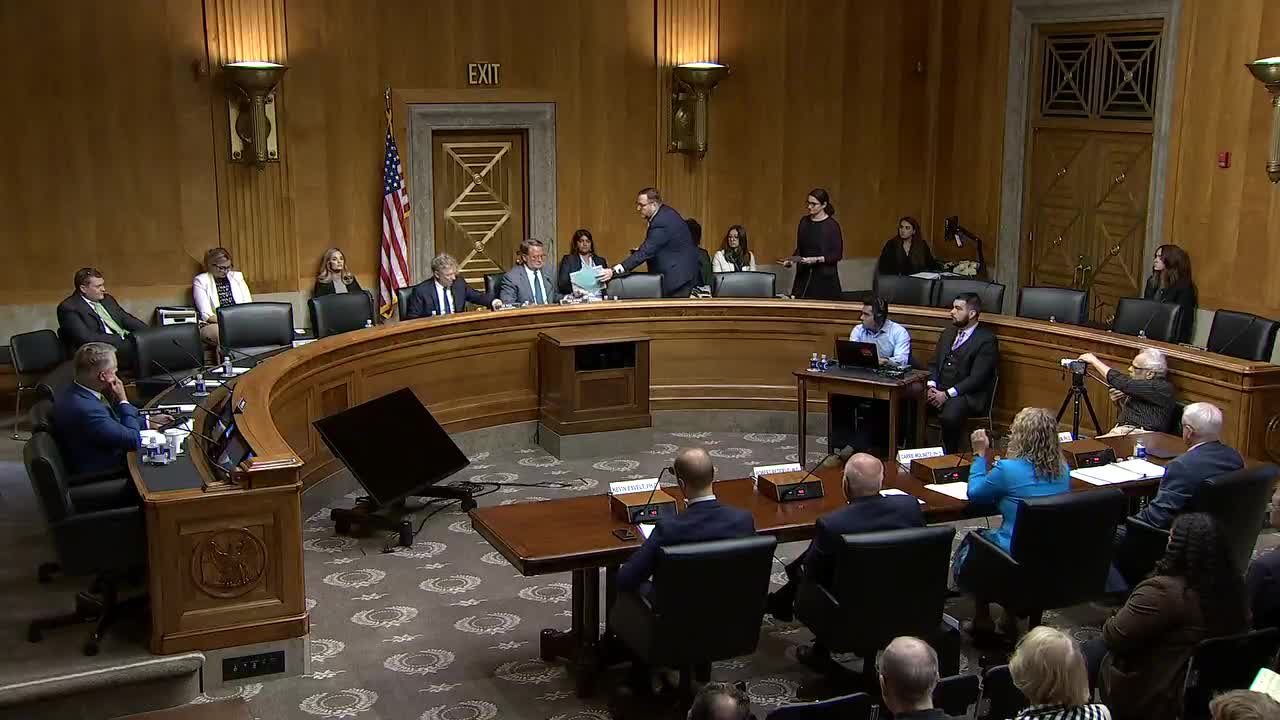
Dr. Wolinetz, who served as Collins' chief of staff, denied any knowledge of such a directive or involvement in disparaging the two doctors. However, the hearing revealed a broader concern among committee members about transparency and accountability within the NIH, particularly regarding gain-of-function research, which involves manipulating viruses to study their potential effects on humans.
Several former NIH officials, including Dr. Robert Redfield and Dr. David Parker, expressed their disapproval of the NIH's refusal to release minutes from meetings discussing gain-of-function research, especially related to studies conducted in Wuhan, China. They emphasized that such secrecy undermines public trust in science and called for greater transparency in the agency's operations.
The hearing also touched on the NIH's oversight of research conducted abroad, particularly in China, with concerns raised about the agency's ability to ensure safety and compliance with U.S. regulations. Dr. Wolinetz acknowledged the need for improved biosafety standards and oversight mechanisms to prevent potential risks associated with international research collaborations.
As the hearing concluded, the committee members reiterated the importance of independent review processes for high-risk research, highlighting the need for a more robust framework to evaluate the benefits and risks of gain-of-function studies. The discussions underscored ongoing tensions within the scientific community regarding the origins of COVID-19 and the implications of research practices that may have contributed to the pandemic.
View the Full Meeting & All Its Details
This article offers just a summary. Unlock complete video, transcripts, and insights as a Founder Member.
30-day money-back guarantee
