Farmers fight back against controversial Grain Belt Express project
July 10, 2024 | Homeland Security and Governmental Affairs: Senate Committee, Standing Committees - House & Senate, Congressional Hearings Compilation, Legislative, Federal
This article was created by AI summarizing key points discussed. AI makes mistakes, so for full details and context, please refer to the video of the full meeting. Please report any errors so we can fix them. Report an error »
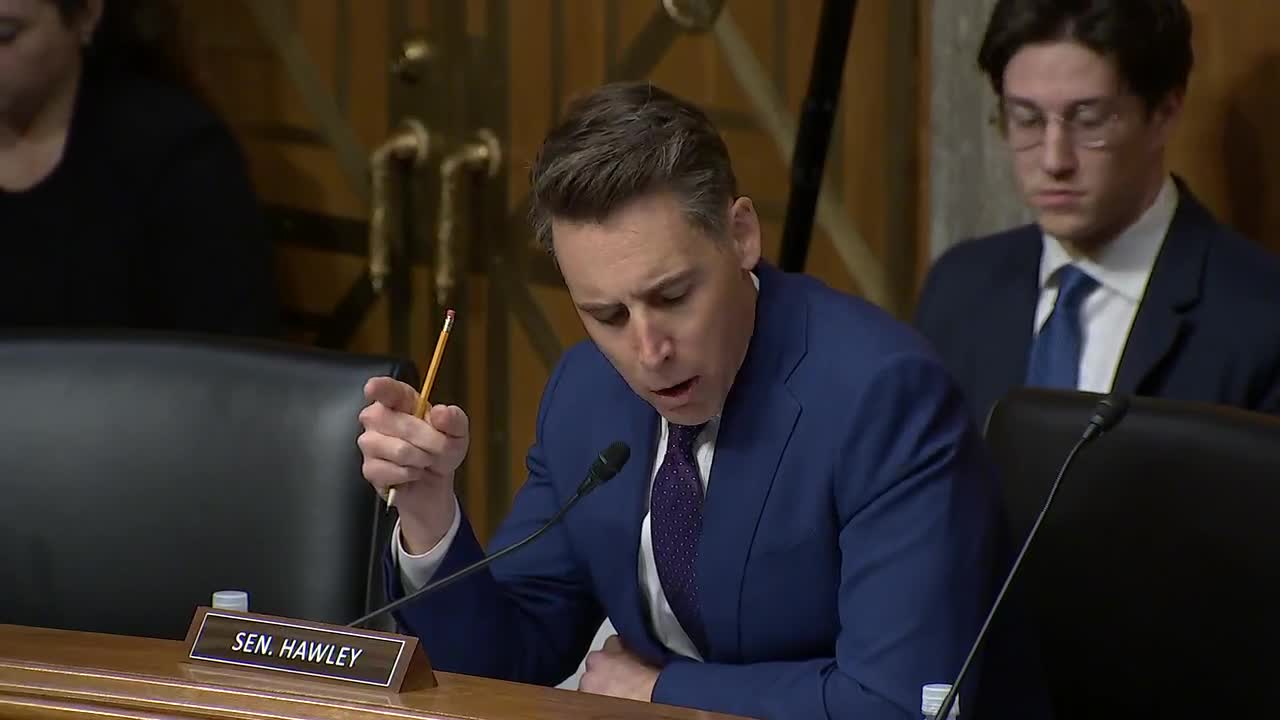
However, the project has faced significant opposition, particularly from farmers in Missouri who argue that their land is being taken without fair compensation. Senator Josh Hawley expressed strong concerns about the implications of the project, highlighting that the private company behind the Grain Belt Express, Invenergy, is profiting substantially while local farmers are left with little recourse. He criticized the federal government's role, suggesting that the Fast 41 designation effectively bypasses local concerns and grants undue power to private corporations.
The senator pointed out that the Missouri state legislature had to intervene to ensure fair compensation for farmers, indicating the depth of local discontent. He questioned the legitimacy of the federal permitting process, suggesting that it operates more as a rubber stamp for corporate interests rather than a protective measure for local communities.
In response, officials clarified that the Fast 41 process is a statutory requirement, and they do not have discretion in granting coverage if the project meets specific criteria, including a minimum investment threshold. They acknowledged the local opposition but maintained that their role is limited to administrative functions within the established legal framework.
The meeting underscored the tension between federal infrastructure initiatives and local agricultural interests, raising questions about the balance of power in land use and the rights of local communities in the face of large-scale private projects. As the Grain Belt Express moves forward, the ongoing debate highlights the complexities of energy infrastructure development and its impact on rural communities.
View the Full Meeting & All Its Details
This article offers just a summary. Unlock complete video, transcripts, and insights as a Founder Member.
30-day money-back guarantee
