City moves to tackle vacant buildings crisis
July 10, 2024 | Minneapolis City, Hennepin County, Minnesota
This article was created by AI summarizing key points discussed. AI makes mistakes, so for full details and context, please refer to the video of the full meeting. Please report any errors so we can fix them. Report an error »
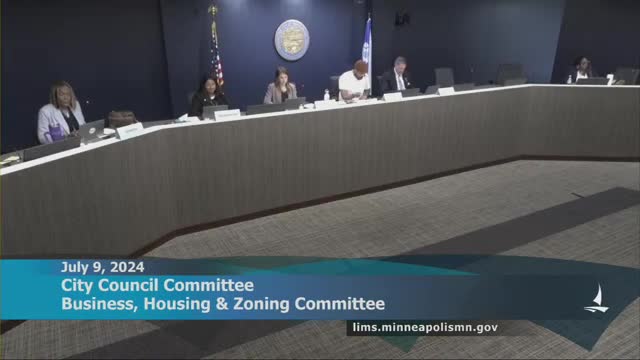
A recent public hearing addressed proposed modifications to the city's vacant building registration ordinance, aimed at reducing the number of long-term vacant properties in Minneapolis. Brian Starry, the field operations manager with Regulatory Services, presented the current criteria for a building to be registered as vacant, which includes factors such as condemnation, code violations, and extended periods of vacancy.
The proposed changes would introduce a two-year limit for properties in the vacant building registration program, with the goal of minimizing the negative impacts of vacant buildings on neighborhoods, including increased risks of crime and decreased property values. Starry highlighted that there are currently 189 properties that have been in the registry for over two years, which would be affected by the new enforcement strategy.
Under the new ordinance, property owners who fail to address violations within the two-year period could face monthly fines of up to $2,000. The ordinance also allows for extensions of up to one year for property owners actively working on rehabilitation. The aim is to incentivize property owners to either rehabilitate their buildings or face escalating fines.
Public testimony during the hearing revealed strong community support for the ordinance. Residents expressed frustration over the presence of vacant buildings, citing issues such as safety hazards, pest infestations, and diminished neighborhood quality. Testimonies highlighted the urgency of addressing these properties, particularly in areas with high housing demand.
Council members, including Wansley and Lisonbee, emphasized the importance of the ordinance in addressing housing shortages and improving community safety. They noted that vacant properties not only contribute to neighborhood decline but also represent missed opportunities for housing and economic development.
The council is expected to vote on the ordinance in the coming weeks, with advocates urging swift action to implement these changes and alleviate the burden of vacant properties on Minneapolis communities.
The proposed changes would introduce a two-year limit for properties in the vacant building registration program, with the goal of minimizing the negative impacts of vacant buildings on neighborhoods, including increased risks of crime and decreased property values. Starry highlighted that there are currently 189 properties that have been in the registry for over two years, which would be affected by the new enforcement strategy.
Under the new ordinance, property owners who fail to address violations within the two-year period could face monthly fines of up to $2,000. The ordinance also allows for extensions of up to one year for property owners actively working on rehabilitation. The aim is to incentivize property owners to either rehabilitate their buildings or face escalating fines.
Public testimony during the hearing revealed strong community support for the ordinance. Residents expressed frustration over the presence of vacant buildings, citing issues such as safety hazards, pest infestations, and diminished neighborhood quality. Testimonies highlighted the urgency of addressing these properties, particularly in areas with high housing demand.
Council members, including Wansley and Lisonbee, emphasized the importance of the ordinance in addressing housing shortages and improving community safety. They noted that vacant properties not only contribute to neighborhood decline but also represent missed opportunities for housing and economic development.
The council is expected to vote on the ordinance in the coming weeks, with advocates urging swift action to implement these changes and alleviate the burden of vacant properties on Minneapolis communities.
Don't Miss a Word: See the Full Meeting!
Go beyond summaries. Unlock every video, transcript, and key insight with a Founder Membership.
✓
Get instant access to full meeting videos
✓
Search and clip any phrase from complete transcripts
✓
Receive AI-powered summaries & custom alerts
✓
Enjoy lifetime, unrestricted access to government data
30-day money-back guarantee
