Advocates push for justice reform to end debt traps
July 09, 2024 | Judiciary: Senate Committee, Standing Committees - House & Senate, Congressional Hearings Compilation, Legislative, Federal
This article was created by AI summarizing key points discussed. AI makes mistakes, so for full details and context, please refer to the video of the full meeting. Please report any errors so we can fix them. Report an error »
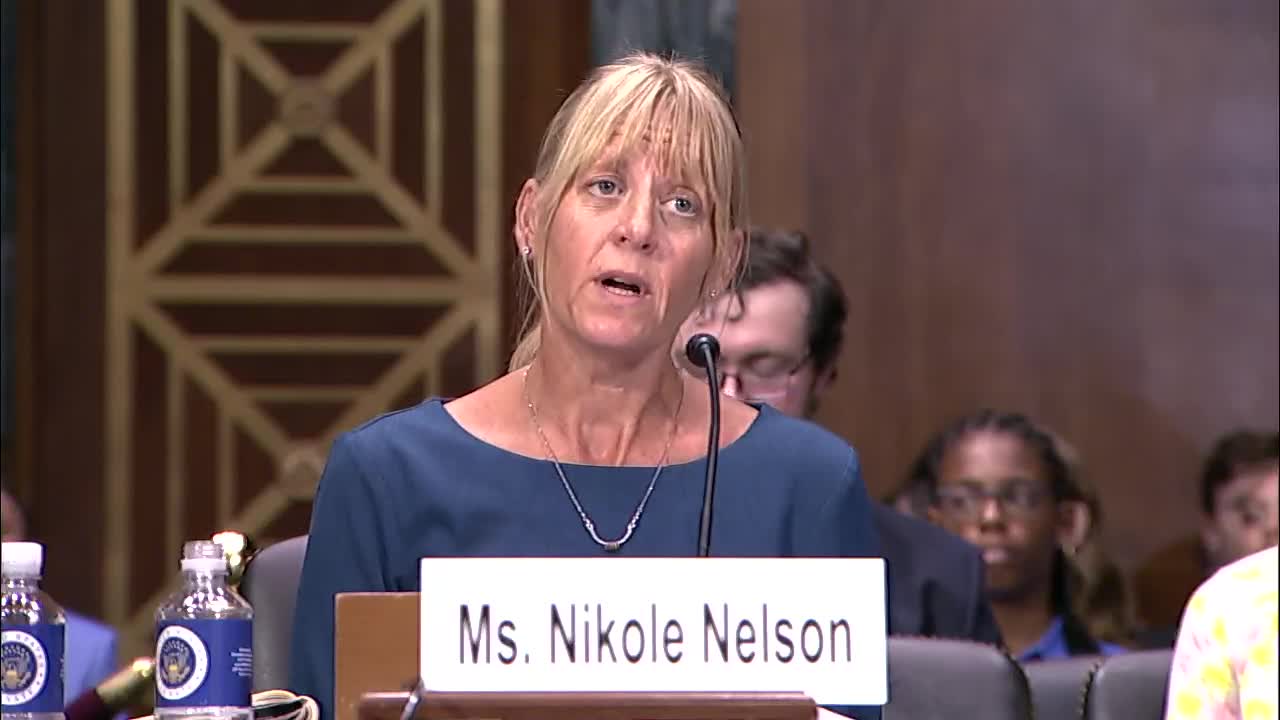
In a recent government meeting, officials discussed the pressing issue of access to justice in the United States, highlighting the detrimental effects of unauthorized practice of law prohibitions and the need for reform. Participants emphasized that these prohibitions hinder individuals from receiving necessary legal assistance, particularly in civil matters, exacerbating the ongoing civil justice crisis.
The conversation underscored the importance of justice workers as a complement to legal aid organizations, with references to successful models like Alaska's, which rely on robust funding from the Legal Services Corporation. The Department of Justice's Access to Justice Office was acknowledged for its role in promoting these models and providing federal resources to support access to legal services.
A significant point of discussion was the practice of revoking driver's licenses to enforce payment of fines and fees, which creates a \"debt trap\" for low-income individuals. This practice was criticized for its counterproductive nature, as it often leads to further legal troubles for those unable to pay, ultimately hindering their ability to work and support themselves. Changes made in Texas to eliminate automatic license revocation were highlighted as a positive step forward.
The meeting also explored the potential of artificial intelligence (AI) and remote training to transform legal practices, particularly in underserved areas. Participants envisioned tools akin to TurboTax that could guide individuals through legal processes, making legal resources more accessible. The chief justice noted that while the legal community is still catching up with technological advancements, AI could significantly enhance communication and streamline legal procedures.
The need for substantial funding for legal services was a recurring theme, with officials stressing that equal access to justice is fundamental to democracy. They pointed out that many people remain unaware of the barriers faced by low-income individuals in accessing legal help, emphasizing the importance of raising public awareness and securing adequate resources for legal aid programs.
Overall, the meeting highlighted the urgent need for systemic reforms to improve access to justice, particularly for marginalized communities, and the critical role of funding in achieving these goals.
The conversation underscored the importance of justice workers as a complement to legal aid organizations, with references to successful models like Alaska's, which rely on robust funding from the Legal Services Corporation. The Department of Justice's Access to Justice Office was acknowledged for its role in promoting these models and providing federal resources to support access to legal services.
A significant point of discussion was the practice of revoking driver's licenses to enforce payment of fines and fees, which creates a \"debt trap\" for low-income individuals. This practice was criticized for its counterproductive nature, as it often leads to further legal troubles for those unable to pay, ultimately hindering their ability to work and support themselves. Changes made in Texas to eliminate automatic license revocation were highlighted as a positive step forward.
The meeting also explored the potential of artificial intelligence (AI) and remote training to transform legal practices, particularly in underserved areas. Participants envisioned tools akin to TurboTax that could guide individuals through legal processes, making legal resources more accessible. The chief justice noted that while the legal community is still catching up with technological advancements, AI could significantly enhance communication and streamline legal procedures.
The need for substantial funding for legal services was a recurring theme, with officials stressing that equal access to justice is fundamental to democracy. They pointed out that many people remain unaware of the barriers faced by low-income individuals in accessing legal help, emphasizing the importance of raising public awareness and securing adequate resources for legal aid programs.
Overall, the meeting highlighted the urgent need for systemic reforms to improve access to justice, particularly for marginalized communities, and the critical role of funding in achieving these goals.
Don't Miss a Word: See the Full Meeting!
Go beyond summaries. Unlock every video, transcript, and key insight with a Founder Membership.
✓
Get instant access to full meeting videos
✓
Search and clip any phrase from complete transcripts
✓
Receive AI-powered summaries & custom alerts
✓
Enjoy lifetime, unrestricted access to government data
30-day money-back guarantee
