Judge Faces Scrutiny Over Lenient Sentences in Child Abuse Cases
June 20, 2024 | Judiciary: Senate Committee, Standing Committees - House & Senate, Congressional Hearings Compilation, Legislative, Federal
This article was created by AI summarizing key points discussed. AI makes mistakes, so for full details and context, please refer to the video of the full meeting. Please report any errors so we can fix them. Report an error »
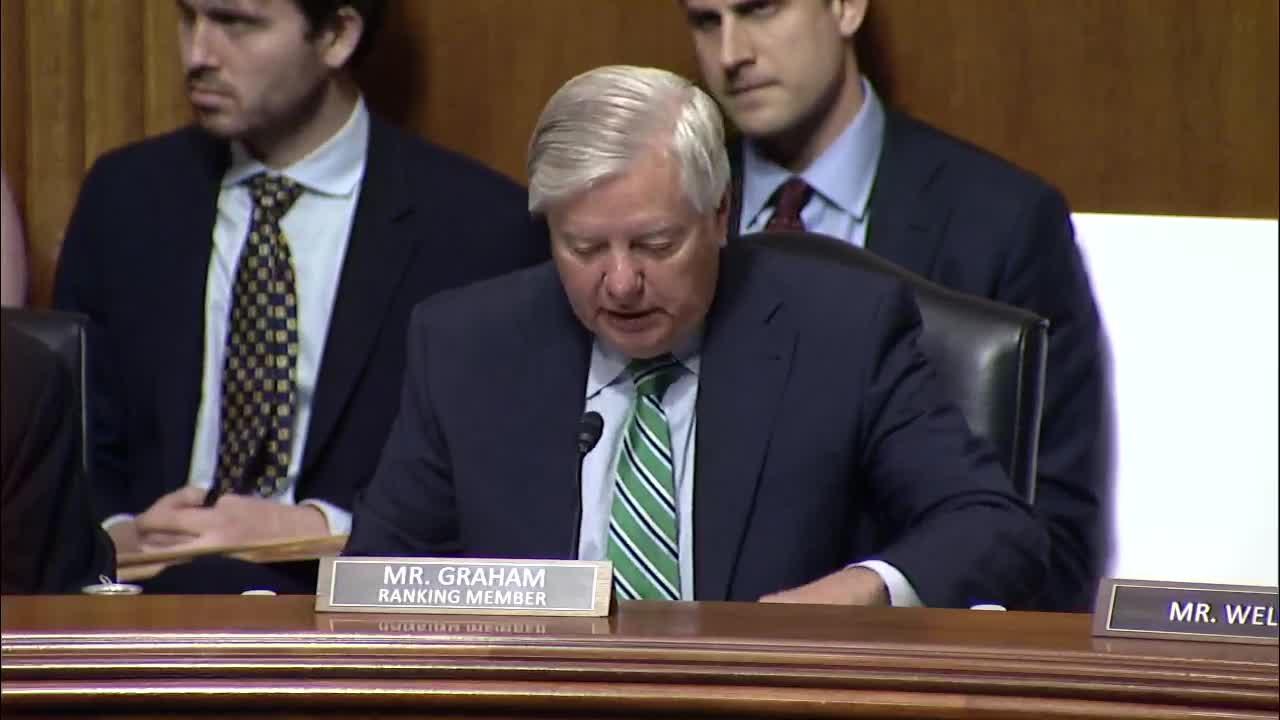
In a recent government meeting, a heated discussion emerged surrounding the sentencing decisions made by Judge Lemp in two high-profile cases involving child endangerment and sexual abuse. The judge faced scrutiny from senators regarding the perceived leniency of the sentences imposed.
In the State versus Smith case, Judge Lemp sentenced a defendant convicted of 12 charges of sexual abuse against minors to a 12-year prison term, with six years suspended. The prosecution had requested a 15-year sentence, raising questions about the judge's decision-making process. Lemp defended his ruling, stating that he imposed the sentence as requested by the prosecution, despite public reports suggesting otherwise. He acknowledged the tragic nature of the case but emphasized the complexity of human behavior.
The discussion then shifted to a separate case involving a mother charged with manslaughter for exposing her 14-month-old child to lethal levels of fentanyl. The judge sentenced her to four years in prison, a decision that sparked outrage among senators who questioned whether it was appropriate to classify her actions as merely negligent rather than reckless. Lemp clarified that under Maine law, the maximum sentence for manslaughter is 30 years, but the charges in this case fell under the least culpable category of criminal negligence.
Senators expressed disbelief at the notion that exposing a child to such dangerous conditions could be seen as anything less than reckless. Lemp maintained that the evidence indicated the mother was under duress, which influenced his sentencing decision.
The meeting also touched on broader themes of judicial discretion and the implications of sentencing in cases involving vulnerable populations. As the discussions unfolded, it became clear that the balance between justice and compassion remains a contentious issue within the legal system.
In the State versus Smith case, Judge Lemp sentenced a defendant convicted of 12 charges of sexual abuse against minors to a 12-year prison term, with six years suspended. The prosecution had requested a 15-year sentence, raising questions about the judge's decision-making process. Lemp defended his ruling, stating that he imposed the sentence as requested by the prosecution, despite public reports suggesting otherwise. He acknowledged the tragic nature of the case but emphasized the complexity of human behavior.
The discussion then shifted to a separate case involving a mother charged with manslaughter for exposing her 14-month-old child to lethal levels of fentanyl. The judge sentenced her to four years in prison, a decision that sparked outrage among senators who questioned whether it was appropriate to classify her actions as merely negligent rather than reckless. Lemp clarified that under Maine law, the maximum sentence for manslaughter is 30 years, but the charges in this case fell under the least culpable category of criminal negligence.
Senators expressed disbelief at the notion that exposing a child to such dangerous conditions could be seen as anything less than reckless. Lemp maintained that the evidence indicated the mother was under duress, which influenced his sentencing decision.
The meeting also touched on broader themes of judicial discretion and the implications of sentencing in cases involving vulnerable populations. As the discussions unfolded, it became clear that the balance between justice and compassion remains a contentious issue within the legal system.
Don't Miss a Word: See the Full Meeting!
Go beyond summaries. Unlock every video, transcript, and key insight with a Founder Membership.
✓
Get instant access to full meeting videos
✓
Search and clip any phrase from complete transcripts
✓
Receive AI-powered summaries & custom alerts
✓
Enjoy lifetime, unrestricted access to government data
30-day money-back guarantee
