Health care consolidation threatens system stability and affordability
June 05, 2024 | Judiciary: Senate Committee, Standing Committees - House & Senate, Congressional Hearings Compilation, Legislative, Federal
This article was created by AI summarizing key points discussed. AI makes mistakes, so for full details and context, please refer to the video of the full meeting. Please report any errors so we can fix them. Report an error »
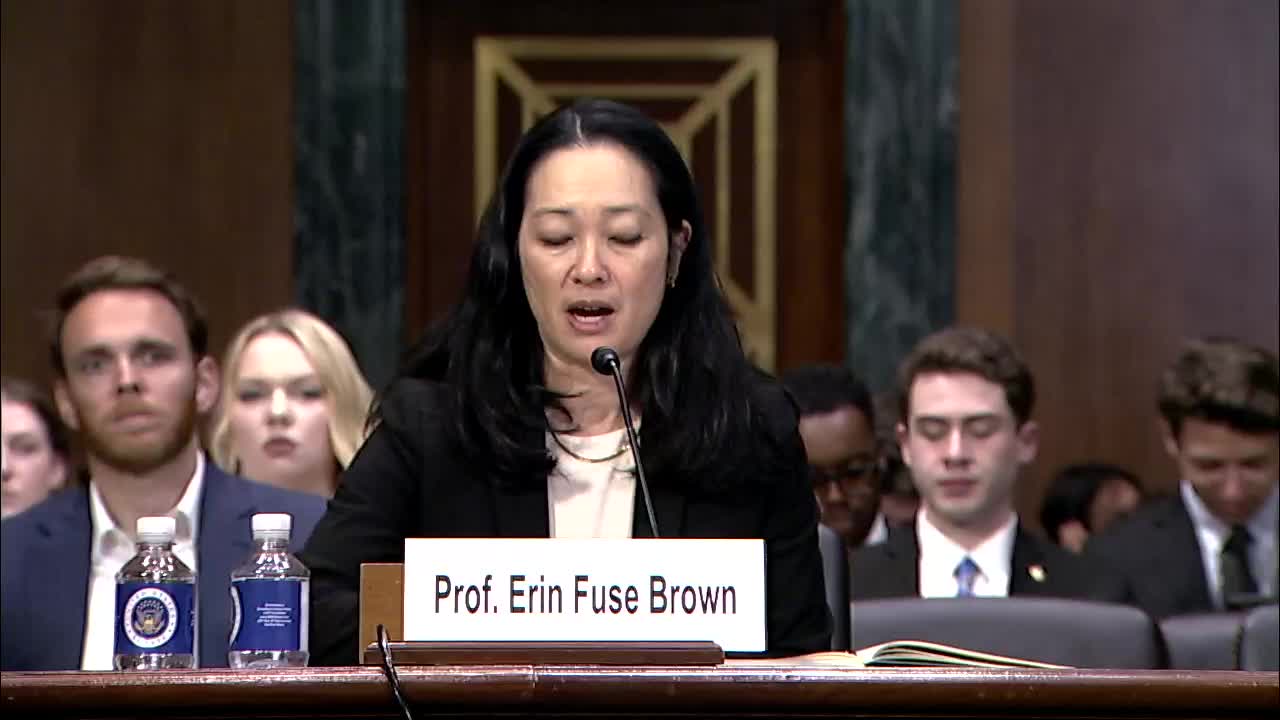
In a recent government meeting, experts highlighted the alarming impact of health care consolidation on the resilience of the United States health care system. The discussion underscored that over 90% of hospital markets in the U.S. are now highly concentrated, leading to significant increases in health care costs. In 2022, the nation spent approximately $4.5 trillion on health care, which constitutes nearly one-fifth of the economy. This consolidation is identified as a primary driver of rising health care expenses, resulting in higher insurance premiums and out-of-pocket costs that threaten the economic stability of households and businesses.
The meeting revealed that the financial burden of health care consolidation has led to an estimated loss of nearly $1 trillion in wages over the past decade. Despite claims that consolidation improves patient care, evidence suggests otherwise, as it often restricts access to affordable health services, particularly in rural and low-income areas. The economic ramifications extend beyond health care, stifling job creation and overall economic development.
A critical point raised was the vulnerability of the health care system due to the dominance of large conglomerates. The recent cyber attack on Change Healthcare, a subsidiary of UnitedHealth Group, exemplified this risk. The attack disrupted essential services, leading to a cash flow crisis for health care providers and affecting millions of patients. The incident highlighted the dangers of relying on a few large entities, which can be easily targeted, posing existential threats to the entire health system.
To address these issues, experts proposed several policy measures, including strengthening antitrust oversight, prohibiting insurers from owning pharmacies or medical providers, enhancing price transparency, and investing in independent health care practices. The urgency of these reforms was emphasized, as health care consolidation not only jeopardizes affordability and access but also threatens the long-term stability of the health care system in the United States.
The meeting revealed that the financial burden of health care consolidation has led to an estimated loss of nearly $1 trillion in wages over the past decade. Despite claims that consolidation improves patient care, evidence suggests otherwise, as it often restricts access to affordable health services, particularly in rural and low-income areas. The economic ramifications extend beyond health care, stifling job creation and overall economic development.
A critical point raised was the vulnerability of the health care system due to the dominance of large conglomerates. The recent cyber attack on Change Healthcare, a subsidiary of UnitedHealth Group, exemplified this risk. The attack disrupted essential services, leading to a cash flow crisis for health care providers and affecting millions of patients. The incident highlighted the dangers of relying on a few large entities, which can be easily targeted, posing existential threats to the entire health system.
To address these issues, experts proposed several policy measures, including strengthening antitrust oversight, prohibiting insurers from owning pharmacies or medical providers, enhancing price transparency, and investing in independent health care practices. The urgency of these reforms was emphasized, as health care consolidation not only jeopardizes affordability and access but also threatens the long-term stability of the health care system in the United States.
View the Full Meeting & All Its Details
This article offers just a summary. Unlock complete video, transcripts, and insights as a Founder Member.
✓
Watch full, unedited meeting videos
✓
Search every word spoken in unlimited transcripts
✓
AI summaries & real-time alerts (all government levels)
✓
Permanent access to expanding government content
30-day money-back guarantee
