LGBTQIA community faces mental health crisis amid rising stigma
July 18, 2024 | King County, Washington
This article was created by AI summarizing key points discussed. AI makes mistakes, so for full details and context, please refer to the video of the full meeting. Please report any errors so we can fix them. Report an error »
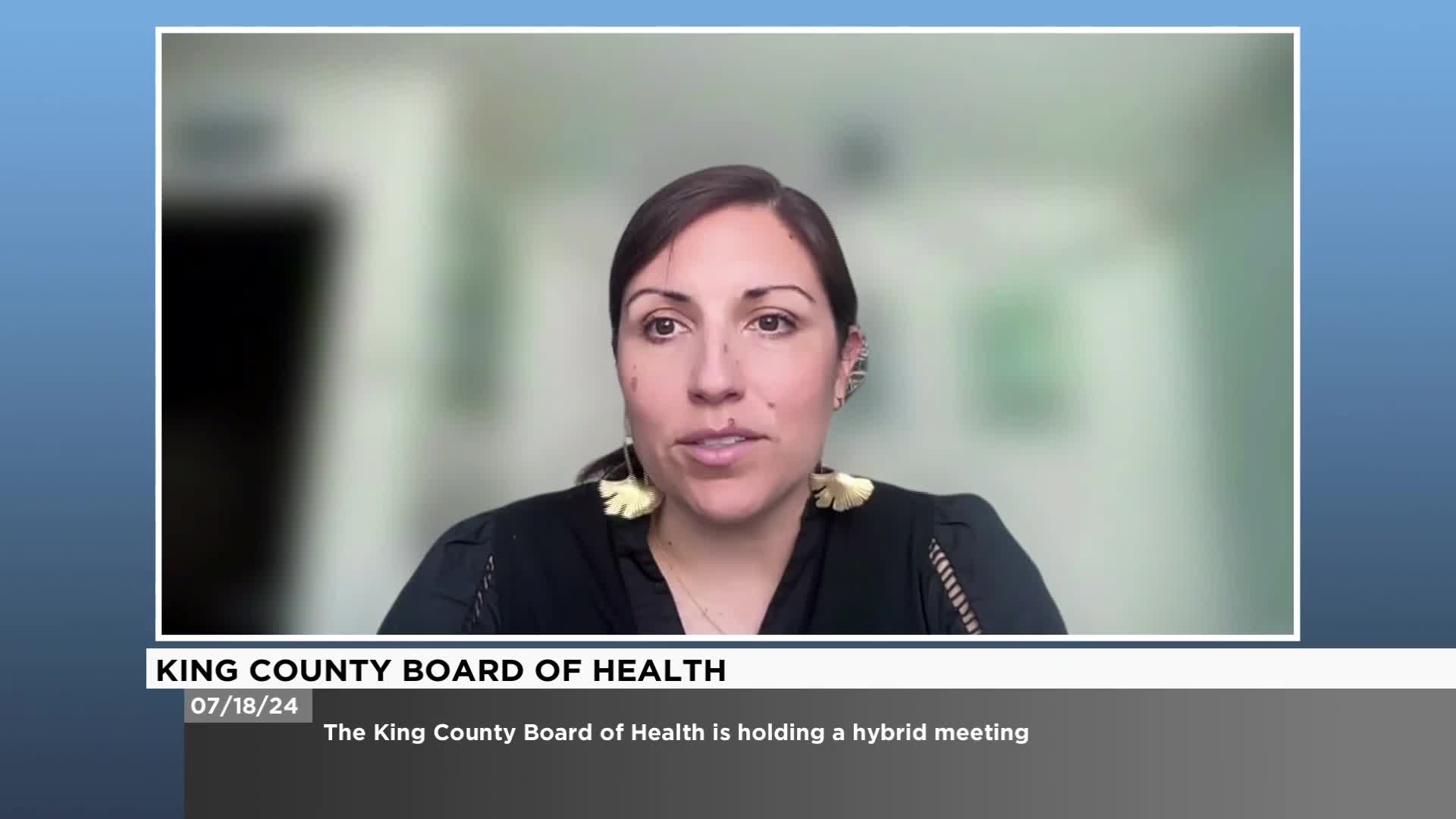
During a recent government meeting, health officials discussed the pressing mental health challenges faced by the LGBTQIA community, highlighting alarming statistics and the impact of societal stigma. The briefing, led by a representative from the LGBTQ Center, emphasized that while 21% of U.S. adults experienced mental health issues in 2020, this figure rose to 39% among queer individuals, who are more than twice as likely to face mental health conditions compared to their heterosexual counterparts.
The presentation underscored that identifying as queer is not a mental illness but rather a facet of identity that can lead to increased mental health struggles due to discrimination and social stigma. The lack of comprehensive data on suicide rates among LGBTQ individuals further complicates efforts to address these issues effectively. The Trevor Project noted that young people in this community are at heightened risk not due to their sexual orientation, but because of societal mistreatment.
The meeting also addressed the rise in hate crimes against LGBTQ youth, particularly in states with restrictive laws. Reports indicated that anti-queer hate crimes on K-12 campuses have quadrupled since the onset of divisive cultural debates surrounding LGBTQ rights. The Washington LGBTQ+ Health Equity Report revealed that over half of surveyed community members reported experiencing depression or anxiety, with significant barriers to accessing healthcare, including distrust in medical professionals and a lack of culturally competent care.
Community-based organizations, such as Seattle's LGBTQ Center, are stepping in to fill the gaps left by traditional healthcare systems. The center has initiated programs like hormone replacement therapy, which have seen a growing number of clients seeking gender-affirming care. This approach not only addresses immediate health needs but also fosters a supportive environment for individuals who may otherwise avoid medical facilities.
The meeting concluded with a call for continued dialogue and action to improve mental health outcomes for the LGBTQIA community, emphasizing the importance of culturally sensitive care and the need for systemic change to combat discrimination and stigma.
The presentation underscored that identifying as queer is not a mental illness but rather a facet of identity that can lead to increased mental health struggles due to discrimination and social stigma. The lack of comprehensive data on suicide rates among LGBTQ individuals further complicates efforts to address these issues effectively. The Trevor Project noted that young people in this community are at heightened risk not due to their sexual orientation, but because of societal mistreatment.
The meeting also addressed the rise in hate crimes against LGBTQ youth, particularly in states with restrictive laws. Reports indicated that anti-queer hate crimes on K-12 campuses have quadrupled since the onset of divisive cultural debates surrounding LGBTQ rights. The Washington LGBTQ+ Health Equity Report revealed that over half of surveyed community members reported experiencing depression or anxiety, with significant barriers to accessing healthcare, including distrust in medical professionals and a lack of culturally competent care.
Community-based organizations, such as Seattle's LGBTQ Center, are stepping in to fill the gaps left by traditional healthcare systems. The center has initiated programs like hormone replacement therapy, which have seen a growing number of clients seeking gender-affirming care. This approach not only addresses immediate health needs but also fosters a supportive environment for individuals who may otherwise avoid medical facilities.
The meeting concluded with a call for continued dialogue and action to improve mental health outcomes for the LGBTQIA community, emphasizing the importance of culturally sensitive care and the need for systemic change to combat discrimination and stigma.
Don't Miss a Word: See the Full Meeting!
Go beyond summaries. Unlock every video, transcript, and key insight with a Founder Membership.
✓
Get instant access to full meeting videos
✓
Search and clip any phrase from complete transcripts
✓
Receive AI-powered summaries & custom alerts
✓
Enjoy lifetime, unrestricted access to government data
30-day money-back guarantee
