Voter residency rules spark debate over election integrity
July 11, 2024 | Fulton County, Georgia
This article was created by AI summarizing key points discussed. AI makes mistakes, so for full details and context, please refer to the video of the full meeting. Please report any errors so we can fix them. Report an error »
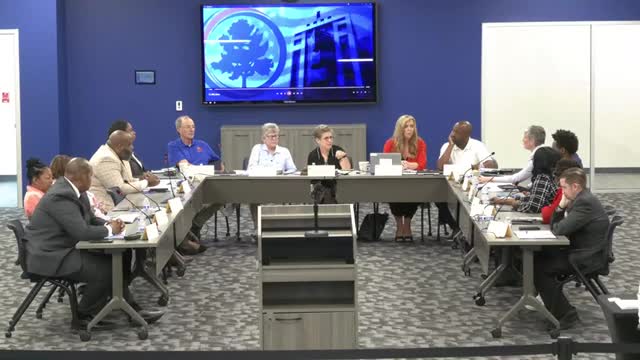
During a recent government meeting, officials discussed the complexities surrounding voter registration and residency verification, particularly in light of the National Voter Registration Act (NVRA). The conversation highlighted the procedures for maintaining voter rolls and the implications of changes in residency.
A key point raised was the process for handling individuals who may no longer reside at their registered addresses. According to the NVRA, if a confirmation notice is sent and not returned with a signature requesting removal, individuals remain on the inactive list for two federal election cycles. Only after this period can they be removed from the voter rolls, regardless of any returned mail indicating a change of address.
Officials emphasized that simply receiving undeliverable mail does not equate to a change in residency. For instance, military personnel or government employees stationed overseas retain their residency status in their home state, provided they intend to return. This was illustrated with examples, such as a military member selling their home while maintaining their official residence in Georgia, or an individual temporarily relocating for personal reasons but planning to return.
The discussion underscored the importance of intent in determining residency. Officials clarified that even if a voter submits a change of address, it does not automatically result in the loss of their voting rights if they plan to return to their original residence. This nuanced understanding is crucial for ensuring that eligible voters are not inadvertently disenfranchised due to administrative processes.
Overall, the meeting shed light on the legal frameworks governing voter registration and the need for careful consideration of individual circumstances to uphold the integrity of the electoral process.
A key point raised was the process for handling individuals who may no longer reside at their registered addresses. According to the NVRA, if a confirmation notice is sent and not returned with a signature requesting removal, individuals remain on the inactive list for two federal election cycles. Only after this period can they be removed from the voter rolls, regardless of any returned mail indicating a change of address.
Officials emphasized that simply receiving undeliverable mail does not equate to a change in residency. For instance, military personnel or government employees stationed overseas retain their residency status in their home state, provided they intend to return. This was illustrated with examples, such as a military member selling their home while maintaining their official residence in Georgia, or an individual temporarily relocating for personal reasons but planning to return.
The discussion underscored the importance of intent in determining residency. Officials clarified that even if a voter submits a change of address, it does not automatically result in the loss of their voting rights if they plan to return to their original residence. This nuanced understanding is crucial for ensuring that eligible voters are not inadvertently disenfranchised due to administrative processes.
Overall, the meeting shed light on the legal frameworks governing voter registration and the need for careful consideration of individual circumstances to uphold the integrity of the electoral process.
View the Full Meeting & All Its Details
This article offers just a summary. Unlock complete video, transcripts, and insights as a Founder Member.
✓
Watch full, unedited meeting videos
✓
Search every word spoken in unlimited transcripts
✓
AI summaries & real-time alerts (all government levels)
✓
Permanent access to expanding government content
30-day money-back guarantee
