Northern Cheyenne demand protection for ancestral lands and history
July 04, 2024 | Public Utilities Commission, Governor's Boards and Commissions, Organizations, Executive, Colorado
This article was created by AI summarizing key points discussed. AI makes mistakes, so for full details and context, please refer to the video of the full meeting. Please report any errors so we can fix them. Report an error »
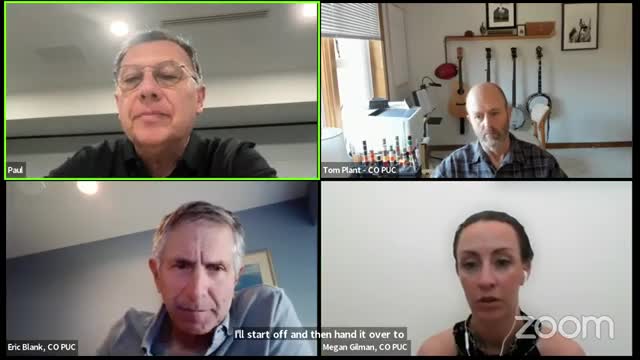
In a recent government meeting, significant discussions emerged regarding the Northern Cheyenne Nation's concerns over the impact of new energy projects on their ancestral lands. The dialogue was initiated by a letter from Serena K. Weatherill, president of the Northern Cheyenne Scribe, expressing apprehension about the Colorado Power Pathway Transmission Line and associated solar and wind developments in Southeast Colorado. These projects, she argued, could adversely affect the viewshed of the Sand Creek Massacre National Historic Site and other culturally significant areas.
The Northern Cheyenne have deep historical ties to these lands, including the site of the Sand Creek Massacre, where in 1864, a peaceful encampment of Cheyenne and Arapahoe people was violently attacked by federal troops, resulting in the deaths of at least 160 individuals, predominantly women and children. In response to Weatherill's concerns, the commission's legal counsel facilitated meetings between tribal elders, descendants of massacre survivors, and the commissioners.
During these meetings, tribal leaders, including William Walksalong, Otto Braden, and Conrad Fisher, shared poignant narratives of the massacre, recounting the traumatic events that have been passed down through generations. Their testimonies highlighted the need for the commission to consider the cultural and historical significance of the land in question.
The Northern Cheyenne elders requested private discussions with each commissioner to convey sensitive information about the massacre that has not been publicly disclosed. This engagement underscores the importance of recognizing and protecting culturally significant sites as energy development progresses in the region. The commission's willingness to meet with tribal representatives marks a crucial step in addressing these concerns and fostering a government-to-government dialogue.
The Northern Cheyenne have deep historical ties to these lands, including the site of the Sand Creek Massacre, where in 1864, a peaceful encampment of Cheyenne and Arapahoe people was violently attacked by federal troops, resulting in the deaths of at least 160 individuals, predominantly women and children. In response to Weatherill's concerns, the commission's legal counsel facilitated meetings between tribal elders, descendants of massacre survivors, and the commissioners.
During these meetings, tribal leaders, including William Walksalong, Otto Braden, and Conrad Fisher, shared poignant narratives of the massacre, recounting the traumatic events that have been passed down through generations. Their testimonies highlighted the need for the commission to consider the cultural and historical significance of the land in question.
The Northern Cheyenne elders requested private discussions with each commissioner to convey sensitive information about the massacre that has not been publicly disclosed. This engagement underscores the importance of recognizing and protecting culturally significant sites as energy development progresses in the region. The commission's willingness to meet with tribal representatives marks a crucial step in addressing these concerns and fostering a government-to-government dialogue.
View the Full Meeting & All Its Details
This article offers just a summary. Unlock complete video, transcripts, and insights as a Founder Member.
✓
Watch full, unedited meeting videos
✓
Search every word spoken in unlimited transcripts
✓
AI summaries & real-time alerts (all government levels)
✓
Permanent access to expanding government content
30-day money-back guarantee
