Council passes crucial drought ordinance to conserve water
June 11, 2024 | Broomfield City, Broomfield County, Colorado
This article was created by AI summarizing key points discussed. AI makes mistakes, so for full details and context, please refer to the video of the full meeting. Please report any errors so we can fix them. Report an error »
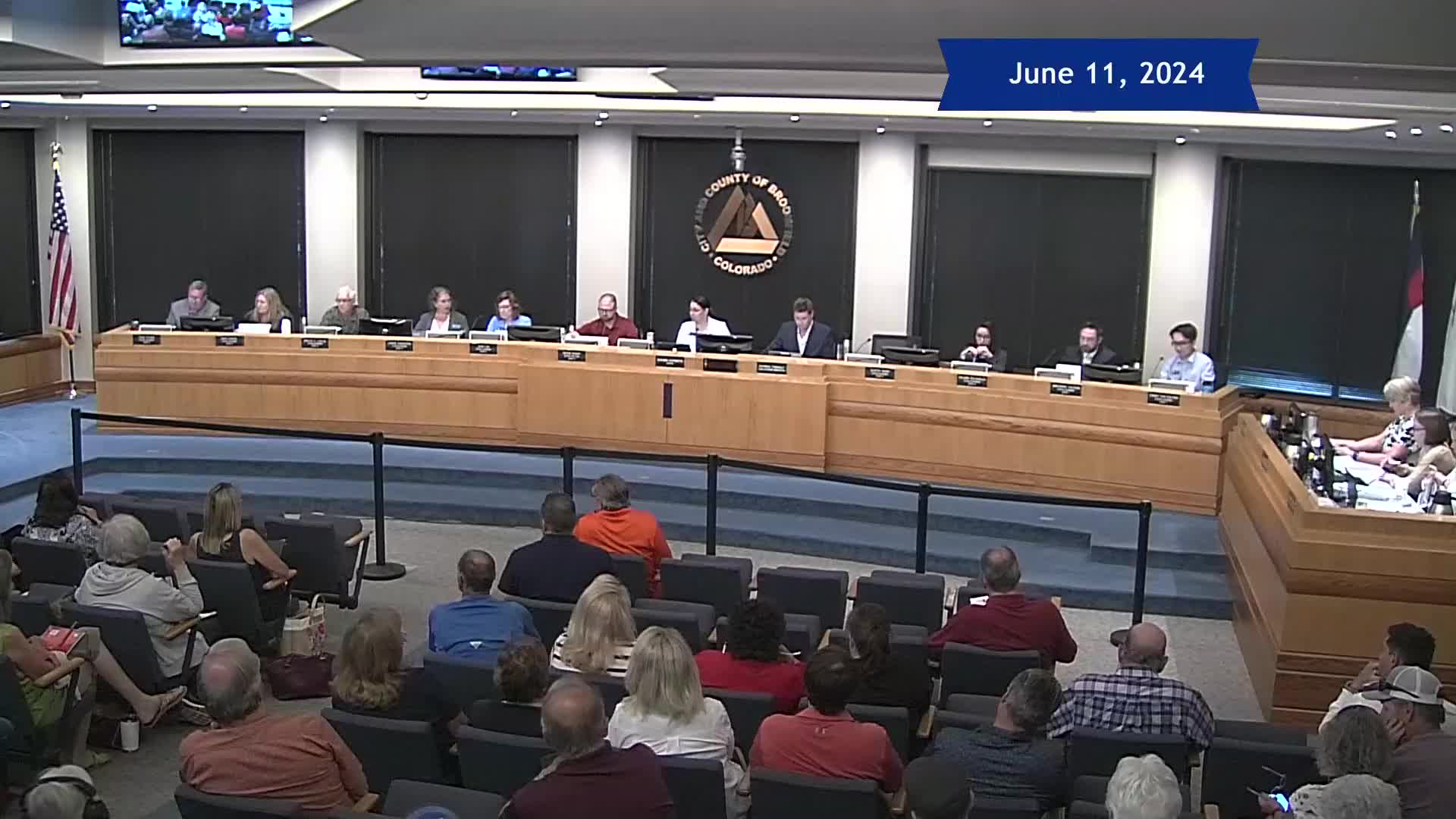
During a recent council meeting, members unanimously approved a significant ordinance aimed at addressing water use and drought restrictions, marking the third and final reading of proposed ordinance number 2219. The vote concluded with a unanimous 9-0 decision, reflecting a strong consensus among council members on the importance of the issue.
Director of Public Works, Ken Rutt, presented key amendments to the ordinance, which included a shift of administrative fines into the code, enhancing clarity on the processes involved. Notably, the ordinance introduces stricter measures during severe drought conditions, specifically prohibiting residents from washing personal vehicles and boats at home, while still permitting commercial car washes that utilize recycling operations.
Rutt emphasized the importance of public education regarding the new provisions, announcing plans to distribute informational postcards to single-family residents by the end of June. These materials will highlight irrigation best practices and the new requirements, including the cycle soak method for watering.
The council also discussed the implementation timeline, with the ordinance set to take effect on January 1, 2025. Rutt outlined a comprehensive communication strategy for 2024, which will include social media outreach, updates to the city’s website, and participation in community events to ensure residents are well-informed about the changes.
Public comments during the meeting raised concerns about the rationale behind administrative fees associated with the drought restrictions, with one resident questioning the necessity of additional charges for those already facing penalties on their water bills. Rutt clarified that these fees are intended to cover increased treatment costs associated with water quality issues that arise during drought conditions.
The meeting concluded with a commitment from the council to enhance educational efforts, including guidance on measuring sprinkler system precipitation, to further support residents in complying with the new water conservation measures.
Director of Public Works, Ken Rutt, presented key amendments to the ordinance, which included a shift of administrative fines into the code, enhancing clarity on the processes involved. Notably, the ordinance introduces stricter measures during severe drought conditions, specifically prohibiting residents from washing personal vehicles and boats at home, while still permitting commercial car washes that utilize recycling operations.
Rutt emphasized the importance of public education regarding the new provisions, announcing plans to distribute informational postcards to single-family residents by the end of June. These materials will highlight irrigation best practices and the new requirements, including the cycle soak method for watering.
The council also discussed the implementation timeline, with the ordinance set to take effect on January 1, 2025. Rutt outlined a comprehensive communication strategy for 2024, which will include social media outreach, updates to the city’s website, and participation in community events to ensure residents are well-informed about the changes.
Public comments during the meeting raised concerns about the rationale behind administrative fees associated with the drought restrictions, with one resident questioning the necessity of additional charges for those already facing penalties on their water bills. Rutt clarified that these fees are intended to cover increased treatment costs associated with water quality issues that arise during drought conditions.
The meeting concluded with a commitment from the council to enhance educational efforts, including guidance on measuring sprinkler system precipitation, to further support residents in complying with the new water conservation measures.
View the Full Meeting & All Its Details
This article offers just a summary. Unlock complete video, transcripts, and insights as a Founder Member.
✓
Watch full, unedited meeting videos
✓
Search every word spoken in unlimited transcripts
✓
AI summaries & real-time alerts (all government levels)
✓
Permanent access to expanding government content
30-day money-back guarantee
