Federal data gaps threaten US territories' future stability
June 14, 2024 | Natural Resources: House Committee, Standing Committees - House & Senate, Congressional Hearings Compilation, Legislative, Federal
This article was created by AI summarizing key points discussed. AI makes mistakes, so for full details and context, please refer to the video of the full meeting. Please report any errors so we can fix them. Report an error »
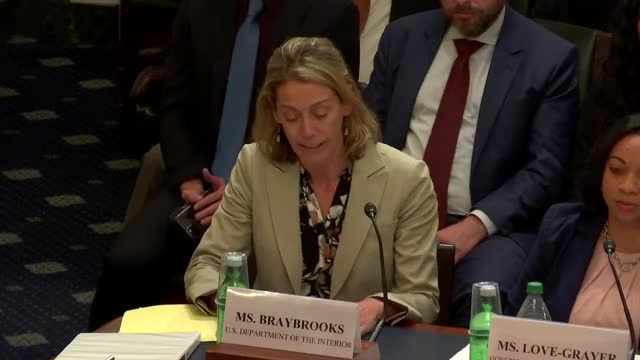
In a recent government meeting, officials highlighted the urgent need to address significant data gaps affecting U.S. territories, emphasizing that these deficiencies hinder effective policy-making and investment opportunities. The discussions centered around the importance of accurate federal statistics in meeting the needs of American communities, particularly those in territories that have historically been overlooked.
The Office of Insular Affairs (OIA) presented a series of recommendations aimed at improving data collection and analysis for U.S. territories. Key points included the necessity of identifying priority data needs specific to these regions, rather than applying models designed for states. Officials stressed that understanding the root causes of data exclusion—whether statutory, administrative, or agency-related—is crucial for developing effective solutions.
Moreover, the OIA underscored the importance of collaboration between statistical agencies and local organizations to ensure that the unique needs of territories are adequately represented. They argued that federal investment in territorial statistics should not be based solely on geographic size but should reflect the strategic, cultural, and ecological contributions of these areas to the nation.
The meeting also referenced a recent Government Accountability Office (GAO) report that criticized the federal government's fragmented approach to data collection in territories. Officials warned that without addressing these gaps, the risk of perpetuating inequities and marginalizing communities will increase, ultimately distorting policy decisions based on incomplete information.
As the meeting concluded, the OIA reiterated its commitment to addressing these challenges and called for a collaborative effort to ensure that the voices and needs of U.S. territories are not only heard but prioritized in federal data initiatives.
The Office of Insular Affairs (OIA) presented a series of recommendations aimed at improving data collection and analysis for U.S. territories. Key points included the necessity of identifying priority data needs specific to these regions, rather than applying models designed for states. Officials stressed that understanding the root causes of data exclusion—whether statutory, administrative, or agency-related—is crucial for developing effective solutions.
Moreover, the OIA underscored the importance of collaboration between statistical agencies and local organizations to ensure that the unique needs of territories are adequately represented. They argued that federal investment in territorial statistics should not be based solely on geographic size but should reflect the strategic, cultural, and ecological contributions of these areas to the nation.
The meeting also referenced a recent Government Accountability Office (GAO) report that criticized the federal government's fragmented approach to data collection in territories. Officials warned that without addressing these gaps, the risk of perpetuating inequities and marginalizing communities will increase, ultimately distorting policy decisions based on incomplete information.
As the meeting concluded, the OIA reiterated its commitment to addressing these challenges and called for a collaborative effort to ensure that the voices and needs of U.S. territories are not only heard but prioritized in federal data initiatives.
View the Full Meeting & All Its Details
This article offers just a summary. Unlock complete video, transcripts, and insights as a Founder Member.
✓
Watch full, unedited meeting videos
✓
Search every word spoken in unlimited transcripts
✓
AI summaries & real-time alerts (all government levels)
✓
Permanent access to expanding government content
30-day money-back guarantee
