Syria crisis deepens as international engagement falters
This article was created by AI summarizing key points discussed. AI makes mistakes, so for full details and context, please refer to the video of the full meeting. Please report any errors so we can fix them. Report an error »
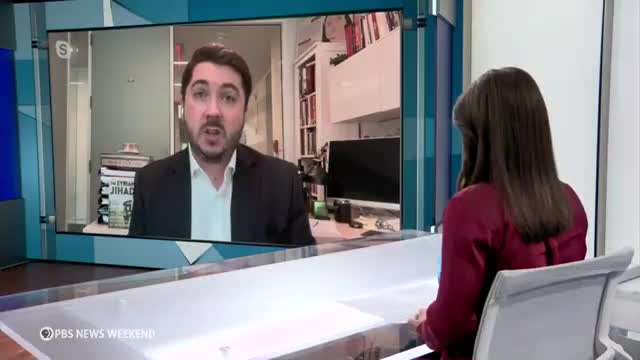
In a recent government meeting, officials discussed the deteriorating situation in Syria, highlighting the consequences of regional engagement with the Assad regime. The meeting underscored that the U.S. and Europe have largely disengaged from the Syrian crisis, opting for a policy of containment. This has allowed regional powers to reengage with Syria, leading to a rapid decline in the humanitarian situation, with increased instability, drug trafficking, and terrorism.
The humanitarian crisis in Syria is at an unprecedented level, with over half of the population displaced and a staggering 94% of the United Nations' assessed needs unmet due to dwindling international donations. The rate of Syrian refugees fleeing to Europe has surged by over 300% in the past year, raising alarms about potential spillover effects, including the resurgence of extremist groups like ISIS.
Turkey's recent overtures towards the Assad regime were also a focal point of the discussion. Officials noted that Turkey, hosting the largest population of Syrian refugees and maintaining a military presence in northern Syria, is leveraging its position for its own interests. However, the Assad regime has not reciprocated these overtures, complicating the situation further.
On the legislative front, the meeting addressed the status of U.S. sanctions against the Assad regime, particularly the Caesar bill and the Assad Regime Anti-Normalization Act. While the House passed the latter, it has stalled in the Senate due to intervention from the Biden administration, which is reluctant to deepen U.S. involvement in the long-standing crisis. The administration's hesitance reflects a broader desire to avoid entanglement in Middle Eastern conflicts, especially in light of recent developments in Gaza.
Overall, the meeting painted a grim picture of the Syrian crisis, emphasizing the urgent need for renewed international attention and action to address the escalating humanitarian needs and geopolitical complexities.
The humanitarian crisis in Syria is at an unprecedented level, with over half of the population displaced and a staggering 94% of the United Nations' assessed needs unmet due to dwindling international donations. The rate of Syrian refugees fleeing to Europe has surged by over 300% in the past year, raising alarms about potential spillover effects, including the resurgence of extremist groups like ISIS.
Turkey's recent overtures towards the Assad regime were also a focal point of the discussion. Officials noted that Turkey, hosting the largest population of Syrian refugees and maintaining a military presence in northern Syria, is leveraging its position for its own interests. However, the Assad regime has not reciprocated these overtures, complicating the situation further.
On the legislative front, the meeting addressed the status of U.S. sanctions against the Assad regime, particularly the Caesar bill and the Assad Regime Anti-Normalization Act. While the House passed the latter, it has stalled in the Senate due to intervention from the Biden administration, which is reluctant to deepen U.S. involvement in the long-standing crisis. The administration's hesitance reflects a broader desire to avoid entanglement in Middle Eastern conflicts, especially in light of recent developments in Gaza.
Overall, the meeting painted a grim picture of the Syrian crisis, emphasizing the urgent need for renewed international attention and action to address the escalating humanitarian needs and geopolitical complexities.
View the Full Meeting & All Its Details
This article offers just a summary. Unlock complete video, transcripts, and insights as a Founder Member.
✓
Watch full, unedited meeting videos
✓
Search every word spoken in unlimited transcripts
✓
AI summaries & real-time alerts (all government levels)
✓
Permanent access to expanding government content
30-day money-back guarantee
