Transit funding crisis demands urgent community solutions
June 08, 2024 | Fargo , Cass County, North Dakota
This article was created by AI summarizing key points discussed. AI makes mistakes, so for full details and context, please refer to the video of the full meeting. Please report any errors so we can fix them. Report an error »
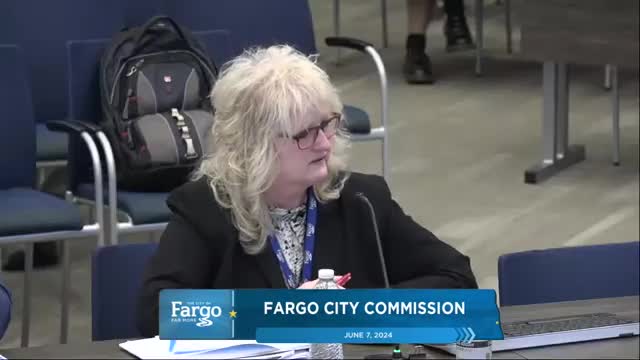
During a recent government meeting, officials discussed the financial challenges facing the city's transit system, highlighting a significant gap between rising expenses and stagnant revenues. Susan, a key speaker, presented a detailed analysis of the transit financials, noting that while revenues have remained flat over the past decade, operational costs have surged, particularly in areas such as energy and bus driver services.
The transition of transit funding from the general fund to a standalone enterprise fund in 2020 coincided with the onset of the COVID-19 pandemic, which initially masked some financial issues due to an influx of federal COVID relief funds. However, as these funds have been depleted, the city is now facing a projected funding gap of $5 million for 2024, raising concerns about the sustainability of current transit services.
Officials acknowledged the need for immediate and long-term solutions to address the funding shortfall. Proposed short-term measures include leveraging increased interest revenue to manage the budget for the upcoming year. However, long-term strategies are still under consideration, with discussions around potential fare increases, service cuts, or the introduction of new routes to increase ridership and revenue.
The conversation also touched on the broader implications of transit funding, emphasizing its connection to workforce development, education, and health issues. Officials expressed the need for more state aid to support transit operations, drawing comparisons to Minnesota's more generous funding model.
Concerns were raised about the potential impact of fare increases on ridership, particularly among low-income individuals who rely on public transportation. Some officials advocated for exploring the feasibility of free transit routes as a means to boost ridership and improve access to employment opportunities.
The meeting concluded with a call for further analysis of the transit funding model and a commitment to engage with state legislators to seek additional support for the city's transit needs.
The transition of transit funding from the general fund to a standalone enterprise fund in 2020 coincided with the onset of the COVID-19 pandemic, which initially masked some financial issues due to an influx of federal COVID relief funds. However, as these funds have been depleted, the city is now facing a projected funding gap of $5 million for 2024, raising concerns about the sustainability of current transit services.
Officials acknowledged the need for immediate and long-term solutions to address the funding shortfall. Proposed short-term measures include leveraging increased interest revenue to manage the budget for the upcoming year. However, long-term strategies are still under consideration, with discussions around potential fare increases, service cuts, or the introduction of new routes to increase ridership and revenue.
The conversation also touched on the broader implications of transit funding, emphasizing its connection to workforce development, education, and health issues. Officials expressed the need for more state aid to support transit operations, drawing comparisons to Minnesota's more generous funding model.
Concerns were raised about the potential impact of fare increases on ridership, particularly among low-income individuals who rely on public transportation. Some officials advocated for exploring the feasibility of free transit routes as a means to boost ridership and improve access to employment opportunities.
The meeting concluded with a call for further analysis of the transit funding model and a commitment to engage with state legislators to seek additional support for the city's transit needs.
View the Full Meeting & All Its Details
This article offers just a summary. Unlock complete video, transcripts, and insights as a Founder Member.
✓
Watch full, unedited meeting videos
✓
Search every word spoken in unlimited transcripts
✓
AI summaries & real-time alerts (all government levels)
✓
Permanent access to expanding government content
30-day money-back guarantee
