Drownings surge as migrants face deadly border crossing risks
This article was created by AI summarizing key points discussed. AI makes mistakes, so for full details and context, please refer to the video of the full meeting. Please report any errors so we can fix them. Report an error »
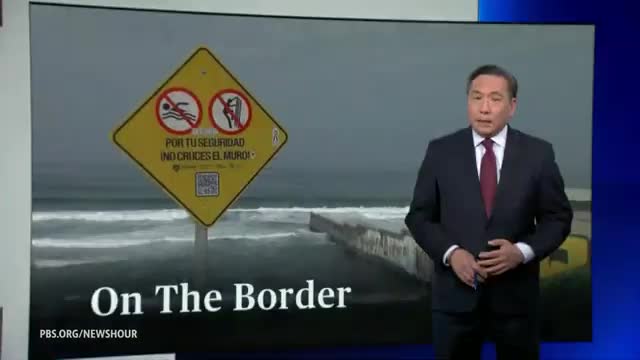
Last year marked a tragic milestone for migrants attempting to cross the southern U.S. border, with a significant increase in drownings reported along the Pacific coast. Experts attribute this rise to stricter enforcement measures that compel migrants to take perilous routes, including swimming from Tijuana, Mexico, to San Diego.
The Tijuana coastline, often bustling with beachgoers, conceals a dangerous reality. The border wall extends over 200 feet into the ocean, creating powerful rip currents that pose a severe threat to those attempting to navigate the waters. Lifeguard captain Luis Hernandez warns that the currents are relentless, making it nearly impossible for exhausted swimmers to find safety. Lifeguards in Tijuana have recorded a staggering increase in drownings, with incidents rising from just five rescues in 2020 to 59 in 2022, and 41 in the following year.
Migrants often resort to two risky methods to cross the border: swimming around the wall or clinging to its metal beams, which are lined with sharp shellfish. Many of these individuals are not strong swimmers and often enter the water fully clothed, carrying heavy backpacks. Jason Lindquist, head lifeguard in Imperial Beach, emphasizes the dangers posed by the currents and the wall itself, noting that the situation has worsened since the construction of a taller border wall in 2019.
A study from UC San Diego corroborates the lifeguards' observations, revealing that drownings increased from one in the four years prior to the new wall to 33 in the subsequent four years. While the study does not directly link the drownings to the wall's construction, it highlights the urgent need for further research into the safety of migrants crossing the border.
As lifeguards continue to respond to distress calls, they face the emotional toll of witnessing the dangers migrants endure. The ongoing crisis underscores the need for comprehensive solutions to address the risks associated with migration, as lifeguards anticipate that drownings will persist in the absence of significant policy changes.
The Tijuana coastline, often bustling with beachgoers, conceals a dangerous reality. The border wall extends over 200 feet into the ocean, creating powerful rip currents that pose a severe threat to those attempting to navigate the waters. Lifeguard captain Luis Hernandez warns that the currents are relentless, making it nearly impossible for exhausted swimmers to find safety. Lifeguards in Tijuana have recorded a staggering increase in drownings, with incidents rising from just five rescues in 2020 to 59 in 2022, and 41 in the following year.
Migrants often resort to two risky methods to cross the border: swimming around the wall or clinging to its metal beams, which are lined with sharp shellfish. Many of these individuals are not strong swimmers and often enter the water fully clothed, carrying heavy backpacks. Jason Lindquist, head lifeguard in Imperial Beach, emphasizes the dangers posed by the currents and the wall itself, noting that the situation has worsened since the construction of a taller border wall in 2019.
A study from UC San Diego corroborates the lifeguards' observations, revealing that drownings increased from one in the four years prior to the new wall to 33 in the subsequent four years. While the study does not directly link the drownings to the wall's construction, it highlights the urgent need for further research into the safety of migrants crossing the border.
As lifeguards continue to respond to distress calls, they face the emotional toll of witnessing the dangers migrants endure. The ongoing crisis underscores the need for comprehensive solutions to address the risks associated with migration, as lifeguards anticipate that drownings will persist in the absence of significant policy changes.
Don't Miss a Word: See the Full Meeting!
Go beyond summaries. Unlock every video, transcript, and key insight with a Founder Membership.
✓
Get instant access to full meeting videos
✓
Search and clip any phrase from complete transcripts
✓
Receive AI-powered summaries & custom alerts
✓
Enjoy lifetime, unrestricted access to government data
30-day money-back guarantee
