Emergency Services Face Staffing Crisis Amid Response Time Challenges
August 15, 2024 | Multnomah County, Oregon
This article was created by AI summarizing key points discussed. AI makes mistakes, so for full details and context, please refer to the video of the full meeting. Please report any errors so we can fix them. Report an error »
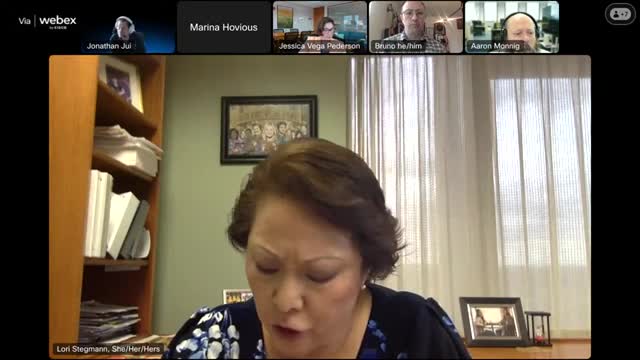
During a recent government meeting, officials discussed the staffing and operational challenges facing the ambulance service in Multnomah County, particularly regarding the integration of junior and senior medics within the system. Commissioner Joo raised concerns about how the experience levels of paramedics are monitored when pairing them with less experienced medics. Commissioner Segment clarified that the American Medical Response (AMR) employs a structure that includes lead medics, who are senior and experienced, and junior medics, who are still developing their skills.
The discussion highlighted the essential qualities required for lead medics, including field experience, leadership skills, and the ability to mentor junior partners. These attributes are crucial for ensuring effective patient care and operational efficiency within the ambulance service.
The conversation also touched on the hybrid staffing model, which combines Emergency Medical Technicians (EMTs) and paramedics. Commissioner Joo noted that there had been misconceptions about Multnomah County's willingness to adopt this model. He emphasized that the county's primary goals remain safety and professionalism, and acknowledged challenges in staffing, particularly a shortage of EMTs, which has hindered the implementation of the hybrid model.
Commissioner Myron expressed frustration over previous claims that more EMTs were not needed, highlighting the importance of ensuring adequate recruitment and training to meet community needs. Erin, another official, explained that while a proposal for a staffing change had been previously denied, ongoing evaluations and community needs have prompted a reevaluation of the staffing model.
The meeting also addressed response times, particularly in East County, where challenges persist due to limited hospital access and longer call times. Officials acknowledged that improving ambulance distribution and response capabilities in these areas is critical for meeting the county's service goals.
Overall, the discussions underscored the complexities of managing ambulance services in Multnomah County, with a focus on balancing staffing needs, operational efficiency, and community safety.
The discussion highlighted the essential qualities required for lead medics, including field experience, leadership skills, and the ability to mentor junior partners. These attributes are crucial for ensuring effective patient care and operational efficiency within the ambulance service.
The conversation also touched on the hybrid staffing model, which combines Emergency Medical Technicians (EMTs) and paramedics. Commissioner Joo noted that there had been misconceptions about Multnomah County's willingness to adopt this model. He emphasized that the county's primary goals remain safety and professionalism, and acknowledged challenges in staffing, particularly a shortage of EMTs, which has hindered the implementation of the hybrid model.
Commissioner Myron expressed frustration over previous claims that more EMTs were not needed, highlighting the importance of ensuring adequate recruitment and training to meet community needs. Erin, another official, explained that while a proposal for a staffing change had been previously denied, ongoing evaluations and community needs have prompted a reevaluation of the staffing model.
The meeting also addressed response times, particularly in East County, where challenges persist due to limited hospital access and longer call times. Officials acknowledged that improving ambulance distribution and response capabilities in these areas is critical for meeting the county's service goals.
Overall, the discussions underscored the complexities of managing ambulance services in Multnomah County, with a focus on balancing staffing needs, operational efficiency, and community safety.
Don't Miss a Word: See the Full Meeting!
Go beyond summaries. Unlock every video, transcript, and key insight with a Founder Membership.
✓
Get instant access to full meeting videos
✓
Search and clip any phrase from complete transcripts
✓
Receive AI-powered summaries & custom alerts
✓
Enjoy lifetime, unrestricted access to government data
30-day money-back guarantee
