Transit funding cuts threaten vulnerable communities and jobs
June 14, 2024 | Transportation and Infrastructure: House Committee, Standing Committees - House & Senate, Congressional Hearings Compilation, Legislative, Federal
This article was created by AI summarizing key points discussed. AI makes mistakes, so for full details and context, please refer to the video of the full meeting. Please report any errors so we can fix them. Report an error »
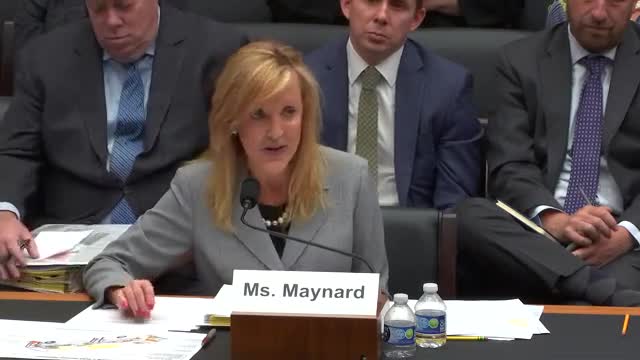
One key point raised was the historical context of federal funding for transit, which has been deprioritized since the Reagan administration. This shift has disproportionately affected Latino, Black, and Brown communities, which rely heavily on public transit. Officials emphasized that cuts to transit funding would exacerbate existing inequalities, particularly for those who depend on these services for their daily commutes.
The discussion also centered on the importance of maintaining labor protections, specifically the 13(c) provisions that safeguard transit workers' rights. These protections ensure that federal investments do not undermine existing labor standards and that workers have opportunities for training and advancement. The meeting underscored that the elimination of such protections could lead to job losses and reduced service quality.
As the conversation turned to technological advancements, particularly autonomous vehicles, concerns were raised about their viability as a substitute for human operators. Experts cautioned that current automated systems lack the reliability and safety needed to replace professional drivers. The consensus was that while technology can enhance transit operations, it should not come at the expense of jobs or safety.
Overall, the meeting called for a balanced approach that prioritizes both technological innovation and the protection of workers' rights, ensuring that public transit remains a viable and equitable option for all communities.
View the Full Meeting & All Its Details
This article offers just a summary. Unlock complete video, transcripts, and insights as a Founder Member.
30-day money-back guarantee
